
 Worksheets
Ionic Bonds
Total questions: 20
Worksheet time: 23mins

The positive ions tend to _____________ electrons.
lose
gain
The negative ions tend to _____________ electrons.
lose
gain
Why do all bonds form?
so the number of protons equals the number of electrons
so an atom can become unstable
to fill the outermost energy level
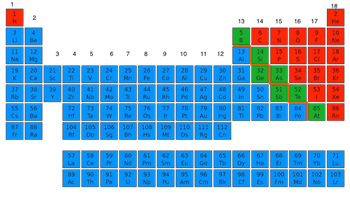
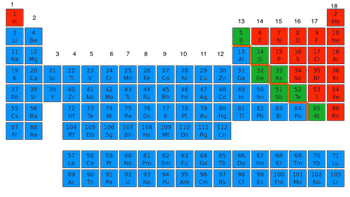

What type of elements form cations?
metals
nonmetals
metalloids?
Anions
Gain electrons, has an overall positive charge
Lose electrons, has an overall positive charge
Lose electrons, has an overall negative charge
Gain electrons, has an overall negative charge
Cations
Gain electrons, has an overall positive charge
Lose electrons, has an overall positive charge
Lose electrons, has an overall negative charge
Gain electrons, has an overall negative charge
How does calcium become an calcium ion?
it loses 2 electrons
it gains 2 electrons
How does oxygen become an oxide ion?
it loses 2 electrons
it gains 2 electrons
Will a chlorine atom gain or lose electrons?
gain
lose
Will a sodium atom gain or lose electrons?
gain
lose
Why are sodium and chlorine attracted to each other?
they have opposite charges
they both have negative charges
they both have positive charges
It is the force of attraction that holds the atoms together
(a)
It is the rule which states how elements become stable.
(a)
It is the process of joining atoms together to form a compound.
(a)

