
 Worksheets
Sound of Silence: Unit 1
Total questions: 21
Worksheet time: 43mins

When does SOUND become MUSIC?
When sound is organized by a composer.
When an audience member hears a sound.
When a performer plays noise.
When someone sneezes.
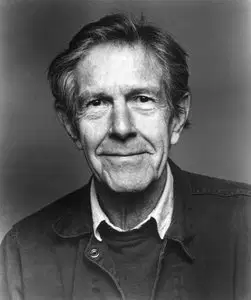
Who is John Cage?
Someone who composed a piece about silence.
Someone who wanted to teach us that music can be found anywhere.
Someone who said "everything we do is music"
A composer - someone who writes music.
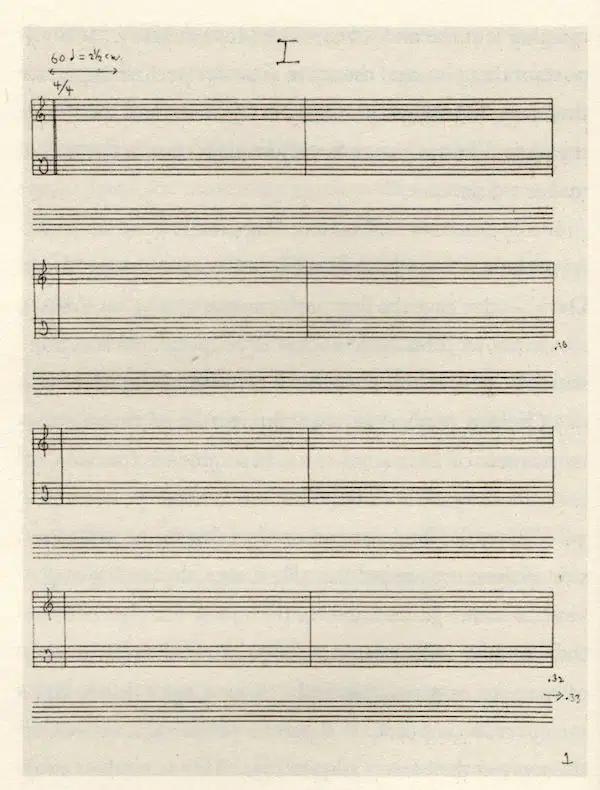
What piece of music is John Cage most known for?
Happy Birthday
The Star Spangled Banner
4’33
The Carnival of the Animals

What is 4’33?
A three-movement composition for any instrument or combination of instruments.
A two-movement song about Birthday Parties.
A five-movement composition about Summer Vacation.
A sixteen-movement composition about animals at a Zoo.

What does 4’33 teach us?
Everything we do is music.
Music can be found everywhere.
Music can be found in silence.
Music doesn't exist.

What does 4'33 stand for?
4 Minutes & 33 Seconds
4 Pepperoni & 33 Cheese
4 Seconds & 33 Minutes
4 Breaths In & 4 Breaths Out
How many MOVEMENTS (like chapters in a book) are in "4'33"?
3
2
1
0

What is a COMPOSITION?
A piece of music.
A performer of a piece of music.
An audience member.
A composer of a piece of music.

What is an example of a COMPOSITION. Check all that apply.
4'33
Happy Birthday
The Star Spangled Banner
Burt's Bees Music from Nature
What does a COMPOSER do?
Writes music for others to perform.
Listens to others perform music.
Directs and rehearses a musical group for a musical performance.
Performs music.
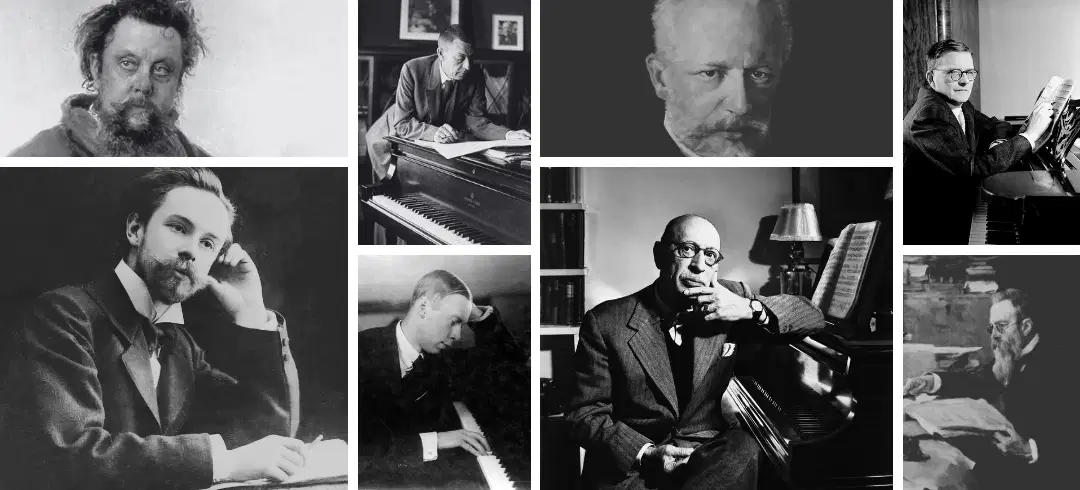
An example of a music COMPOSER is:
John Cage
Will Smith
Julia Child
Aaron Rodgers

Who decides when sounds become music?
Performer
Conductor
Audience Member
Composer

What was the intention (purpose) of 4’33?
Music can be found in silence.
Everything we do can be music.
Music cannot be found in silence.
Music can't be found anywhere.
What is a MOVEMENT of music?
One section of a piece of music (like a chapter in a book).
Large chunks of music where people dance interpretively.
A piece of music that moves through time and space.
Ms. Bieber dancing to Jazzercise videos.
What does a PERFORMER do?
Performs music.
Listens to others perform music.
Directs and rehearses a musical group for a musical performance.
Composes music for others to perform.
An example of a performer is:
Students singing at a concert.
John Cage writing 4’33.
Ms. Bieber directing a choir at a concert.
Igor Stravinsky watching a ballet company interpret movement to the Rite of Spring.
What does an AUDIENCE member do?
Listens/Watches to others perform music.
Performs music.
Directs and rehearses a musical group for a musical performance.
Composes music for others to perform.
An example of an audience is:
Parents listening to students sing at a concert.
Choir members singing under the direction of Ms. Bieber.
Ms. Bieber directing a choir concert.
John Cage writing 4’33.

Give an example of a time YOU were an audience member.
Where were you? What were you watching / listening?

Give an example of a time YOU were a performer
Where were you? What were you performing?
Please COMPOSE your own arrangement of 4’33 by John Cage while your classmates finish their test . . . What sounds do you hear to use for your composition?

