
 Worksheets
G.E-3 QUIZ-2
Total questions: 50
Worksheet time: 17mins
Supply and demand determines how much an item costs.
Traditional
Communist
Free Enterprise System
Socialist
Buyers and sellers make the decisions.
Traditional
Communist
Free Enterprise System
Socialist
Types of shelter, language and entertainment are all examples of what?
government
geography
culture traits
universal studios
Who controls everything in a COMMAND (communist) economy?
the people
the world
the government
the poor
Who is an entrepreneur in the list below?
farmer
bulldozer
business owner
employee
Which of the following is not a culture trait?
art
language
types of shelter
height
The number of shares traded in a given time period
Volume
After-hours trading
Net Change
open
An institution where stocks are bought and sold
After-hours trading
Stock Market
Trades
Stock Trade
The last price at which a stock was traded on a regular trading day
Close
High
Open
Low
The Welfare State has 3 central components:
Private services, Public services and Financial Services
Financial services, Social services and Non-cash benefits
Educational services, Housing services, Financial services
Information services, Financial services, Educational services
What are the 3 fundamental values of social democracy?
Empathy, Justice, Equality
Equity, Security, Opportunity
Equality, Freedom, Responsibility
Freedom, Justice, Solidarity
Neoliberalism sees competition as the defining characteristic of human relations
True
False
________ are asymmetric information problems that act as a barrier to efficient allocation of capital.
Asset prices
Credit imbalances
Financial frictions
Financial derivatives
It is the optimum combination of whole of life costs and quality to meet the customer’s requirements.
Fund Value
Quality
Value for Money
Quality


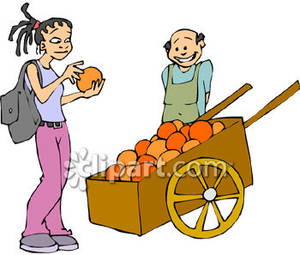

Using income for purchases, expenses, and debt
spending
savings
goods
services
things purchased by consumers
goods
consumer
producer
supply
A person who provides a good or service
producer
need
want
consumer
A person who purchases a good or service
consumer
taxes
supply
good
Basic things humans need to survive
need
want
import
demand
how much of a good or service consumers want
demand
spending
producer
scarcity
The amount available
supply
demand
import
natural resource
money paid to the government through income, sales, and purchase of property
taxes
goods
scarcity
human resource
services provided by people
human resource
import
scarcity
consumer
goods made to use in the production of other goods
capital resouces
demand
taxes
export
not having enough
scarcity
supply
human resouce
taxes

Which of the following means what you have to give up in order to make or get something else?
producer
market price
consumer
opportunity cost
What is the definition of a consumer?
anything that can be produced or grown
something that someone does for someone else in exchange for money
anyone who buys a good or service
someone who creates or manufacture a good or service
What is the definition of a producer?
anything that can be produced or grown
something that someone does for someone else in exchange for money
anyone who buys a good or service
someone who creates or manufacture a good or service

