
 Worksheets
Circulatory System
Total questions: 35
Worksheet time: 26mins
What does your heart do?
pumps blood through your body
protects your body
helps your exercize
Your heart is about the size of your __________.
mouth
fist
show
Blood carries ____________ to the heart.
vitamins
germs
oxygen
What does circulate mean?
pump blood
beat quickly
go around and around
Which describes all the parts of the circulatory system?
heart, lungs, stomach, muscles
heart, blood, arteries, and veins
bones, skin, hair
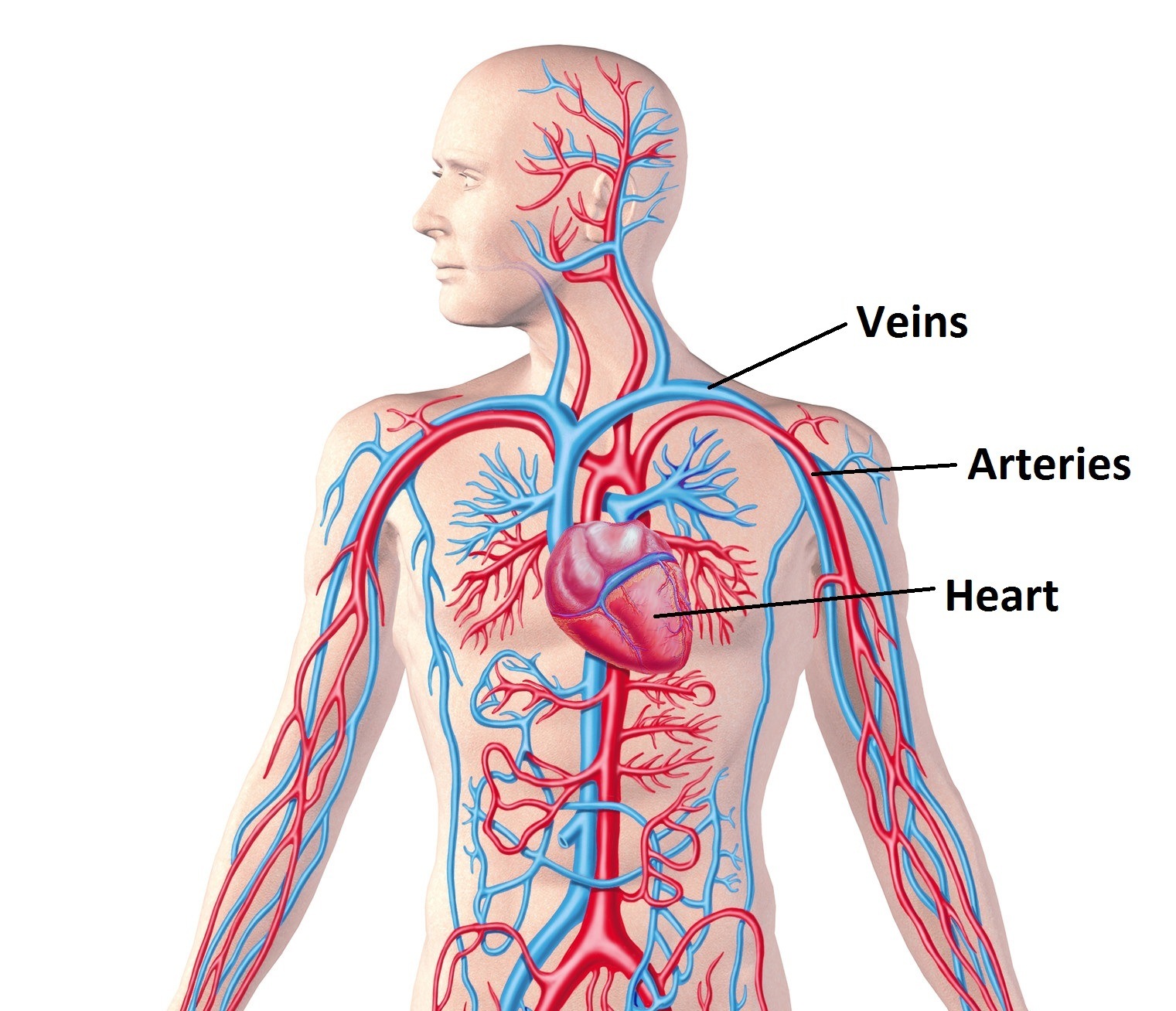
Which system allows blood to circulate throughout the body to transport oxygen and nutrients to all the cells and tissues?
Nervous
Respiratory
Circulatory
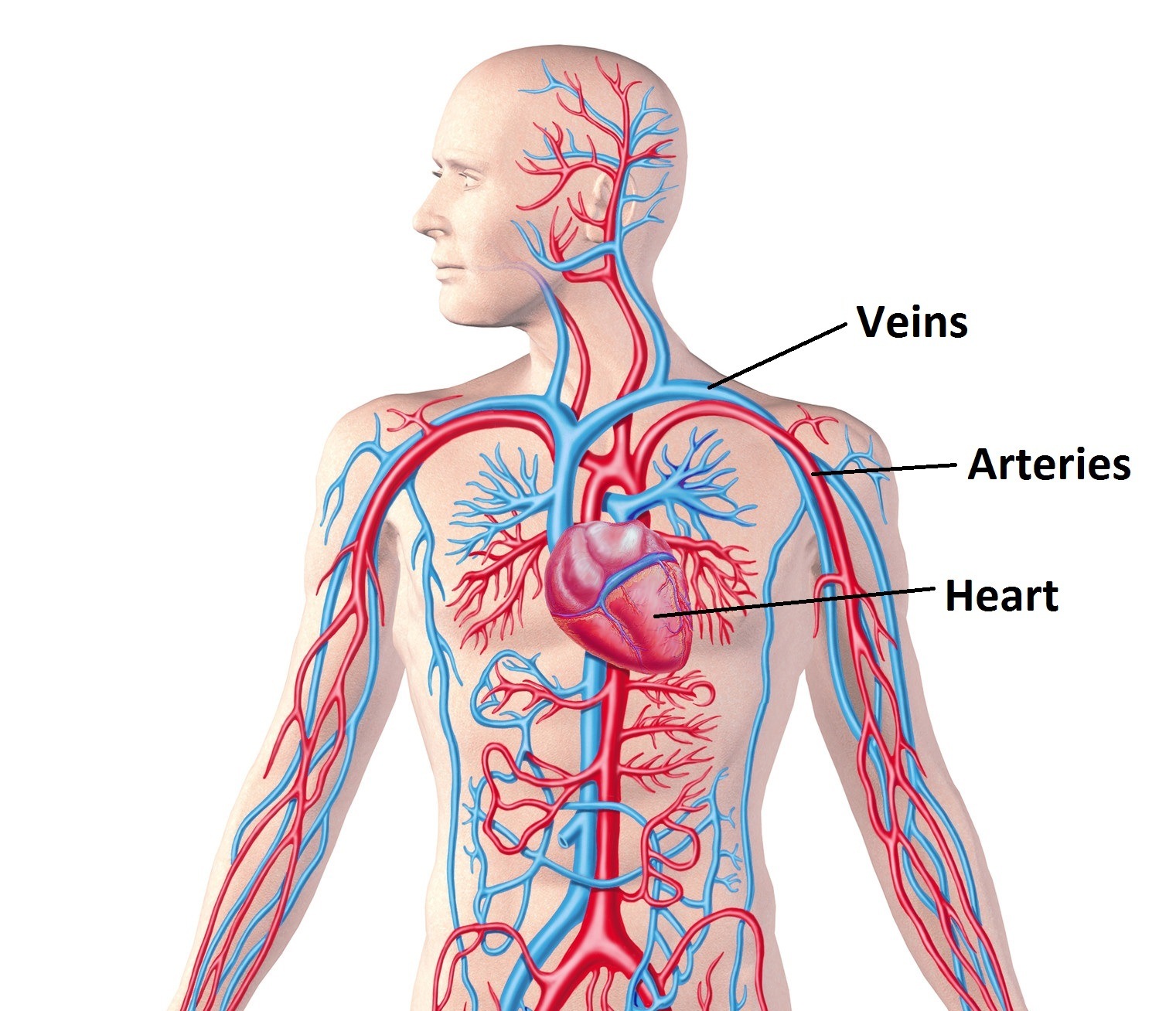
The circulatory system works with the ___________ system to provide our body with oxygen.
respiratory
digestive
muscular

Choose the 3 TRUE statements about the circulatory system
The circulatory system and the respiratory system work together to deliver oxygen to all of the cells and tissues in the body.
The circulatory system and the respiratory system work together to remove CO2 and other waste products from cells and tissues in the body.
The circulatory system, respiratory system, and excretory system all work together to remove waste products from the body.
The circulatory system is a special system that does not work with other systems of the body.
This organ pumps blood through your body.
heart
artery
vein
capillaries

What do our arteries do?
They transport blood away from our heart.
They transport blood to our heart.
They transport information away from our heart.
They transport information to our heart.
What do our veins do?
They transport blood away from our heart.
They transport blood to our heart.
They transport information away from our heart.
They transport information to our heart.
What type of blood is distributed by the veins.
Deoxygenated Blood
Oxygenated Blood
This is the type of blood that carries nutrients to be distributed to all parts of our body.
Oxygenated Blood
Deoxygenated Blood
This blood passes through the right atrium to the right ventricle.
Oxygenated Blood
Deoxygenated Blood
This blood should be delivered to the lungs for oxygenation.
Oxygenated Blood
Deoxygenated Blood

True or false... The heart is not a hollow muscle that pumps blood around the body.
True
False
In the walls of the heart, there are two thin layers that form a sandwich around a thick layer of muscle called the
epithelial tissue.
pericardium.
connective tissue.
myocardium.
In the walls of the heart, there are two thin layers around a thick layer of muscle called the
epithelial tissue.
pericardium.
connective tissue.
myocardium.

In the walls of the heart, there layers of tissue that is found in the outer layer and protects the heart it is called the
epicardium
cardiac muscle
endocardium
myocardium.
In the walls of the heart, what do you call the layers of tissue that helps the heart pump blood?
epicardium
cardiac muscle
endocardium
myocardium.
In the walls of the heart, what do you call the layers of tissue that helps blood to flow according to its path?
epicardium
cardiac muscle
endocardium
myocardium.
RESPI or CICRU. Read analyze the following statement/situation and determine whether it describes the Respiratory System or Circulatory System.
Question: It delivers oxygen to our body.
RESPI
CIRCU
RESPI or CICRU. Read analyze the following statement/situation and determine whether it describes the Respiratory System or Circulatory System.
Question: It delivers oxygen to our cells such as blood.
RESPI
CIRCU
RESPI or CICRU. Read analyze the following statement/situation and determine whether it describes the Respiratory System or Circulatory System.
Question: This system circulates oxygen and removes carbon dioxide.
RESPI
CIRCU
RESPI or CICRU. Read analyze the following statement/situation and determine whether it describes the Respiratory System or Circulatory System.
Question: Takes in oxygen and takes out carbon dioxide.
RESPI
CIRCU
RESPI or CICRU. Read analyze the following statement/situation and determine whether it describes the Respiratory System or Circulatory System.
Question: If filters the air we breathe.
RESPI
CIRCU

