
 Worksheets
Characterization Test
Total questions: 58
Worksheet time: 1hrs 14mins
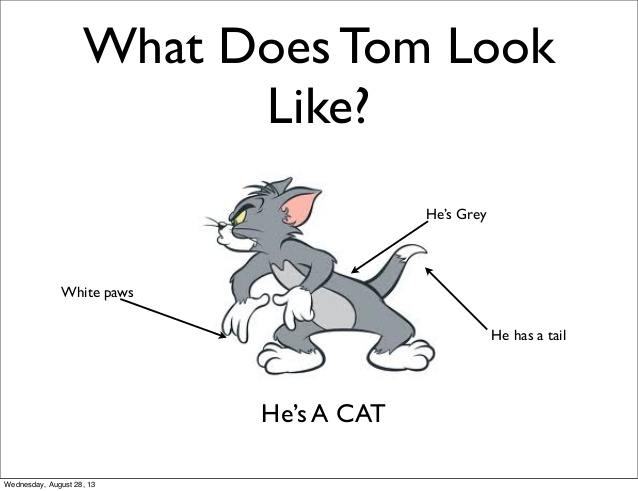

“We did it! We did it! We did it!” Mei boasted, slapping her hand against the table, scattering toast crumbs, knocking aside teaspoons and almost smearing the butter in her zeal.“Whoa!” her brother exclaimed, startled. “Well, congratulations!”Mei stood up and triumphantly strutted around the kitchen, transforming her walk around the breakfast table into a victory parade.Her brother laughed, surprised and amused. “Who are you, and what have you done with my sister, Mei?” he teased.
Based on the passage, what can you infer about the main character Mei?
What evidence can you use to support the fact that Carson is “respectful”?
A person, creature/thing, or animal who takes part in a story.
antagonist
character
protagonist
characterization
The main character who experiences the conflict in the story is...
protagonist
antagonist
minor character
villain
The character, thing, or event which is opposing or causing conflict for the main character is...
protagonist
antagonist
minor character
villain
Characterization is the process of revealing the personality and traits of a character.
True
False
What acronym did we learn to remember the indirect ways an author can tell us about a character?
FACE
STEAL
READ
LONG
Mr. Timpelton walked through the airport in his crisp army uniform and duffel bag. After being deployed for a year in Iraq, he was anxious to see is family. He wiped his hands nervously on his pants, breathed a deep sigh, and begin to head to the airport welcoming area.
How is the character's traits revealed?
actions
thoughts
speech
interactions with other characters
Marcy sat in class, drumming her fingers on her desk. Thinking back to that morning, she felt remorse over the way she had talked to her mom.
How is the character's traits revealed?
actions
thoughts
speech
interactions with other characters
Jake is Cassie's older brother. One day they are walking home from school when a cold front rolls in and the temperature drops 20 degrees. Jake is dressed more appropriately for the weather than Cassie. He takes off his hooded sweatshirt and offers it to her. She gratefully accepts. Jake is now colder, but he is happier.
What character trait does Jake show?
considerate
selfish
cautious
respectful
Craig is a football player training over the summer for next season. The coach demands that all players come in at 6:00 AM and lift weights until 8:00 AM, when practice begins. Craig gets there at 5:00 AM to begin his training.
What character trait does Craig exhibit?
eager
selfish
encouraging
dedicated
Kelvin found a wallet on the ground. He opened up the wallet and saw an old woman's ID card. Kelvin took the ID out of the wallet, walked to the woman's house, and returned the wallet to her.
Which character trait does Kevin demonstrate?
persistent
upbeat
honorable
rich
After Mark's mechanical pencil ran out of lead, he asked Pete, who sat next to him, if he could borrow a pencil. Pete yelled, "No, Mark. If you didn't come prepared, why is that my fault? Bring TWO pencils to class! You can't have one of mine or you'll never learn your lesson."
What character trait does Pete exhibit?
insightful
helpful
angry
harsh
Courtney asked her neighbor if she could borrow an egg to complete a recipe that she had already started. The next day Courtney returned an egg to her neighbor along with a thank you card expressing her sincere gratitude.
What character trait does Courtney demonstrate?
gracious
flippant
mischievous
vengeful
imaginative
When Angela asked her mother if she could go to the party, her mother said that she could not. So Angela asked her father, who said that she could. She then played her parents off of one another until she got her way. Angela enjoyed herself at the party.
What character trait does Angela demonstrate?
glamorous
quarrelsome
bashful
manipulative
honest
Jason is an excellent accountant who works full-time for his best friend's company. A larger accounting firm contacts Jason and offers to pay him twice if he will work for them. Jason thanks the company for their offer but declines. He doesn't even tell his friend that he received the offer.
What character trait does Jason demonstrate?
gullible
loyal
malicious
industrious
manipulative
After coming home late from a party, Mae's father questioned her. She wanted to tell him that she was studying at a friend's place and lost track of time, but she told him the truth instead: she was at a party.
What character trait does Mae demonstrate?
deceptive
clever
ignorant
gentle
trustworthy
Who are the major characters?
The characters who create conflict
The lease important characters in the story
The central character to the story
The most important characters in the story
Who is the protagonist in the story?
The character(s) that create conflict
The central character/ the story is about him or her
The character that stays the same
The character with only 1 or 2 traits
What is a static character?
A character who has multiple character traits
A character who make a dramatic change by the story's end
A character who stays the same over the course of the story
A character who has only 1 or 2 dominate traits
Who are the minor characters?
The characters that are least important in the story
The characters that are most important in the story
The characters who make a dramatic change by the story's end
The character who are fully developed and have a lot of traits
What is a round character?
A character who only has 1 or 2 dominate traits
A character who is fully developed and has a lot of traits
A character who makes a dramatic change by the story's end
A character who stays the same over the course of the story
What is a flat character?
A character who stays the same over the course of the story
A character with only 1 or 2 dominate character traits
A character that is fully developed with many character traits
A character who makes a dramatic change by the story's end
What is a dynamic character?
A character who is fully developed and has many traits
A character who has only 1 or 2 dominate traits
A character who stays the same over the course of the story
A character who makes a dramatic change by the story's end
What are character traits?
How a character feels at different points in the story
Descriptive words (adjectives) used to describe a character's personality
The style of clothing a character wears
The way and manner that a character speaks
A writer reveals a character traits through the character's:
words & actions
thoughts & interactions with others
appearance & the writer's description
all of the above
What is a character's "motivation?"
their feelings
the reason behind their actions
their mood changes
the outcome of their decisions
Do writers give the reader clues to show what motivates a character?
Yes
No
True or False: The protagonist of a story usually turns out to be a dynamic character.
True
False
True or False: Major characters are usually round characters
True
Fase
True or False: There can be more than one protagonist in a story
True
False
True or False: The antagonist can only be a person
True
False
True or False: There can be multiple antagonists in a story
True
False
True or False: Major characters are involved in most of the action of the story
True
False

Pete was a little strange - into sci-fi and comic books, but he was mature for his age and knowledgeable about many things.
Direct Characterization
Indirect Characterization
Joshua was a smart and intelligent boy. He always did his homework and studied hard. It showed up each time he took a test and aced it.
When he arrived at school each day, he would ask his teachers if they needed him to take the chairs down or make copies. He enjoyed going to each class and doing little jobs for his teachers.
Which statement is an example of indirect characterization of Joshua being helpful?
Joshua was a smart and intelligent boy.
He always did his homework and studied hard.
It showed up each time he took a test.
When he arrived at school each day, he would ask his teachers if they needed him to take the chairs down or make copies.
Michael stormed out of the room and slammed his books on the desk. He thought that he'd for sure made an A on his test. He studied all night, but when he looked at the test, he realized that he studied the wrong chapters.
Michael was a great athlete. He really needed that A so that he could play the game on Friday. Luckily for him, it was Tuesday, and his teacher was going to allow him to retake it on Thursday.
Which indirect characterization from the story suggests that Michael is frustrated?
Michael was a great athlete.
He really needed that A so that he could play the game.
Michael stormed out of the room and slammed his books on the desk.
He studied all night.
Mary looked away and shifted her feet when her father asked where the money went.
Direct Characterization
Indirect Characterization
The dog was vicious and couldn't be trusted around children.
Direct Characterization
Indirect Characterization
Henry threw the winning touchdown pass with ease.
Indirect-Thoughts
Indirect-Speech
Indirect-Action
Indirect-Effects on Others
Indirect-Looks
Winn wondered why Joe would be so mean to her.
Indirect-Thoughts
Indirect-Speech
Indirect-Action
Indirect-Effects on Others
Indirect-Looks
The students in the back row glared at Stephen who was hiding a cheat-sheet under his leg during the math test.
Indirect-Thoughts
Indirect-Speech
Indirect-Action
Indirect-Effects on Others
Indirect-Looks
Sally screamed at the top of her lungs, "I want more candy!"
Indirect-Thoughts
Indirect-Speech
Indirect-Action
Indirect-Effects on Others
Indirect-Looks
Uncle Jon smells bad and wears old clothes.
Direct Characterization
Indirect Characterization
What strategies are used with Indirect Characterization?
Looks of the character
Direct description of personality of character
Actions of the character
Speech of the character
Thoughts & Feelings of the character
What can you infer about this character? Whenever anyone tries to speak to Dee, she says, "You don't know me," rolls her eyes, and walks away.
Dee is very friendly.
Dee is rude and thinks she is better than everyone else.
Dee has an eye problem.
Dee has a lot of friends.
How does analyzing character traits help you become a better reader?
When you are able to identify a character’s traits, you are able to understand their actions and motives better.
Understanding the character gives you an understanding of the story.
You can make predictions about how a character will react to different situations.
All of the above.
What does STEAL stand for when thinking about characterization?
Taking things that don't belong to you
Silly Teal Eels Ate Lasagna
Direct characterization
Speech, Thoughts, Effect on Others, Actions, Looks

