
 Worksheets
Sound
Total questions: 79
Worksheet time: 1hrs 24mins

Sarah and Maria made a telephone using two cans and a string. It was a very long string. Maria went upstairs in her house and Sarah stayed downstairs. Maria spoke softly into the can. "I can hear you!' Sarah said back. How can this happen?
Sound waves travel through a vacuum.
Sound waves travel from high to low.
Sound waves travel through solids like the string.
Maria talked so loudly that Sarah could hear her without the phone.
Will a homemade telephone made of two cans and a string work better with a tightly-woven string or a loosely-woven string?
a tightly woven string because it will not come apart as easily
a loosely woven string because the sound waves have more room to move
a tightly woven string because sound waves travel best through dense materials
a loosely woven string because sound waves travel best through less dense materials
Pitch is how _____ and ______ sound is.
loud and soft
rough and bumpy
high and low
high and loud

A mouse's squeak has a ______ pitch.
low
squeaky
high
loud

What would happen if you tighten the strings on this guitar?
It would have a lower pitch
It would have a higher pitch
It would have no effect on the sound

Which string on the guitar would have the lowest pitch?
Strings 1
Strings 2
String 3
They all have the same pitch

Which bungee cord has the highest pitch?
A
B
C
D

What could you do to make the drum have a lower pitch?
tighten the skin
loosen the skin

Which glass of water has the highest pitch if you tapped it with a spoon? (Use the water bottle from the simulation as an example)
Green
Blue
Purple
Red

Which strings on the harp would you play to make a low pitch sound?
Strings A
Strings B

Choose the correct decibel (dB) reading
30 dB
80 dB
120 dB
220 dB

Choose the correct decibel (dB) reading
30 dB
90 dB
110 dB
220 dB
What sound levels are safe?
below 85 decibels
below 90 decibels
above 85 decibels
Which state of matter has NO definite volume and NO definite shape?
Solid
Liquid
Gas


What is the boiling point of water
0 C
100 C
273 C
50 C
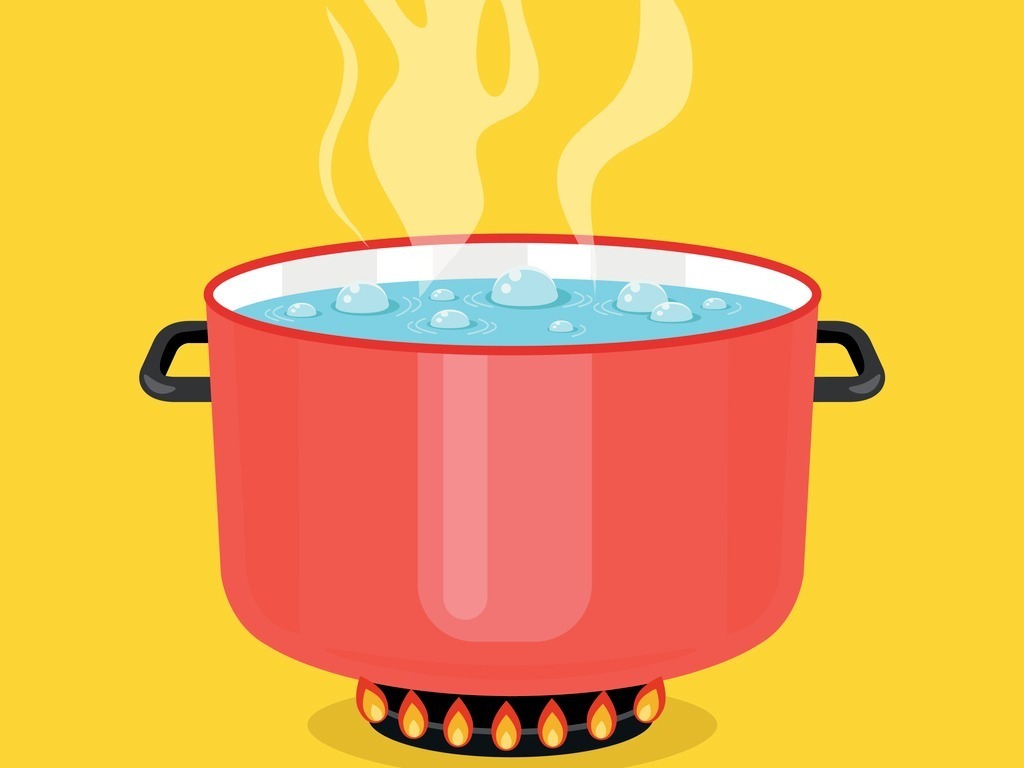
What is happening at the boiling point?
liquid to gas
solid to liquid
gas to liquid
liquid to solid
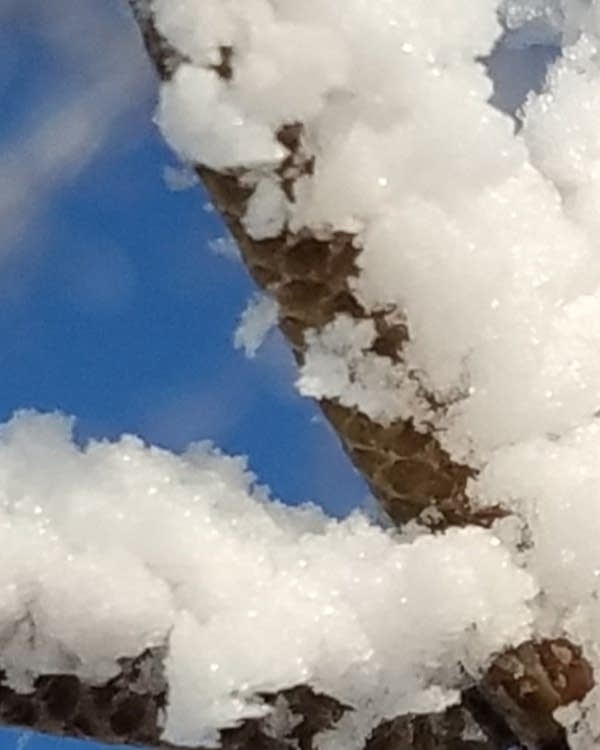
What is water's freezing point?
100 C
0 C
32 C
5 C
What is happening at freezing point?
gas to liquid
liquid to solid
solid to liquid
liquid to gas
Do all matter have the same boiling, melting, and freezing points?
Yes
No
If water is left to boil, what statement is not true?
All the water will eventually evaporate.
The temperature of the water will eventually reach 200°C.
The temperature of the water will remain at 100°C until it evaporates.
The beaker with only 100 mL of water will boil away faster than the beaker with 200 mL of water.
What scientific tool can be a student use to measure the freezing point of water?
Stopwatch
Celsius thermometer
Pan balance
Hot plate
What happens when a liquid perfume is sprayed on your palm ?
The liquid gain heat from the sanitizer and evaporate
The liquid gain heat from the surroundings and evaporate
The liquid gain heat from the palm and evaporate
The liquid gain heat from the palm or surroundings and evaporate
When you spray a perfume on your palm, the liquid get evaporated after some time and you will feel cool. This is because evaporation give .....
heating effect
magnetic effect
cooling effect
warming effect
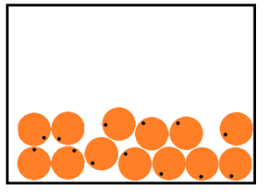
What is the cause of phase change?
temperature
energy
pressure
volume

What will happen if there are overfishing continuously?
Fish population increases
Fish reproduces more
Fish will be extinct
Sea will be crowded
What will happen to the birds when oil spill on the sea?
Birds can catch fish easily
Birds can dive in faster
Birds can not fly again
Birds can not float
Which of following is natural disaster?
Overfish
Trash
Oil Spill
Volcano eruption
What will happen when cars and factories give off smoke, dust and harmful gases?
Air pollution
Water pollution
Land pollution
Soil pollution


Clearing the forest for housing and farming is called _____________.
reforestation
deforestation
littering
burning forest

Human activities on the picture is harmful because _______________.
it destroys the habitat of living thing
living things lose the food sources
it causes soil erosion
all the answer are correct

When the trash entering the river, ______________.
the land dirty and smelly
the living thing in the water can survive
the water is polluted
the human can be healthy

How can we reduce the use of plastic bags?
Bring our own grocery bags
Throw away plastic bags after using it
Buy many plastic bags for our own use
Burn plastic bags together with other rubbish

Which of the following is not an example of reuse?
Modify jeans into bags
Use plastic bottles to plant small plants
Burn papers to create fire for barbeque
Use boxes to keep things in the house organised

Why do we recycle things?
So that people can burn the things later
So that it can be thrown away in the sea
So that it can be reused and becomes a new other product
So that it can be used as shelter for pest like rats and cockroaches
Smoke from factories, burning the forest and vehicles is harmful for the environment. Which effect of the smoke?
It can cause landslides
It can make the living things in the water die
It can cause breathing problem
It can pollute the water
Which activity care for the environment?
Clearing up the litter
Taking our own vehicles or car
Burning the trash
Asking more plastic bag in supermarket

The biggest egg is related to the ........
ostrich
duck
swan

It can swim but it can't fly !
ostrich
duck
penguin
All birds ...................
can fly
can climb tree
lay egg

Which of these is a common feature of a bird?
They live in water.
They lay eggs.
All birds can fly.
All birds can sing.

Birds have their bodies covered with
fur
feathers
scales
quills

Birds do not have hollow bones to help them fly.
True
False

The Bee Hummingbird is the smallest living bird in the world.
True
False

Snails have
furry and slimy bodies
dry and scaly bodies
soft and slimy bodies
feathery and scaly bodies

Snails have shells to protect their body.
True
False
A habitat is
a local environment animals lives in.
a group of animals.
a foreign environment animals lives in.
a process of migration for animals.
Snails eat the leaves, stems, roots and fruits of plants.
True
False

Snails have no
eyes
teeth
body
tentacles

