
 Worksheets
Robotics - Weekly Quiz
Total questions: 15
Worksheet time: 8mins
Which of the following are advantages of using robots? (choose 2)
They don’t get tired
They don’t need to be paid
They don't need electricity
They can adapt to change
Which of the following are advantages of using humans? (choose 2)
They don’t get tired
They don’t need to be paid
They don't need electricity
They can adapt to change
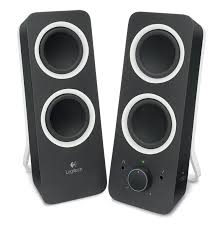
Is this device an input or an output device?
Input
Output
Is a sensor an input or an output device?
Input
Output
both an input and output device

What is this robot?
Roomba
WALL-E
cozmo
vector
What is a robot?
A computer that can control a machine.
A machine that can think for itself.
A machine that is controlled by a computer.
Something that looks human but is not.
True or false?
Not all robots need to be programmed.
True
False
Which of the following is a robot?
A small plane without a pilot that uses sensors and a computer to take off, fly and land.
A computer that a person can use to move a small plane without a pilot.
The directions written into a computer that make a small plane without a pilot able to take off, fly and land.
A person who uses a computer to make a small plane without a pilot take off, fly and land.
A motor that allows a machine to move over the rocky surface of a planet is a(n)...
sensor.
computer.
output device.
robot.
Sylvie has a robot that helps her wash dishes.
Which of the following must be true?
Sylvie’s robot is programmed to wash dishes.
Sylvie’s robot looks like a human.
Sylvie's robot has no sensors.
Sylvie's robot can also wash and dry laundry.
Which of the following is not an example of a robot?
automatic doors
a vending machine
an ATM
a clock
Why are sensors important to robots?
Sensors give robots information about their environment.
Sensors let robots change their environment.
Sensors allow them to move.
Sensors give robots directions for everything that they do.
Which of the following is not an example of a sensor?
a device that detects pressure
a device that produces a high-pitched sound
a device that detects light
a device that responds to the presence of chemicals
Robots are best suited for tasks that...
require creativity.
are repetitive.
change very often.
are quick.
Choose the statement that is false.
Microscopic robots are being designed and tested.
Robots can explore places people cannot.
Robots can help assemble other robots.
The field of robotics is no longer changing.

