
 Worksheets
Science 9 Section 2 Review
Total questions: 31
Worksheet time: 21mins
One advantage of asexual reproduction is that it
leads to greater variation within a species
allows offspring to adapt to environmental changes
leads to long-term bonds between the offspring and the parent
allows a population to grow substantially over a short period of time

In the flow chart, the stage at which fertilization takes place is labelled
Process 1
Process 2
Process 3
Process 4
In the flow chart, what happens at process 3?
Fertilization
Sex Cell Formation
Cleavage
Growth
Which of the following human traits is influenced by the environment (non heritable)?
Weight
Blood type
Colour-blindness
Ability to roll tongue
A benefit of sexual reproduction is that it
produces many offspring
requires specialized structures/cells
happens quickly
increases variability
Which of the following heritable human traits cannot be influenced by the environment?
Height
Weight
Skin colour
Earlobe attachment
(a) characteristics are passed from generation to generation. Ex. eye colour
(a) variation refer to differences in characteristics that have a defined form. Ex. you can roll your tongue OR you can't roll your tongue
(a) variation refers to differences in characteristics that have a range of forms. Ex. skin colour
(a) characteristics are acquired, such as playing an instrument
(a) reproduction involves only one parent
(a) reproduction involves two parents
(a) occurs when the pollen of one plant is carried to the stigma of another separate plant
When a zygote begins to divide into more cells, it is referred to as a/an (a)
Sexual reproduction in plants or animals relies on the union of two specialized cells known as (a) .
The union of the sperm cell with the egg cell is called (a) .

What process is taking place in the image?
Pollination
Budding
Spore production
Cross pollination

Which letters in the image are pointing to the male reproductive structures of the plant?
C,D, and E
A and B
A, C, and D
C and D
Which letter is pointing to the ovary
A
B
C
D
E
Which letter is pointing to the structure that carries the pollen?
A
B
C
D
E
Which of the following is NOT an example of a continuously variable trait?
foot size
height
thumb shape
weight
It is observed that many coral species are developing polyps that form genetically identical offspring of the parent coral plant. What form of asexual reproduction does this represent?
Spores
Budding
Vegetative Reproduction
Binary Fission
During sexual reproduction, the sperm unites with the egg in the process of fertilization. What is created by the joining of these two cells?
a gamete
a zygote
an embryo
a bud
In plants, the pistil is the
male part
female part
asexual part
pollen producing part
Check off the options that describe asexual reproduction
results in variations among species
includes budding and binary fission
involves a single parent
occurs when gametes unite
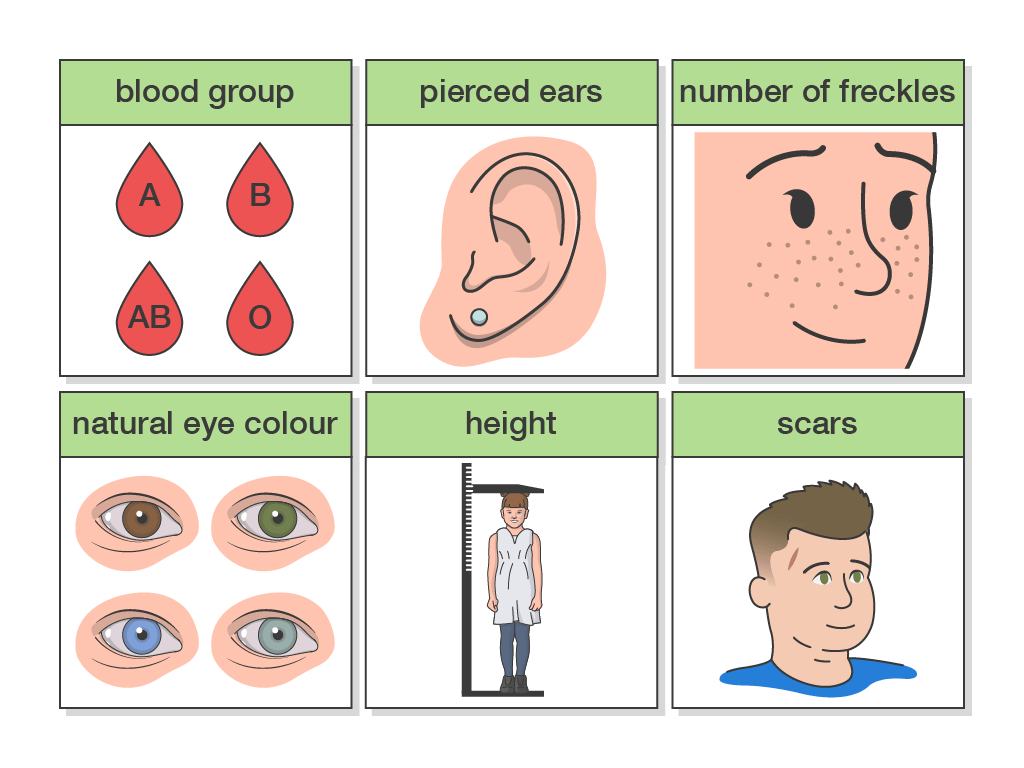
Which two characteristics show variation as a result of environmental factors only?
blood group
pierced ears
Scar
natural eye colour
height
What causes variation?
inherited factors (genes) only
environmental factors only
inherited and environmental factors
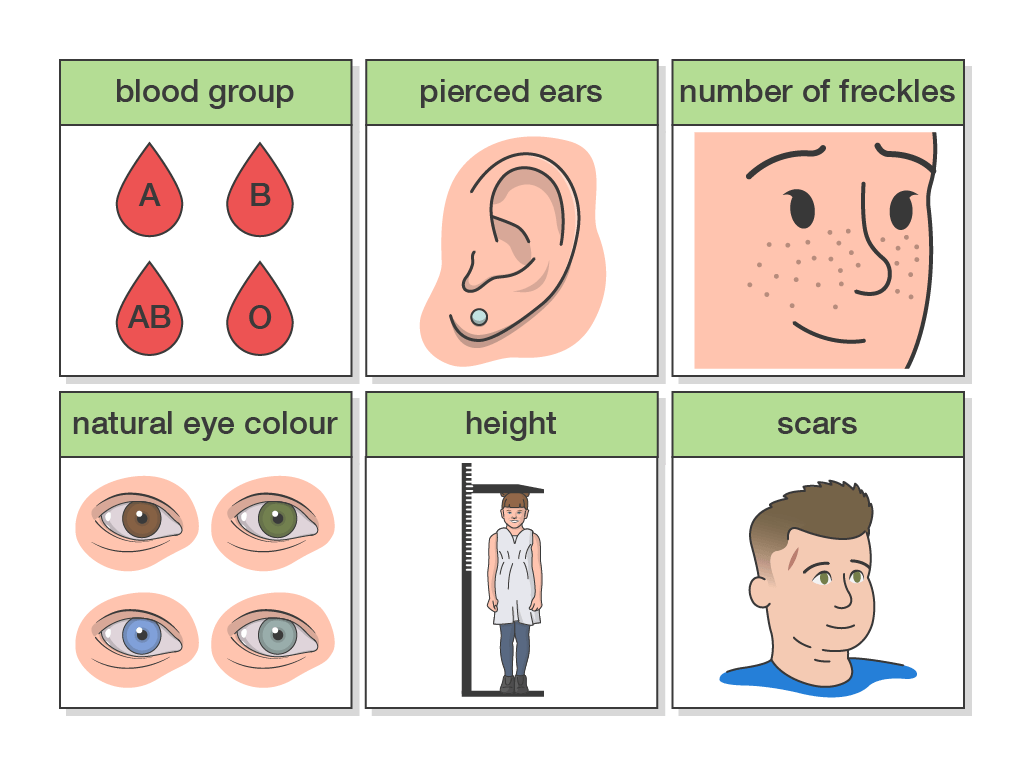
Which three features show discrete variation?
blood group
height
foot length
eye colour
biological sex (male or female)

The offspring of asexually reproducing organisms have genes that are ____________ to that of their parent.
different
identical

The offspring of sexually reproducing organisms have genes that are _____________ from that of their parents.
different
identical

How can you tell if an offspring is the result of asexual or sexual reproduction?
If the offspring is genetically identical to its parent then it will be the result of asexual reproduction, and if it is genetically different to its parents, then it will be the result of sexual reproduction.
If the offspring is genetically different to its parent then it will be the result of asexual reproduction, and if it is genetically identical to its parents, then it will be the result of sexual reproduction.

