
 Worksheets
Inside Computers Review
Total questions: 24
Worksheet time: 14mins

What part is this?
Power Supply
Cooling Fan
Central Processing Unit
Motherboard
Hard Disk Drive

What part is this?
Power Supply
Cooling Fan
Central Processing Unit
Motherboard
Hard Disk Drive

What part is this?
Power Supply
SSD
Central Processing Unit
Motherboard
HDD

What part is this?
Power Supply
Cooling Fan
Central Processing Unit
Motherboard
Hard Disk Drive

What part is this?
Motherboard
RAM Chip
Central Processing Unit
Network Interface Card
Hard Disk Drive
This sits on top of the CPU and contains a fan to keep the CPU cool. What part is this?
RAM
Heat Sink
Central Processing Unit
Motherboard
Hard Disk Drive
Permanently stores data when somebody saves their work. When you save data, it moves from RAM to here. What part is this?
RAM
Heat Sink
Central Processing Unit
Motherboard
Hard Disk Drive
This connects all the inside components of the computer together, including the CPU and any input and output devices. What part is this?
Power Supply
Network Interface Card
Central Processing Unit
Motherboard
Hard Disk Drive
A modern processor's clock speed is measured in megaHertz.
True
False
Adding a 2GB RAM card to your computer will give you 2 billion more bytes of storage in which to save your data.
True
False
The hard drive is where your software, documents, and other files are stored. The hard drive is long-term storage, which means the data is still saved even if you turn the computer off or unplug it.
True
False
Volatile Memory
Memory that remains with or without power
Memory that is cleared when power is cut
Memory that depends on the CD Drive
Read Only Memory
Non-Volatile Memory
Memory that remains with or without power
Memory that is cleared when power is cut
Memory that depends on the CD Drive
Read Only Memory
An example of volatile memory is:
SSD
CD-RW
Hard Drive
L2 cache
What does ROM stand for?
Random Online Memory
Readable Optimized Memory
Read Only Memory
Random Open Memory
The easiest type of volatile memory to be accessed by the CPU is:
registers
L1 cache
RAM
Flash Drive
An example of non-volatile memory would be...
RAM
Hard Drive
CPU
Software
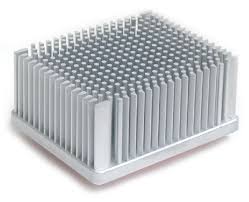
Power Supply
CPU
Heat Sink
Motherboard

Hard Drive
Floppy Drive
CD/DVD Drive
Power Supply
A nanometer is equal to (a) of a meter.
Which is greater than 2000 megabytes?
1,000,000 kilobytes
1.5 gigabytes
0.005 terabytes
Which is the best metric unit for measuring the modern transistor?
exometer
millimeter
micrometer
nanometer
Which would most likely retrieve an instruction from the RAM and decode it?
arithmetic logic unit of CPU
decoding cache unit
control unit of CPU
aortic unit of CPU
Which is the machine cycle (CPU to RAM) in order?
decode, fetch, execute, store
fetch, execute, decode, store
fetch, dexecute, ecode, store
fetch, decode, execute, store

