Wayground logo

Free Printable Worksheets

Font size

S
M
L
XL
Worksheets

Unit 1 Part 2 Test RETAKE

Total questions: 168

Worksheet time: 1hrs 24mins

Name
Class
Date
1.

any natural feature of the earth's surface

a)

Landforms

b)

Rivers

c)

Sand Dune-

2.

any natural feature of the earth's surface

a)

Landforms

b)

Rivers

c)

Sand Dune-

3.

a vent in the crust of the earth from which usually molten or hot rock and steam is released

a)

Mountain

b)

Delta

c)

Volcano

4.

a vent in the crust of the earth from which usually molten or hot rock and steam is released

a)

Mountain

b)

Delta

c)

Volcano

5.

Study of plates, their movement, and Earth’s features that they affect

a)

Plate boundaries

b)

Plate Tectonics

c)

Major mountains

6.

Study of plates, their movement, and Earth’s features that they affect

a)

Plate boundaries

b)

Plate Tectonics

c)

Major mountains

7.

Study of plates, their movement, and Earth’s features that they affect

a)

Plate boundaries

b)

Plate Tectonics

c)

Major mountains

8.

The idea that continents were once part of a single landmass that broke apart and

moved

a)

Continental Drift

b)

Tectonic Plates

c)

Transform

9.

The idea that continents were once part of a single landmass that broke apart and

moved

a)

Continental Drift

b)

Tectonic Plates

c)

Transform

10.

Formed where two sections of Earth’s crust are colliding

a)

Divergent-

b)

Convergent-

c)

Transform-

11.

Formed where two sections of Earth’s crust are colliding

a)

Divergent-

b)

Convergent-

c)

Transform-

12.

Formed where two sections of Earth’s crust are colliding

a)

Divergent-

b)

Convergent-

c)

Transform-

13.
What land form is this?
a)
valley
b)
canyon
c)
mountain
d)
plain
14.
What land form is this?
a)
valley
b)
canyon
c)
mountain
d)
plain
15.
What land form is this?
a)
valley
b)
canyon
c)
plain
d)
mountain
16.
What land form is this?
a)
valley
b)
canyon
c)
plain
d)
mountain
17.
What land form is this?
a)
valley
b)
canyon
c)
plain
d)
mountain
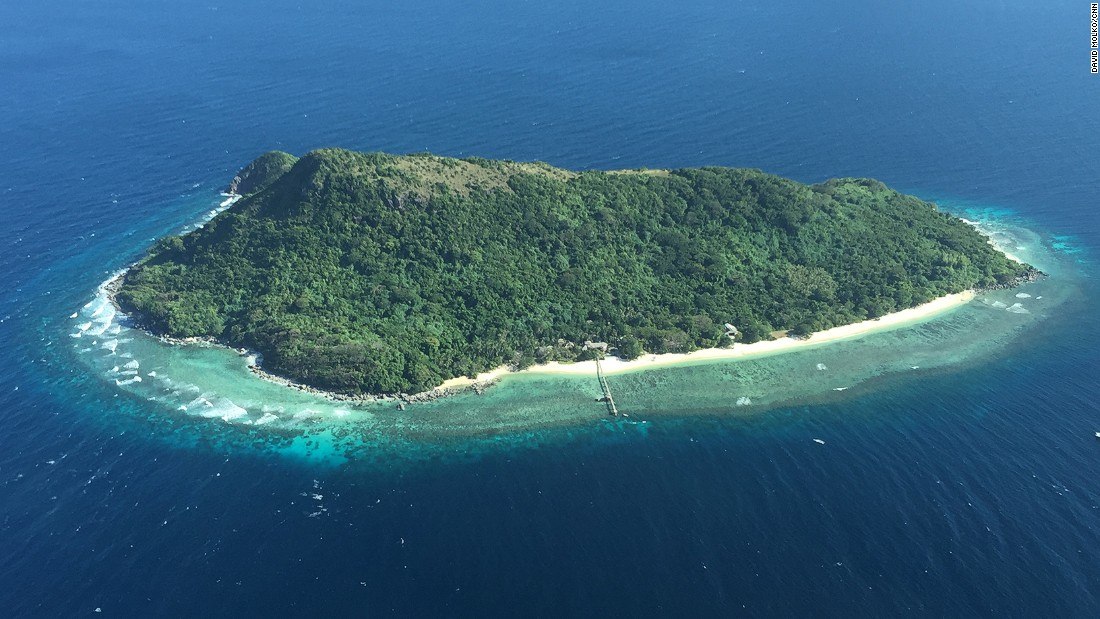
18.
What land form is this?
a)
island
b)
valley
c)
plain
d)
mountain
19.
What land form is this?
a)
island
b)
valley
c)
plain
d)
mountain
20.
What land form is this?
a)
island
b)
valley
c)
plain
d)
mountain
21.
Land that is surrounded by water on three sides. 
a)
Peninsula
b)
Ocean
c)
Mountain
d)
Valley
22.
Land that is surrounded by water on three sides. 
a)
Peninsula
b)
Ocean
c)
Mountain
d)
Valley
23.
a)
A. Desert
b)
B. Lake
c)
C. Plains
d)
D. River
24.
a)
A. Desert
b)
B. Lake
c)
C. Plains
d)
D. River
25.
a)
A. Desert
b)
B. Lake
c)
C. Plains
d)
D. River
26.
a)
A. Hills
b)
B. River
c)
C. Desert
d)
D. Mountains
27.
a)
A. Hills
b)
B. River
c)
C. Desert
d)
D. Mountains
28.
Name this body of water
a)
peninsula
b)
ocean
c)
hill
d)
volcano
29.
Name this body of water
a)
peninsula
b)
ocean
c)
hill
d)
volcano
30.
Name this body of water
a)
peninsula
b)
ocean
c)
hill
d)
volcano
31.

Many animals make their homes inside this landform. It may be a deep hole in the ground or in the side of a mountain.

a)

plain

b)

canyon

c)

hill

d)

cave

32.

Many animals make their homes inside this landform. It may be a deep hole in the ground or in the side of a mountain.

a)

plain

b)

canyon

c)

hill

d)

cave

33.

Many animals make their homes inside this landform. It may be a deep hole in the ground or in the side of a mountain.

a)

plain

b)

canyon

c)

hill

d)

cave

34.

Land formation that is flat on top with steep walls. Usually in a dry area

a)

Hill

b)

Plateau

c)

Basin

35.

Land formation that is flat on top with steep walls. Usually in a dry area

a)

Hill

b)

Plateau

c)

Basin

36.

A peninsula is a landmass surrounded by water on all sides.

a)

True

b)

False

37.

A peninsula is a landmass surrounded by water on all sides.

a)

True

b)

False

38.

a)

divergent boundary

b)

convergent boundary

c)

transform boundary

39.

a)

divergent boundary

b)

convergent boundary

c)

transform boundary

40.

a)

divergent boundary

b)

convergent boundary

c)

transform boundary

41.

any natural feature of the earth's surface

a)

Landforms

b)

Rivers

c)

Sand Dune-

42.

a vent in the crust of the earth from which usually molten or hot rock and steam is released

a)

Mountain

b)

Delta

c)

Volcano

43.

Study of plates, their movement, and Earth’s features that they affect

a)

Plate boundaries

b)

Plate Tectonics

c)

Major mountains

44.

The idea that continents were once part of a single landmass that broke apart and

moved

a)

Continental Drift

b)

Tectonic Plates

c)

Transform

45.

Formed where two sections of Earth’s crust are colliding

a)

Divergent-

b)

Convergent-

c)

Transform-

46.
What land form is this?
a)
valley
b)
canyon
c)
mountain
d)
plain
47.
What land form is this?
a)
valley
b)
canyon
c)
plain
d)
mountain
48.
What land form is this?
a)
island
b)
valley
c)
plain
d)
mountain
49.
Land that is surrounded by water on three sides. 
a)
Peninsula
b)
Ocean
c)
Mountain
d)
Valley
50.
a)
A. Desert
b)
B. Lake
c)
C. Plains
d)
D. River
51.
a)
A. Hills
b)
B. River
c)
C. Desert
d)
D. Mountains
52.
Name this body of water
a)
peninsula
b)
ocean
c)
hill
d)
volcano
53.

Many animals make their homes inside this landform. It may be a deep hole in the ground or in the side of a mountain.

a)

plain

b)

canyon

c)

hill

d)

cave

54.

Land formation that is flat on top with steep walls. Usually in a dry area

a)

Hill

b)

Plateau

c)

Basin

55.

A peninsula is a landmass surrounded by water on all sides.

a)

True

b)

False

56.

a)

divergent boundary

b)

convergent boundary

c)

transform boundary

57.

a)

divergent boundary

b)

convergent boundary

c)

transform boundary

58.

a)

divergent boundary

b)

convergent boundary

c)

transform boundary

59.

This type of boundary can be found along the San Andreas fault in California....

a)

divergent

b)

convergent

c)

transform

60.

Subduction means.....

a)

one plate goes under another plate

b)

two plates slide past each other

c)

two plate collide and form folded mountains

61.

The process that causes the tectonic plates to move is called.....

a)

subduction

b)

transform

c)

convection

62.

Sea-floor spreading explains how.....

a)

new crust is created at a divergent boundary

b)

volcanoes are formed on continents

c)

deep sea trenches are formed

63.

This area is called the....

a)

Arc of Volcanoes

b)

Ring of Fire

c)

Horseshoe of Magma

64.

The temperature of an ocean current affects the ___________ of the land nearby.

a)

climate

b)

latitude

c)

elevation

d)

global winds

65.

There is more precipitation above the ocean than on land. Evaporation adds moisture to the air.

a)

True

b)

False

66.

Areas closer to the _________ receive more direct sunlight.

a)

North Pole

b)

equator

c)

temperate zone

67.

A tundra has less plant life because ______________.

a)

there is more rainfall

b)

there is less rainfall

68.

A rainforest has more plant life because ___________.

a)

it has a warmer climate with more rainfall

b)

it has a colder climate with more rainfall

c)

it has a warm, dry climate

69.
What is climate?
a)
What's happening in space at a time and place.
b)
What's happening in our atmosphere at a time and place
c)
The average weather over many years
d)
The average temperature over many years.
70.
What is weather?
a)
What's happening in space at a time and place.
b)
What's happening in our atmosphere at a time and place.
c)
The average weather over many years
d)
The average temperature over many years.
71.
What climate does a desert have?
a)
Tropical
b)
Polar
c)
Arid/Dry
d)
Temperate
72.
Antarctica is cold all the time. What is it's climate?
a)
Tropical
b)
Polar
c)
Arid/Dry
d)
Temperate
73.
The seasons are caused by___________?
a)
The direction the Earth's axis is tilted toward the sun
b)
Tropical Storms
c)
Changes in the moon
d)
The Earth's rotation on its axis
74.
In which position is it Spring in the Northern Hemisphere?
a)
1
b)
2
c)
3
d)
4
75.
In which position is it summer in the Northern Hemisphere?
a)
1
b)
2
c)
3
d)
4
76.
Which of the following does NOT have an affect on a region's climate?
a)
Large bodies of water
b)
Latitude
c)
Mountains
d)
Longitude
77.
When the sun's rays pass through our atmosphere and then heat is trapped by the atmosphere it is called
a)
Global Warming
b)
Greenland Effect
c)
Greenhouse Effect
d)
Ice Age
78.
Which of the following is a greenhouse gas?
a)
carbon monoxide
b)
oxygen
c)
nitrogen
d)
carbon dioxide
79.
The gradual increase in the average temperature of our planet Earth is called
a)
Greenhouse Effect
b)
Global Warming
c)
Greenland Effect
d)
Ice Age
80.
Sunny, partly cloudy, rain are examples of...
a)
Climate
b)
Weather
81.
Climate is the average conditions that are expected at a certain place over a number of years
a)
False
b)
True
82.
The closer a place is to the ________, the warmer it will be
a)
Sun
b)
North and South Pole
c)
Equator
83.
Climate types can be classified into many different categories 
a)
True
b)
False
84.
This photo represents a ______ climate 
a)
Tropical 
b)
Polar
c)
Temperate 
85.
This photo represents a ______ climate 
a)
Tropical 
b)
Polar
c)
Temperate 
86.

This photo represents a ______ climate

a)

Tropical

b)

Polar

c)

Temperate

87.
Elevation, how high up the land is from the sea level does not impact climate 
a)
True
b)
False
88.
Which climate zone is the arrow pointing to?
a)
Temperate
b)
Tropical
c)
Polar
89.
Which climate zone is the arrow pointing to?
a)
Temperate
b)
Tropical
c)
Polar
90.
Which climate zone is the arrow pointing to?
a)
Temperate
b)
Tropical
c)
Polar
91.

Plants and animals in the tundra must be able to adapt to the extremely ___________ weather

a)

small

b)

cold

c)

perennials

d)

shallow

92.

Many of the animals in the desert are ______________ to avoid the extreme heat during the day.

a)

cacti

b)

chia

c)

water

d)

nocturnal

93.
As altitude or latitude increase, temperature ______
a)
stays the same
b)
rises
c)
drops
d)
drops, then rises
94.
What are the two main factors that determine the climate of an area?
a)
precipitation and humidity
b)
temperature and air pressure
c)
wind conditions and humidity
d)
temperature and precipitation
95.
Which two biomes have the least precipitation?
a)
tropical rain forest and temperate grasslan
b)
savanna and tropical dry forest
c)
tundra and desert
d)
boreal forest and temperate woodland
96.
This biome is found around the equator and is home to a large amount of biodiversity.
a)
Deserts
b)
Tropical Rain Forests
c)
Savannas
d)
Chaparral 
97.
What is this biome?
a)
Coniferous Forest
b)
Desert
98.
What is this biome?
a)
Deciduous Forest
b)
Tropical Rainforest
99.
What is this biome?
a)
Arctic Tundra
b)
Desert
100.
What is this biome?
a)
Grassland
b)
Desert
101.
A large area where different plants and animals live is called a _______?
a)
school
b)
biome
102.
This is the only state in the United States with tropical rainforests.
a)
Ohio
b)
Hawaii
103.
What is it called when animals move from one area to another.
a)
migrate
b)
vacation
104.
Evergreen trees and other pine trees produce _____.
a)
cones
b)
pumpkins
105.

any natural feature of the earth's surface

a)

Landforms

b)

Rivers

c)

Sand Dune-

106.

a vent in the crust of the earth from which usually molten or hot rock and steam is released

a)

Mountain

b)

Delta

c)

Volcano

107.

Study of plates, their movement, and Earth’s features that they affect

a)

Plate boundaries

b)

Plate Tectonics

c)

Major mountains

108.

The idea that continents were once part of a single landmass that broke apart and

moved

a)

Continental Drift

b)

Tectonic Plates

c)

Transform

109.

Formed where two sections of Earth’s crust are colliding

a)

Divergent-

b)

Convergent-

c)

Transform-

110.
What land form is this?
a)
valley
b)
canyon
c)
mountain
d)
plain
111.
What land form is this?
a)
valley
b)
canyon
c)
plain
d)
mountain
112.
What land form is this?
a)
island
b)
valley
c)
plain
d)
mountain
113.
Land that is surrounded by water on three sides. 
a)
Peninsula
b)
Ocean
c)
Mountain
d)
Valley
114.
a)
A. Desert
b)
B. Lake
c)
C. Plains
d)
D. River
115.
a)
A. Hills
b)
B. River
c)
C. Desert
d)
D. Mountains
116.
Name this body of water
a)
peninsula
b)
ocean
c)
hill
d)
volcano
117.

Many animals make their homes inside this landform. It may be a deep hole in the ground or in the side of a mountain.

a)

plain

b)

canyon

c)

hill

d)

cave

118.

Land formation that is flat on top with steep walls. Usually in a dry area

a)

Hill

b)

Plateau

c)

Basin

119.

A peninsula is a landmass surrounded by water on all sides.

a)

True

b)

False

120.

a)

divergent boundary

b)

convergent boundary

c)

transform boundary

121.

a)

divergent boundary

b)

convergent boundary

c)

transform boundary

122.

a)

divergent boundary

b)

convergent boundary

c)

transform boundary

123.

This type of boundary can be found along the San Andreas fault in California....

a)

divergent

b)

convergent

c)

transform

124.

Subduction means.....

a)

one plate goes under another plate

b)

two plates slide past each other

c)

two plate collide and form folded mountains

125.

The process that causes the tectonic plates to move is called.....

a)

subduction

b)

transform

c)

convection

126.

Sea-floor spreading explains how.....

a)

new crust is created at a divergent boundary

b)

volcanoes are formed on continents

c)

deep sea trenches are formed

127.

This area is called the....

a)

Arc of Volcanoes

b)

Ring of Fire

c)

Horseshoe of Magma

128.

The temperature of an ocean current affects the ___________ of the land nearby.

a)

climate

b)

latitude

c)

elevation

d)

global winds

129.

There is more precipitation above the ocean than on land. Evaporation adds moisture to the air.

a)

True

b)

False

130.

Areas closer to the _________ receive more direct sunlight.

a)

North Pole

b)

equator

c)

temperate zone

131.

A tundra has less plant life because ______________.

a)

there is more rainfall

b)

there is less rainfall

132.

A rainforest has more plant life because ___________.

a)

it has a warmer climate with more rainfall

b)

it has a colder climate with more rainfall

c)

it has a warm, dry climate

133.
What is climate?
a)
What's happening in space at a time and place.
b)
What's happening in our atmosphere at a time and place
c)
The average weather over many years
d)
The average temperature over many years.
134.
What is weather?
a)
What's happening in space at a time and place.
b)
What's happening in our atmosphere at a time and place.
c)
The average weather over many years
d)
The average temperature over many years.
135.
What climate does a desert have?
a)
Tropical
b)
Polar
c)
Arid/Dry
d)
Temperate
136.
Antarctica is cold all the time. What is it's climate?
a)
Tropical
b)
Polar
c)
Arid/Dry
d)
Temperate
137.
The seasons are caused by___________?
a)
The direction the Earth's axis is tilted toward the sun
b)
Tropical Storms
c)
Changes in the moon
d)
The Earth's rotation on its axis
138.
In which position is it Spring in the Northern Hemisphere?
a)
1
b)
2
c)
3
d)
4
139.
In which position is it summer in the Northern Hemisphere?
a)
1
b)
2
c)
3
d)
4
140.
Which of the following does NOT have an affect on a region's climate?
a)
Large bodies of water
b)
Latitude
c)
Mountains
d)
Longitude
141.
When the sun's rays pass through our atmosphere and then heat is trapped by the atmosphere it is called
a)
Global Warming
b)
Greenland Effect
c)
Greenhouse Effect
d)
Ice Age
142.
Which of the following is a greenhouse gas?
a)
carbon monoxide
b)
oxygen
c)
nitrogen
d)
carbon dioxide
143.
The gradual increase in the average temperature of our planet Earth is called
a)
Greenhouse Effect
b)
Global Warming
c)
Greenland Effect
d)
Ice Age
144.
Sunny, partly cloudy, rain are examples of...
a)
Climate
b)
Weather
145.
Climate is the average conditions that are expected at a certain place over a number of years
a)
False
b)
True
146.
The closer a place is to the ________, the warmer it will be
a)
Sun
b)
North and South Pole
c)
Equator
147.
Climate types can be classified into many different categories 
a)
True
b)
False
148.
This photo represents a ______ climate 
a)
Tropical 
b)
Polar
c)
Temperate 
149.
This photo represents a ______ climate 
a)
Tropical 
b)
Polar
c)
Temperate 
150.

This photo represents a ______ climate

a)

Tropical

b)

Polar

c)

Temperate

151.
Elevation, how high up the land is from the sea level does not impact climate 
a)
True
b)
False
152.
Which climate zone is the arrow pointing to?
a)
Temperate
b)
Tropical
c)
Polar
153.
Which climate zone is the arrow pointing to?
a)
Temperate
b)
Tropical
c)
Polar
154.
Which climate zone is the arrow pointing to?
a)
Temperate
b)
Tropical
c)
Polar
155.

Plants and animals in the tundra must be able to adapt to the extremely ___________ weather

a)

small

b)

cold

c)

perennials

d)

shallow

156.

Many of the animals in the desert are ______________ to avoid the extreme heat during the day.

a)

cacti

b)

chia

c)

water

d)

nocturnal

157.
As altitude or latitude increase, temperature ______
a)
stays the same
b)
rises
c)
drops
d)
drops, then rises
158.
What are the two main factors that determine the climate of an area?
a)
precipitation and humidity
b)
temperature and air pressure
c)
wind conditions and humidity
d)
temperature and precipitation
159.
Which two biomes have the least precipitation?
a)
tropical rain forest and temperate grasslan
b)
savanna and tropical dry forest
c)
tundra and desert
d)
boreal forest and temperate woodland
160.
This biome is found around the equator and is home to a large amount of biodiversity.
a)
Deserts
b)
Tropical Rain Forests
c)
Savannas
d)
Chaparral 
161.
What is this biome?
a)
Coniferous Forest
b)
Desert
162.
What is this biome?
a)
Deciduous Forest
b)
Tropical Rainforest
163.
What is this biome?
a)
Arctic Tundra
b)
Desert
164.
What is this biome?
a)
Grassland
b)
Desert
165.
A large area where different plants and animals live is called a _______?
a)
school
b)
biome
166.
This is the only state in the United States with tropical rainforests.
a)
Ohio
b)
Hawaii
167.
What is it called when animals move from one area to another.
a)
migrate
b)
vacation
168.
Evergreen trees and other pine trees produce _____.
a)
cones
b)
pumpkins