
 Worksheets
Biotic and Abiotic Factors
Total questions: 18
Worksheet time: 14mins
A hollow, sealed glass sphere contains sand, water, air, algae, and tiny brine shrimp. The sphere is a model ecosystem. Which of these is a biotic factor of this ecosystem?
air
algae
sand
water

Refer to the diagram. Which list includes abiotic factors only?
Items A, C, D
Items B, C, E
Items A, D
Items A, B, C, D, E
Which of these is a biotic factor in a river ecosystem?
the types of microorganisms that live in the river water
the amount of soil and other particles carried by the river
the speed at which the river water flows toward the ocean
the amount of rain that flows off the land and into the river
In many desert ecosystems, days are hot and nights are cold. Water is scarce, so animals seek water wherever possible. The spines of a cactus are actually leaves adapted to conserve water. The cactus plants have also adapted to live in thin, sandy soil. Which of the following is a biotic component of a desert ecosystem?
the thin, sandy soil
the wide temperature range
the scarcity of water
the spiny cactus leaves
Which of the following is a biotic factor in an ocean ecosystem?
the salt content of the water
the temperature of the water
the fish in the water
the oxygen in the water
Which of the following MOST completely describes the components of a pond ecosystem?
the soil and water that make up the pond
the organisms and non-living environment in and around the pond
the plants and animals that live in and around the pond
the fish and other aquatic animals in the pond
Which of the following MOST completely describes the components of a pond ecosystem?
the soil and water that make up the pond
the organisms and non-living environment in and around the pond
the plants and animals that live in and around the pond
the fish and other aquatic animals in the pond
Drought, erosion, flood, and prolonged heat spells are examples of —
communities
biotic factors within an ecosystem which affect abiotic components
populations
abiotic changes within an ecosystem which can affect biotic factors
An abiotic component of an ecosystem is represented by the —
bats under a bridge in Austin, Texas
population of deer on a deer lease in Central Texas
attack on a wheat field by fungus
monthly average rainfall in Texas

What terms should replace X and Y in the table?
elements; compounds
abiotic; biotic
microscopic; macroscopic
natural; man-made
Which statement below refers only to biotic components in an ecosystem?
Evaporation, transpiration, and precipitation are complex processes that cycle water between the atmosphere and the Earth's surface.
Photosynthesis and respiration are not considered atmospheric processes.
Vegetation is an indicator of several environmental factors, including precipitation, temperature, soil, geology, and wind.
In Yellowstone Park, shrubs have expanded their range into large areas formerly populated by short grasses, due to overgrazing and trampling by livestock.
What is the difference between the biotic and abiotic factors?
Biotic factors are living things and abiotic factors are nonliving things.
Biotic factors are nonliving things and abiotic factors are living things.
Temperature is an example of what kind of factor?
biotic
abiotic
dead
living
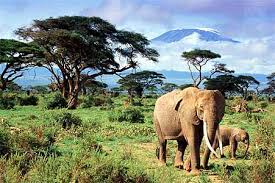
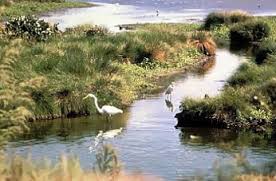
What are the abiotic factors in this image?
water, sunlight, dirt, air
birds, trees, and sunlight
water, trees, and birds

