
Font size
 Worksheets
lit 101
Total questions: 100
Worksheet time: 47mins
A pre-Hispanic Philippine writing system that originated from the Japanese script Kavi.
Baybayin/Alibaba
Baybayon/Alitaba
Babayna/Alibaka
Babayin/Alibata
The very first book printed in the Philippines in 1593.
DOCTRINA CHRISTIANA
QURAN
HOLY BIBLE
NINAY
The Spaniards called the natives what during the Spanish colonization?
Indios
Indians
Illustrados
Illiterate
He is the writer of Florante at Laura.
Francisco Lacaba
Francisco Dimaculangan
Francisco Baltazar
Francisco Pangilinan
Intellectual Filipinos during the Spanish Colonization is called?
Pensionados
Illustrados
Pintados
Tejerros
Jose Rizal’s novel dedicated to the Martyrs of Cavite, GOMBURZA.
El Presidente
El Comprehensiones
El Filibusterismo
El Filipinos
One of the Filipino Pensionados and the fifth Supreme Court Chief Justice of the Philippines that can now be seen at the back of the 1000 peso bill together with Josefa Llanes-Escoda and Vicente Lim.
Jose Lacaba
Jose de la Cruz
Jose Abad Santos
Jose Francisco
It is Rizal’s very last poem.
Mi Ultimo Adios
Mi Llamo Dora
Mi Miro
Mi Ultimo Años
Rizal’s pen name other than Dimasalang.
Laong Laan
Isang Daan
Limang Daan
Laong Saan
A Filipino statesman and writer born in Tiaong, Tayabas (Now Quezon). He authored Bajo Los Cocoteros in 1911.
Claro M. Recto
Manuel L. Quezon
Carlos P. Romulo
Pedro Paterno
A Filipino hero who died on December 30, 1896
Juan Luna
Antonio Luna
Andres Bonifacio
Jose Rizal
Andres Bonifacio was killed by his fellow Filipinos together with his brother. What is the name of his Brother?
Narciso
Procopio
Antonio
Anselmo
Under the Philippine vs Spanish war, he led the Katipuneros where they converged in Pugad Lawin ( now Quezon City) concluded in the tearing of the cedulas.
Jose Rizal
Antnio Buencamino
Emilio Aguinaldo
Andres Bonifacio
The Philippine President under Commonwealth.
Manuel L. Quezon
Carlos P. Garcia
Jose P. Laurel
Elpidio Quirino
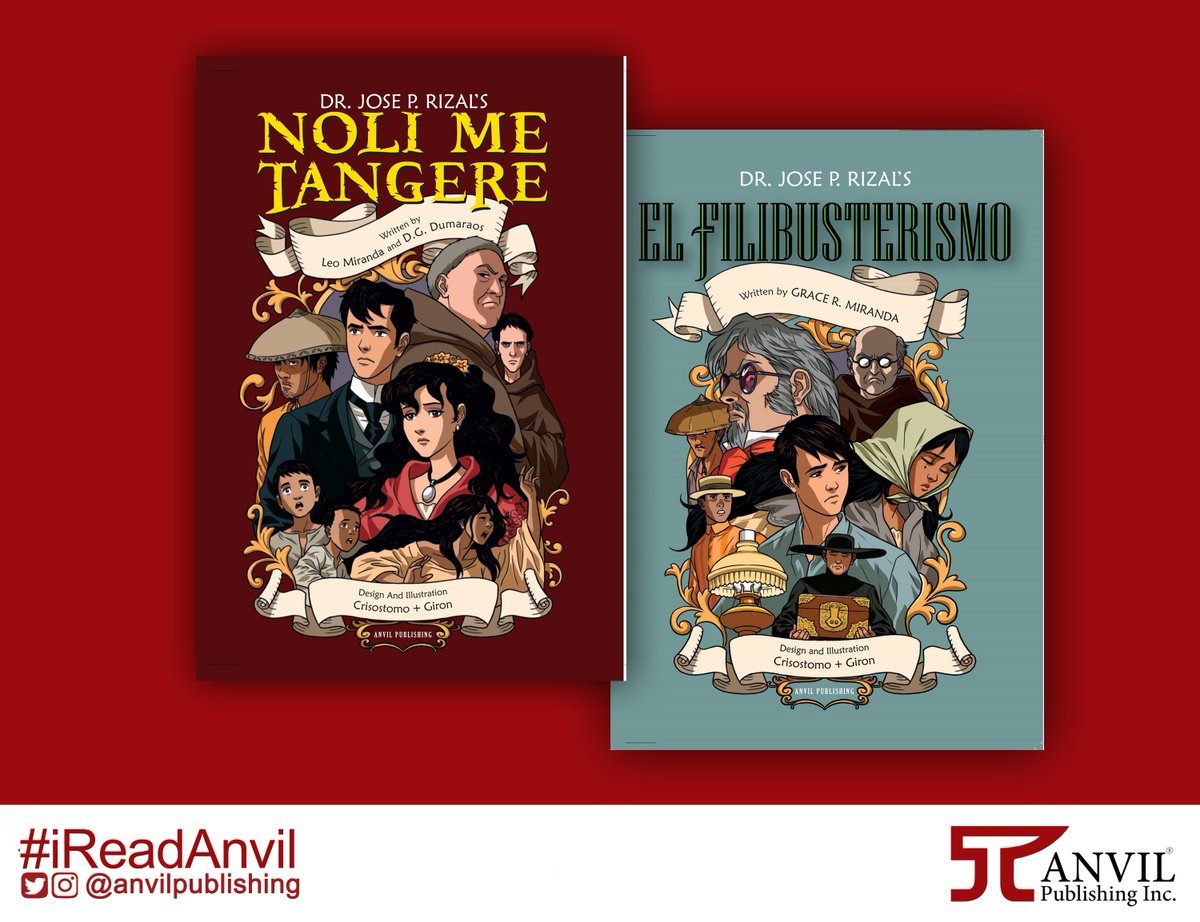
During this period, Jose Rizal's works such as Noli Me Tangere and El Filibusterismo were written to awake the mind of our countrymen.
Pre-colonial Period
Spanish Colonization
Nationalistic/Propaganda & Revolutionary Period
American Colonial Period
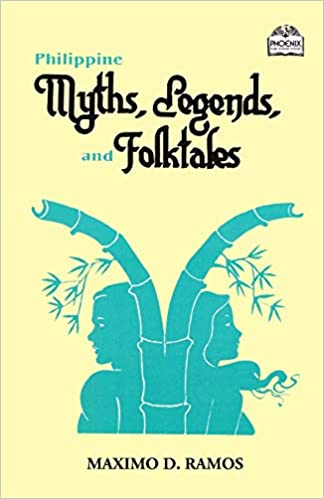
The Philippines had literature such as legends, folktales, folksongs, and the like.
Pre-colonial Period
Nationalistic/Propaganda & Revolutionary Period
Spanish Colonization
American Colonial Period
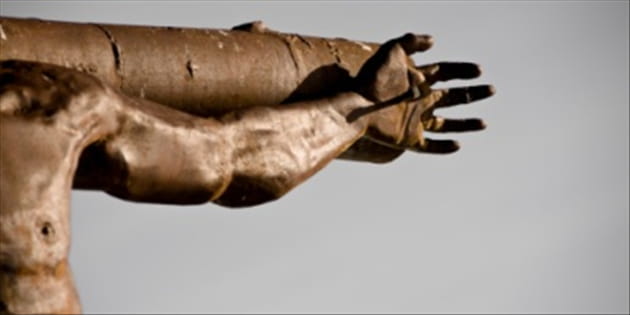
This period has two distinct classifications: religious and secular literature.
Pre-colonial Period
Spanish Colonization
Nationalistic/Propaganda & Revolutionary Period
American Colonial Period

Haiku and Tanka were influenced by what period?
Spanish Colonization
American Colonial Period
Japanese Occupation
Contemporary/Modern Period
English as a medium of instruction was introduced in the school as the intellectual language of education in this period.
Spanish Colonization
American Colonial Period
Japanese Occupation
Contemporary/Modern Period

A wise saying that contains a metaphor used to teach as food for thought.
Riddle
Proverbs
Tanaga
Epic

A form of fold lyric which expressed the hopes and aspirations, the people's lifestyles as well as their loves.
Fables
Myths
Folk Songs
Epic
These are narratives of sustained length based on oral tradition revolving around supernatural events or heroic deeds.
Fables
Myths
Folk Songs
Epic

Check two examples of Awit:
Florante at Laura
Ibong Adarna
Bernardo Carpio
Si Manang Alimango
Check two examples of Korido:
Florante at Laura
Ibong Adarna
Bernardo Carpio
Si Manang Alimango
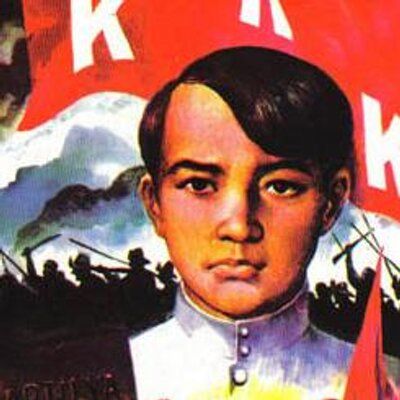
The period where Emilio Jacinto made the newspaper of the society.
Pre-colonial Period
Spanish Colonization
Nationalistic/Propaganda & Revolutionary Period
American Colonial Period

The period where literary works were violent in nature and demanded complete independence for the country.
Pre-colonial Period
Spanish Colonization
Nationalistic/Propaganda & Revolutionary Period
American Colonial Period
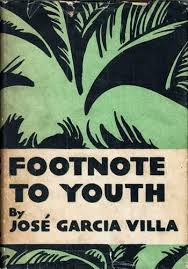
The period where poems written were amateurish, which phrasing and diction are awkward and artificial.
Spanish Colonization
Nationalistic/Propaganda & Revolutionary Period
American Colonial Period
Japanese Occupation
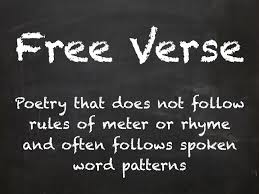
The period where Tagalog poets wrote in simple language and free verse.
Nationalistic/Propaganda & Revolutionary Period
American Colonial Period
Japanese Occupation (War Years)
Japanese Occupation (Period of Maturity and Originality)
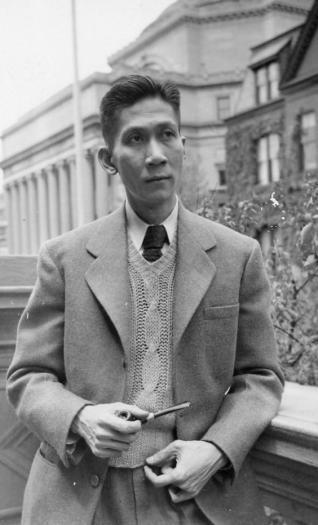
The period where Filipino writers mastered English and literary "giants" appeared.
Nationalistic/Propaganda & Revolutionary Period
American Colonial Period
Japanese Occupation (War Years)
Japanese Occupation (Period of Maturity and Originality)

The use of the vernacular in regional literature is ___________
discouraged because many people do not understand a piece not written in either English or Tagalog
encouraged so that the culture and tradition of a people are upheld despite effects of modernity
opposed for the reason that it constraints the expression of thoughts, feelings, and ideas of a writer
affirmed by many for it allows free flow of feelings and in-sights not understandable to readers

A valid observation of literary development in the Philippines is that _______.
History is recorded only in the oral tradition of the country.
No literature could reflect the richness of our country's experiences.
Literary masterpieces are written by great persons with great remembrances.
Literature developed alongside Philippine history.

Because of the archipelagic nature of the Philippines, its geographical features, and the presence of various ethno-linguistic groups in the country, regional literature has become ____________.
Anti-modern and traditional
Short yet vivid
Rich and varied
Nationalistic

The development of literature in the Philippines __________.
is given life only in the oral tradition of the country.
could reflect the richness of our country’s resources
may be attributed to both local and foreign influences
grew and prospered alongside the country’s history
Literature means imaginative or creative writing.
Fiction
Non-fiction
Literature
Considered as a group of beliefs and traditions.
Culture
Tradition
Bayanihan
Literature during this period is in the form of oral/orature.
Spanish period
Pre-Spanish period
Propaganda and revolutionary period
It is a long narrative poem that talks about the series of quests undertaken by a great hero.
Legend
Fable
Epic
A short saying or piece of folk wisdom that emerges from general culture, wisdom, and philosophies from Filipino life, which holds basic truth.
Fable
Proverbs
Myths
A story that narrates the activities of gods and heroes that can explain a natural phenomenon or cultural practice.
Epic
Fable
Myth
A witty question whose meaning has to be deciphered.
Riddles
Fable
Song
A body of narratives that are part of culture and tradition of the Filipinos, passed on by the word of mouth.
Short story
Literature
Prose
The very first book printed in the Philippines in 1593.
DOCTRINA CHRISTIANA
QURAN
HOLY BIBLE
NINAY
The Spaniards called the natives what during the Spanish colonization?
Indios
Indians
Illustrados
Illiterate
He is the writer of Florante at Laura.
Francisco Lacaba
Francisco Dimaculangan
Francisco Baltazar
Francisco Pangilinan
Intellectual Filipinos during the Spanish Colonization is called?
Pensionados
Illustrados
Pintados
Tejerros
LEGENDS ARE STORIES POPULAR IN THE COUNTRY WHICH HIGHLIGHTS THE ASSUMED ORIGIN OF A THING, PLACE OR OF ANYTHING
True
False
Both
Falce
ANCIENT PHILIPPINE LITERATURE WAS GENERALLY IN ORAL TRADITION
Falce
True
Both
False
It uses animal character
Fabels
Farables
febles
Fables

This are songs about love and courtship
Uyayi
Kundiman
Soliranin
Maluway
BUGTONG:
"Nagtago si Pedro, nakalabas ang ulo."

It is considered as the father of the drama.
It is musical comedy or melodrama.
Karagatan
Panunuluyan
Tibag
Zarzuela
What is the official newspaper of the Katipunan?
La Independencia
Kalayaan
La Libertad
La Solidaridad
First short story written in English in the Philippines
A Night in the Hills
Kite of Stars
Death Star
Footnote to Youth
Literature came from the latin word (a) which means letters.
It refers to a work whose content is produced by the imagination and is not necessarily based on fact.
(a)
It is a poem that tells a story.
(a)
It refers to the serious, solemn play based on an important social, personal, or religious issue.
(a)
This author is known as the "Father of Ilocano Literature".
(a)
Who is the author of How my Brother Leon Brought Home a Wife?
(a)
It is a writing that is based on facts, real events, and real people.
(a)
Region 2 is also called as (a) .
The Cagayan Valley Region is the fourth largest region in the Philippines.
True
False
“Aruy! Katimyas na nitang Dalaga” is a good example of a pamuri folk song.
True
False
Proverbs express norms or codes of behavior, community beliefs or they instill values by offering nuggets of wisdom in short, rhyming verse.
True
False
“Atin Cu Pung Singsing” is a good example of a goso folk song.
True
False
Dalit is a Kapampangan lullaby.
True
False
A folk song is a traditional song from a particular region, or a modern song, usually with a tune played on a guitar, that is written in a style similar to that of traditional music.
True
False
What was Francisco Balagtas’ nickname?
(a)
Who is the princess in Kahariang Rawis?
(a)
What was Rizal’s complete name?
(a)
Who is the author of The Wedding Dance?
Amador Baguio
Amador Paguio
Amador Daguio
Amador Maguio
Who is Lumnay in the story?
Awiyao's new younger wife
Awiyao's former wife
Awiyao's mother
Awiyao's sister
Why did Awiyao marry Madulimay?
Because Lumnay was not able to give him a child
Because he loves her more than Lumnay
Because he doesn't have a choice
Because he forces his parents to marry her
What does it mean to the tribe of Awiyao and Lumnay if they don't have a child?
A child is important for his tribe to continue. Producing one is also important for his manhood and reputation.
Likewise, it is essential for Lumnay's womanhood for her to bear a child.
For Awiyao, to die without children means that what he has worked hard for in the fields would be for naught.
All of the above
What does the fire symbolize in the story?
wedding ceremony
prosperity
darkness and isolation
love and hate
What do the beads offered by Awiyao symbolize?
love and hate
promise
wedding ceremony
prosperity
What is the main conflict of the story?
Man vs Society
Man vs Nature
Man vs Man
Man vs Himself
He was the bull that the characters rode on and brought them to their father's house.
Diego
Labang
Pedrico
Dodong
What was the time when the story happens?
Sunrise
Midday
Sunset
Evening
The main setting of the story took place in NAGREBCAN which is located in?
Batanes
Pangasina
Bicol
La Union
The main setting of the story took place in NAGREBCAN which is located in?
Batanes
Pangasina
Bicol
La Union
In the story, Maria was described with the following descriptions EXCEPT:
a lady with long nails but not painted
a lady with a small dimple appeared momentarily on her right cheek
"matapobre"
a kind and lovely lady from the city
This was the tree which was described to have grown big at Camino Real in the story.
Guava Tree
Mango Tree
Duhat Tree
Narra Tree
He was the the Character in the story, " How my brother Leon brought Home a Wife" who narrates his observations.
Leon
Diego
Labang
Baldo
He was the character in the story who was sent to Manila to study yet went home with a wife.
Castano
Leon
Baldo
Lucas
She was the girl in the story who was from the city and was concerned whether she will be accepted by the family of his husband or not.
Maria
Aurea
Anna
Cristina
She was the sister of the main characters in the story who helped her mother.
Felicia
Celia
Aurelia
MAria
They were the twins (boys) who saw the characters arrived in the barrio.
Lino & Jackie
Pedro & Fely
June & Rita
Urong & Celin
This was the supposed way that the characters in the story should take going home to their father's house.
Camino Longga
Calle Ruega
Camino Real
Calle Camino
He was the horseman in carretela who took maria and noel from the station to the edge of Nagrebcan.
Ca Celin
Ca Lino
Ca Ugong
Ca Baldo
Who told Baldo to drive through the fields?
His sister
His father
His mother
His brother
It was the name of the pass where the characters traveled which is a dry bed of a field which is usually used during dry season going to their father's house.
Liway
Cupang
Calle
Waig
This was the metaphor Baldo used for Maria
She was so annoying, a pest in the field who consumes crops
She was tall and lovely and the fragrance of her was like a morning when papayas are in bloom
She was the stars in the night sky shining bright like a diamond
She was the universe for everyone in Nagrebcan

