
 Worksheets
Judicial Branch w/ Supreme Court Cases
Total questions: 40
Worksheet time: 22mins
This ruling explicitly outlawed racial segregation of public education facilities (legal establishment of separate government-run schools for blacks and whites), ruling so on the grounds that the doctrine of "separate but equal" public education could never truly provide black Americans with facilities of the same standards available to white Americans
Brown vs Board of Ed
Escobedo vs ILL
Dred Scott vs Sanford
Gregg vs Georgia
This ruling said that people of African descent, whether or not they were slaves, could never be citizens of the United States, and that Congress had no authority to prohibit slavery in federal territories.
Brown vs Board of Ed
Gibbons v. Ogden
Furman v. Georgia
Dred Scott v. Sandford
This ruling determined that it is unconstitutional for state officials to compose an official school prayer and require its recitation in public schools, even when it is non-denominational and students may excuse themselves from participation.
Engle v. Vitale
Gibbons v. Ogden
Furman v. Georgia
Escobedo v. Illinois
This ruling gave a school district had the constitutional authority to limit a student’s (Frasier) speech because of the educational authority that is given to schools by the tenth amendment.
Brown vs Board of Education
Hazelwood School District v. Kuhlmeier
Bethel School District vs Frasier
Mapp v. Ohio
This ruling affirmed the government’s decision regarding the Japanese American Internment during World War II and found that it was not unconstitutional.
McCulloch v. Maryland, 1819
Mapp v. Ohio, 1961
Marbury v. Madison, 1803
Korematsu v. United States, 1944
This landmark ruling held that basis for the exercise of judicial review of Federal statutes by the United States Supreme Court under Article Three of the United States Constitution is legal.
McCulloch v. Maryland, 1819
Marbury v. Madison, 1803
Miranda v. Arizona, 1966
New Jersey v. TLO, 1985
This ruling held held that criminal suspects must be informed of their right to consult with an attorney and of their right against self-incrimination prior to questioning by police.
Regents of California v. Bakke, 1978
Plessy v. Ferguson, 1896
New Jersey v. TLO, 1985
Miranda v. Arizona, 1966
The Supreme Court ruled that the "separate but equal" provision of the Louisiana law was constitutional. The case established this principle of segregation until it was overturned in 1954.
Regents of California v. Bakke, 1978
Roe v. Wade, 1973
Plessy v. Ferguson, 1896
Tinker v. Des Moines School District, 1969
The court declared that "student rights do not stop at the schoolhouse gates." The wearing of black armbands was protected by the Constitution. Students enjoy protection of the Bill of Rights unless their actions materially disrupt the educational environment.
Regents of California v. Bakke,1978
Roe v. Wade, 1973
Tinker v. Des Moines School District, 1969
Texas v. Johnson, 1991
This ruling invalidated prohibitions on desecrating the American flag in force in 48 of the 50 states. Justice William
Brennan wrote for a five-justice majority in holding that the defendant's act of flag burning was protected speech under the first amendment.
Regents of California v. Bakke,
Roe v. Wade, 1973
Tinker v. Des Moines School District, 1969
Texas v. Johnson, 1991
Supreme Court justices are nominated by the _______.
President
Senate
Vice President
Congress
How many justices make up the Supreme Court?
8
5
9
7
How long is a term for a Supreme Court Justice?
10 years
20 years
35 years
Lifetime
True or False, Judicial review is an effective check and balance on the other two branches?
True
False
Supreme Court nominees are confirmed by...
Congress
President
Senate
Chief Justice
What does the Judicial Branch do?
Interprets the laws
Makes the laws
Carries out the laws
Creates the laws
What is the judicial branch?
It is comprised of the Supreme Court AND other Federal Courts
It's only the Supreme Court.
It's the judges.
The Senate and the House of Representative
What is the highest court?
The Supreme Court
Court of Appeals
Ninth District Circuit Court
Federal Courts
If someone feels that their trial was not fair or was handled wrong, what is the next step they can take in the judicial process?
They can leave the country.
There is nothing they can do.
They can appeal to a higher court.
They can get a new lawyer and ask for a new trial.
What happens if a person can't afford a lawyer?
They are automatically determined guilty.
They are given a lawyer by the government (public defender).
They must represent themselves.
The judge lets them go free.
How many Supreme Court Justices does it take to approve an appeal to the Supreme Court?
6
7
4
5
Original Jurisdiction is when:
a court is the first to hear a case
a court has the authority to hear a case
a court reviews the decision of a lower court
power is shared between the Federal and State courts to hear a certain case
This ruling held held that criminal suspects must be informed of their right to consult with an attorney and of their right against self-incrimination prior to questioning by police.
Regents of California v. Bakke, 1978
Plessy v. Ferguson, 1896
New Jersey v. TLO, 1985
Miranda v. Arizona, 1966
This ruling held that schools can search students with reasonable cause. This case lessens the Tinker doctrine and gives school officials greater latitude in disciplining students
New Jersey v. TLO, 1985
Plessy v. Ferguson, 1896
Regents of California v. Bakke, 1978
Roe v. Wade, 1973
A constitutional right to an abortion is established, though the court laid down a trimester criteria in determining whether states can impose restrictions
Regents of California v. Bakke,
Roe v. Wade, 1973
Tinker v. Des Moines School District, 1969
Texas v. Johnson, 1991
This ruling held that evidence obtained in violation of the Fourth Amendment protection against "unreasonable searches and seizures" must be excluded from criminal prosecutions in state courts, as well as federal courts.
Mapp v. Ohio, 1961
Miranda v. Arizona, 1966
McCulloch v. Maryland, 1819
Marbury v. Madison, 1803
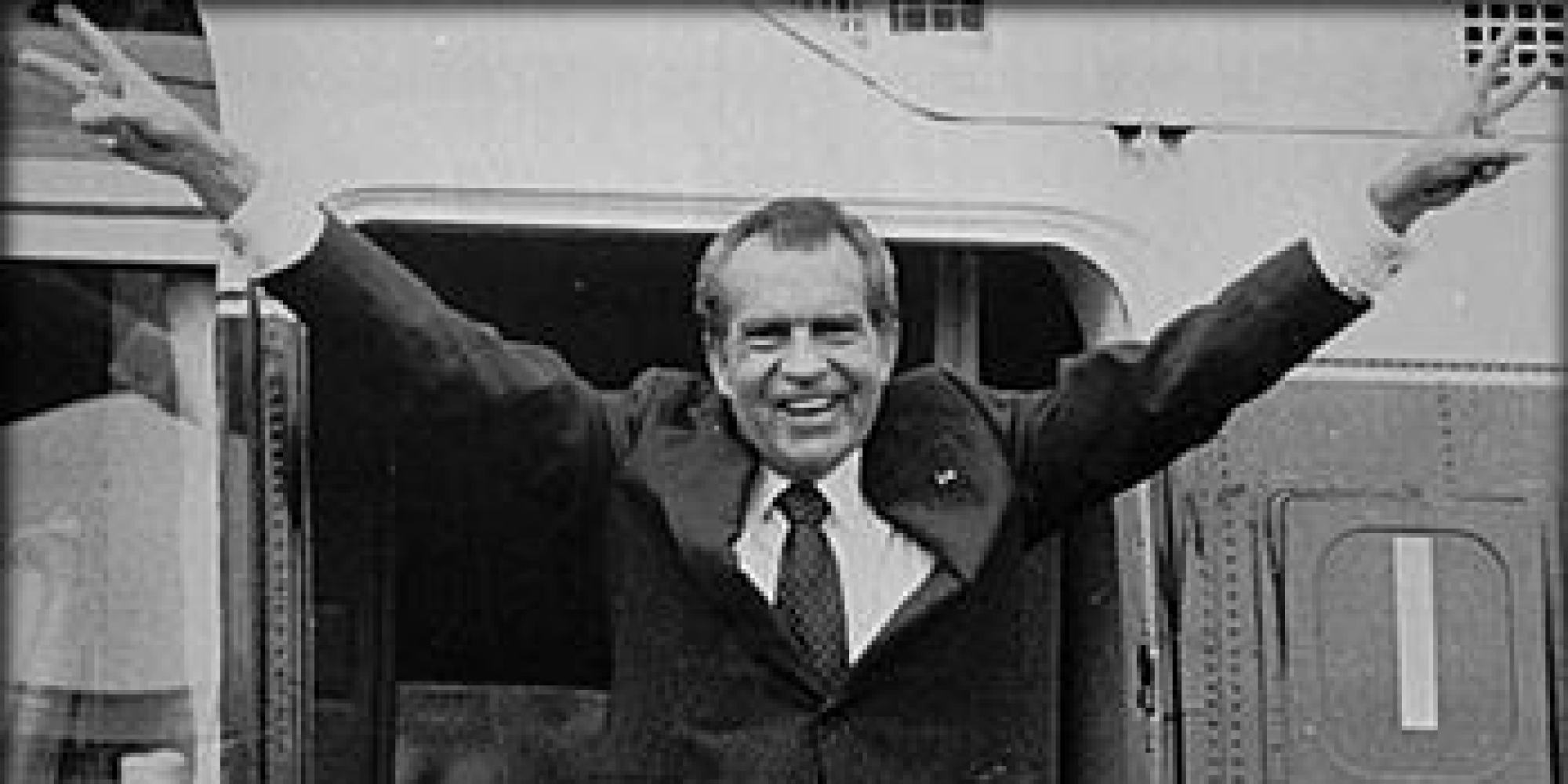
No one is above the law...not even the president.
Bush v. Gore
Marbury v. Madison
Miranda v. Arizona
U.S. v. Nixon
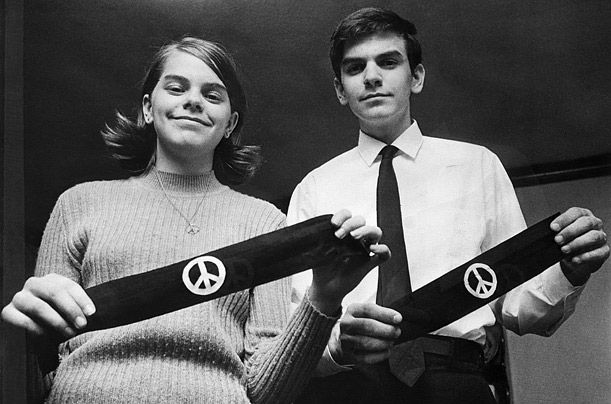
Students have the right to free speech at school as long it doesn’t disrupt school activities. (wearing black armbands in protest)
In Re Gault
District of Columbia v Heller
Hazelwood v Kuhlmeier
Tinker v Des Moines
Allowed for the censorship (blocking) of materials / stories written in school newspapers.
Plessy v Ferguson
Tinker v Des Moines
Marbury v Madison
Hazelwood v Kuhlmeier


This Supreme Court Case established that schools may search student's property if they have a "reasonable suspicion" that a school rule has been broken or the student is engaging in something illegal.
Mapp v. Ohio
New Jersey v. TLO
Vernonia School District v. Aton
Westside Community Schools v. Mergens

