wayground logo

Free Printable Worksheets

NEW

Font size

S
M
L
XL
Worksheets

Law of Conservation of Mass

Total questions: 25

Worksheet time: 20mins

Name
Class
Date
1.
Matter can not be created nor destroyed: it can only be
a)
Destroyed a little bit
b)
Invisible
c)
Transformed, changed
d)
None of the above
2.
What is the Law of Conservation of mass?
a)
Mass is created in a chemical reaction
b)
Mass is created in a physical change
c)
New chemicals formed from a chemical reaction have a larger overall mass than the original reactants
d)
Mass is never created or destroyed
3.
What is the law of conservation of mass?
a)
The amount of matter changes when reacted or changed.
b)
The mass of all reactants are changed during a physical or chemical change
c)
The mass of the reactants equals the mass of the products
d)
The mass of the products is different than the mass of the reactants.
4.

Which of the following describes a chemical reaction?

a)

Oxygen interacts with iron to form rust

b)

Ice melts into water

c)

Carbon dioxide freezes to make dry ice

d)

Rocks split apart over many years due to weathering

5.

What do we call the chemicals that result from a chemical reaction?

a)

reactants

b)

products

c)

subscripts

d)

coefficients

6.
Substances present at the start of a chemical reaction
a)
subscripts
b)
coefficients
c)
reactants
d)
products
7.
Is melting butter for popcorn a chemical or physical change?
a)
chemical
b)
physical
8.
Which of the following is a sign that a chemical reaction has occurred?
a)
change in shape
b)
melting
c)
formation of a gas
d)
dissolving
9.
What will weigh more when a chemical change is complete?  The reactants before the chemical reaction, or the product after the reaction is complete?
a)
They both will weigh the same
b)
The product always weighs more than the reactant
c)
The reactant will weigh more than the product
d)
They both will loose mass after the reaction
10.
Students react baking soda & vinegar.
Which of the following would provide the evidence that the number of atoms present before a chemical reaction is equal to the number of atoms present after the chemical reaction?
a)
The mass of the plastic bag, baking soda, and vinegar before the reaction was equal to the mass after the reaction.
b)
Bubbles were produced during the reaction, which meant that a gas was being produced.
c)
The plastic bag did not change in any way, indicating that it was not involved in the reaction.
d)
The mass of the baking soda was exactly equal to the mass of the vinegar used to create the chemical reaction.
11.
Endothermic reactions...
a)
release energy
b)
explode
c)
take in energy
d)
have higher energy in their reactants than the products
12.
Exothermic reactions
a)
have higher energy in their products than their reactants
b)
release energy
c)
get cold
d)
are synthesis reactions
13.

A Chemical Change is also known as what?

a)

Physical Change

b)

Physical Property

c)

Chemical Reaction

d)

Chemical Property

14.

A green powder is heated & a gas is given off while it turns to a black solid. This describes

a)

Physical Change

b)

Chemical Change

c)

Change in State

d)

Change in Temperature

15.

If the chemical properties of a substance remain unchanged & the appearance or shape of an substance changes it is a...

a)

Chemical Change

b)

Physical Change

c)

Both a physical and chemical change.

d)

Neither a physical or chemical change.

16.

Which of the following is an example of a physical change?

a)

A glass falling and shattering on the floor.

b)

Baking a birthday cake.

c)

Burning a piece of paper.

d)

Baking soda and vinegar mixing together.

17.

When a new substance is formed with different properties than the original substance it is called a...

a)

Chemical change

b)

Physical change

c)

Change in State

d)

Change in appearance only.

18.

Which is not a clue that could indicate a chemical change has occurred?

a)

Change in color

b)

Change in shape

c)

Release of energy

d)

Formation of an odor

19.

During Chemical Reactions, the new substances created are called?

a)

Precipitate

b)

Corrosion

c)

Reactants

d)

Products

20.

During Chemical Reactions, the substances that are used are called?

a)

Precipitate

b)

Corrosion

c)

Reactants

d)

Products

21.

What happens to atoms after a chemical change?

a)

They remain in the same place.

b)

They become bigger.

c)

They bond in different ways.

d)

They dissolve to form a mixture.

22.
In physical changes, substances might change in __________ but not in __________.
a)
appearance, composition
b)
volume, state of matter
c)
texture, color
d)
weight, mass
23.
On a camping trip, Mrs. Benavides roasts a marshmallow in the campfire. She notices that the roasted marshmallow smells and tastes differently than the uncooked marshmallows. What change has taken place, and how does Mrs. Benavides know?
a)
a chemical change because the marshmallow changed in taste, color and smell
b)
no change because the marshmallow is not a new substance
c)
only a physical change because the marshmallow changed in size
d)
a chemical change because the marshmallow only changed in pH level
24.
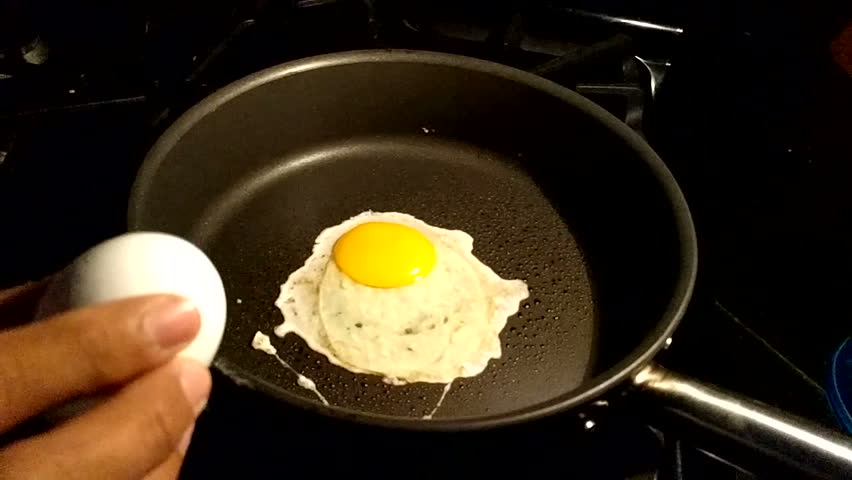
Baking bread and cooking an egg are examples of....?
a)
Endothermic processes
b)
Exothermic processess
c)
None of these 
25.

_____ reactions usually feel hot!

a)

endothermic

b)

exothermic