
 Worksheets
2nd 6 Weeks Knowledge
Total questions: 75
Worksheet time: 1hrs 10mins
In which kind of nonfiction, does the author tell their own life story?
autobiography
biography
When contrasting two topics, the author is looking for . . .
differences
similarities
When comparing two topics, the author is looking for . . .
differences
similarities
Which is NOT a reason that a writer would choose to write? (The author's purpose)
to inform or explain
to entertain or persuade
to reveal a truth or share an experience
to bore and make weary
A label or brief explanation that accompanies a photograph or an illustration.
caption
sidebar
headline
direct quotation
central idea
Parts of a newspaper article, magazine article, textbook, web page, or other type of text, beyond the main article or story, that help you better understand what you read like photographs, captions, bullet points, sidebars, and subheads.
text evidence
text features
text structure
The way an author organizes information in a text. The five main types include: description, sequence, problem and solution, cause and effect, and compare and contrast.
text evidence
text features
text structure
A type of text structure where the author lists items or events in chronological order (in other words, in the order in which they happen) or presents the reader with step-by-step directions.
description
sequence
problem and solution
cause and effect
compare and contrast
What is a NONFICTION text?
Writing that is created from the imagination
Writing that is based on facts, real events, real people, and true stories.
Which are examples of NONFICTION texts? (select all that apply!)
History Books
Travel Guides
Science Fiction
Textbooks
Which is an example of a NONFICTION book?
A novel about a 12 year old who learned to bake cake on Mars
A cookbook with recipes for different types of cakes
What does a CAPTION describe, and where is it located?
What's going on in a picture; it's located at the very top of the text in big letters.
Who took a picture; it's located next to or underneath the picture.
What's going on in a picture; it's located next to or underneath the picture.


Which POV uses "I, me, and my" to tell a story?
1st person
2nd person
3rd person objective
3rd person omniscient
Which POV uses "you" and "your" to tell a story?
1st person
2nd person
3rd person limited
3rd person objective
Which POV uses "he, she, and them" to tell a story? Check all that apply.
1st person
2nd person
3rd person omniscient
3rd person objective
In 3rd person objective, you get to know the thoughts and feelings of...
1 character
all characters
3 characters
none of the characters
In 3rd person limited, you get to know the thoughts and feelings of...
1 character
2 characters
none of the characters
all of the characters
In 3rd person omniscient, you get to know the thoughts and feelings of...
none of the characters
2 character
1 character
all of the characters
Which of the following is not considered when determining a text's POV?
character feelings
words used; I, you, he/she/them
perspective
dialogue between characters
Identify the point of view: Once you have the cake in the oven, start to make the whipped cream frosting.
1st Person
2nd Person
3rd Person Limited
3rd Person Omniscient
Identify the point of view: I walked towards the bus stop, hoping to not see Maria. She told everyone my biggest secret, and I was never going to forgive her.
1st Person
2nd Person
3rd Person Objective
3rd Person Limited
Identify the point of view: Amy sprinted as fast as she could with her neighbor's dog running right behind her. Amy was terrified of him, and thought he would bite her. In reality, the dog just wanted to play and thought of Amy as a friend.
1st Person
2nd Person
3rd Person Omniscient
3rd Person Limited
Identify the point of view of the following excerpt: "As Teresa walked down the hall, Victor walked the other way, looking back, admiring how gracefully she walked, one foot in front of the other. So much for being in the same class, he thought" (Soto).
1st Person
2nd Person
3rd Person Omniscient
3rd Person Limited
Identify the point of view: It was a very dark and gloomy morning. A dense fog slowly crept over the rolling hills towards the little village. One man watched the fog intently not knowing the danger that lurked inside.
1st Person
2nd Person
3rd Person Limited
3rd Person Objective
Identify the point of view: Make sure you wash your hands for at least 20 seconds before you go to your eat lunch.
1st Person
2nd Person
3rd Person Limited
3rd Person Objective
Identify the point of view: "A pain stabs my left temple and I press my hand against it. Right on the spot where Johanna Mason hit me with the coil of wire. The memories swirl as I try to sort out what is true and what is false" (Collins).
1st Person
2nd Person
3rd Person Limited
3rd Person Omniscient
Identify the point of view: "Jonas went to his own desk and began to sort through his school papers from the evening's assignment. But his mind was still on December and the coming Ceremony. Though he had been reassured by the talk with his parents, he hadn't the slightest idea what Assignment the Elders would be selecting for his future..." (Lowry).
1st Person
2nd Person
3rd Person Omniscient
3rd Person Limited
Identify the point of view: "People call me the Freeway Gorilla. The Ape at Exit 8. The One and Only Ivan, Mighty Silverback. The names are mine, but they're not me. I am Ivan, just Ivan, only Ivan" (Applegate).
1st Person
2nd Person
3rd Person Limited
3rd Person Objective
Identify the point of view: "'We've got Father and Mother and one another,' said Beth. Beth was the shy one. She always looked on the bright side of things. 'We haven't got father,' said Jo sadly... The girls were suddenly silent. Light from the fire shone on their faces. They were thinking of Father" (Alcott).
1st Person
2nd Person
3rd Person Omniscient
3rd Person Limited
What is the solution?
What is the problem?
What is the cause in this paragraph?
I don't understand what we are doing.
How does a caption help a reader understand an informational text?
It provides the reader with an image to show a visual representation of the text
it provides the meaning of a word
It summarizes the overall meaning of the text
It explains a photograph or illustration and gives information that may not be in the text
Lists the major parts of the book along with their page numbers, helps readers to locate information in a book or magazine and see how everything is organized, located in the front of the book.
title
glossary
table of contents
captions


I have a flight scheduled to leave at 10:00 am.

We had the chance to float down the river in an old dugout canoe.

The sugar cube began to melt when it was placed in the hot coffee.

We took the boat through a small passage on the river.

My family and I went on a retreat to the mountains for the weekend.

What type of conflict is this?

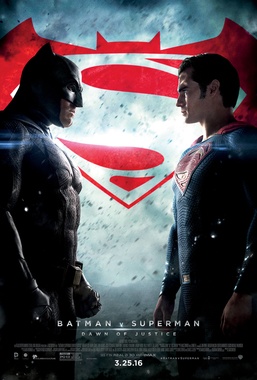
What type of conflict is shown in the picture?
Man vs Man
Man vs Nature
Man vs Society
Man vs Self
Which is important to setting?
WHERE a story takes place
WHEN a story takes place
Both where AND when
Which sentence is NOT about the setting?
John entered a dark room.
John shivered in the cold.
John was very frightened.
Which one of these is NOT an element of setting
Time
Place
Conflict
Mood
Time in a setting can refer to all of the following EXCEPT
A time period
How much time passes in the story
Time of day
How long it takes you to read the story
"Place" in a setting can refer to all of the following EXCEPT
The location of the story
Where you are when you read the story
The country the story takes place in
The city the story takes place in
Why is the setting important? Click all that apply:
It impacts the characters
It impacts the plot
It impacts the mood
It impacts the conflict

