
Font size
 Worksheets
Figurative Language 1st & 2nd 9 Weeks
Total questions: 21
Worksheet time: 21mins

the practice of using an object, color, or a word to represent an abstract idea
allegory
allusion
paradox
symbolism
explains an idea by comparing it to another thing that is more familiar, relatable, or visual
Ex: Time is money, so spend it wisely.
allusion
analogy
metaphor
simile
a brief and indirect reference to a famous person, place, thing, or idea
Ex: Chocolate cake is my Achilles' heel!
Ex: She's a good swimmer, but she's no Ariel.
allusion
allegory
paradox
symbolism
when human qualities are given to non-human things (animals, objects, ideas, etc.)
allusion
hyperbole
idiom
personification
a metaphor that is developed through several lines of writing or throughout an entire poem
Ex: Hope is the thing with feathers
That perches in the soul,
And sings the tune - without words,
And never stops at all,
And the sweetest in the gale is heard;
And sore must be the storm
That could abash the little bird
That kept so many warm.
I’ve heard it in the chilliest land,
And on the strangest sea;
Yet, never, in extremity,
It asked a crumb of me.
allegory
allusion
extended metaphor
paradox
an implied or hidden comparison between two unlike things that does not use like or as
idiom
extended metaphor
metaphor
simile
a comparison between two unlike things using like or as
idiom
metaphor
personification
simile
a statement that may seem absurd or contradictory but yet can be true, or at least makes sense
Ex: The more you try to keep someone close, the further away you’ll push them.
allegory
allusion
paradox
symbolism
a combination of words (usually two) that seem to contradict each other
idiom
personfication
oxymoron
simile

a common expression that is not meant to be taken literally
idiom
oxymoron
personification
simile
occurs when the result of a situation is totally different from what you'd expected
Ex: The fire station is burning down.
Ex: A post on Instagram saying that social media is a waste of time.
litotes
oxymoron
sarcasm
situational irony
a type of verbal irony where what is said is directly opposite to what is meant and is used in order to mock, ridicule or express contempt
litotes
paradox
sarcasm
situational irony

an exaggeration for dramatic effect
hyperbole
metaphor
personification
simile
The practice of using an object, color, or word to represent an abstract idea. An action, person, place, word, color, or object can all have a symbolic meaning
allegory
verbal irony - litotes
hyperbole
symbolism
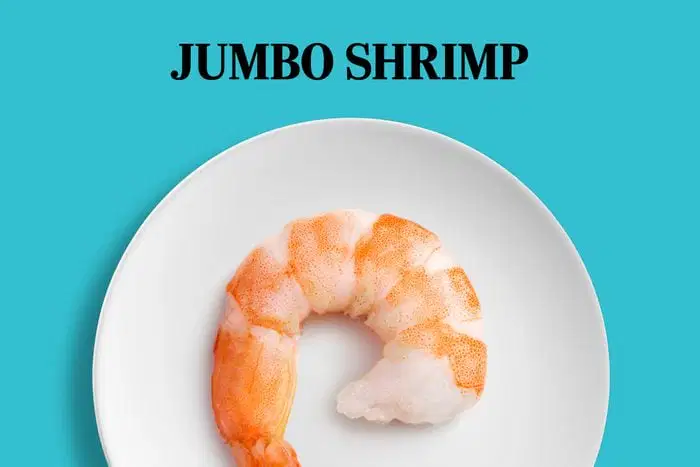
a figure of speech created by combining two contradictory words
paradox
simile
oxymoron
irony
a series of words that begin with the same consonant sound
Ex: The sly snake slithers slowly in the sand.
metaphor
allusion
personification
alliteration
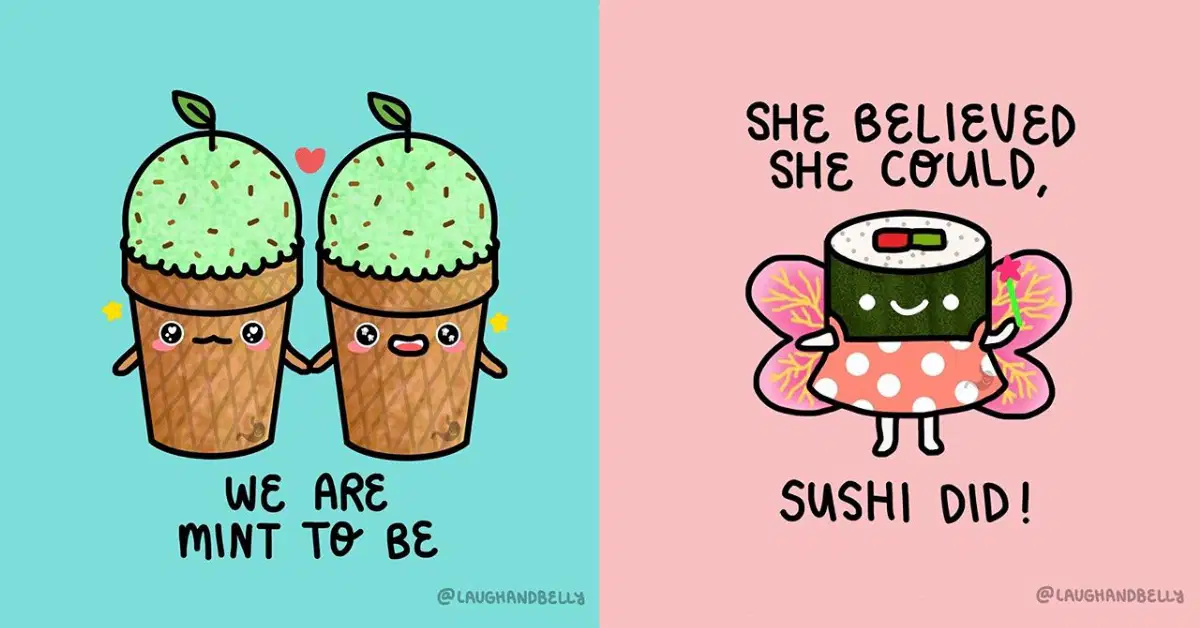
a word or phrase the uses multiple meanings of a word or similar sounding words, usually used as a joke
pun
situational irony
paradox
onomatopoeia
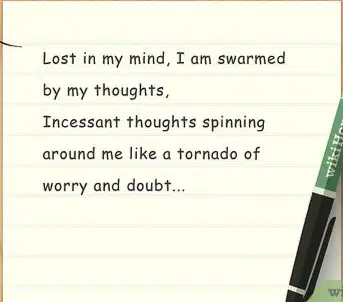
What 2 types of figurative languages are in this poem?
Irony
Simile
Alliteration
Imagery
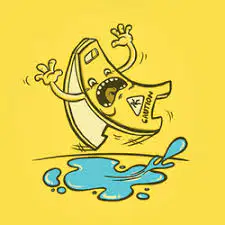
This is an example of...
Situational Irony
Paradox
Simile
Allusion
What is the allusion in "Well, I’m no Hercules, but I could open that jelly jar for you"?
Jelly
Hercules
Jelly Jar
Well
What type of figurative language is...
"What a pity that youth must be wasted on the young." - George Bernard Shaw
Metaphor
Sarcasm
Hyperbole
Paradox

