
 Worksheets
4th Summative Test in General Biology 1
Total questions: 20
Worksheet time: 14mins
What do you call to the movement of water across a membrane?
Diffusion
Endocytosis
Exocytosis
Osmosis
When an animal cell put in a hypotonic environment, what would happen to the cell?
An animal cell will swell
An animal cell will shrink
An animal cell will secrete enzymes
An animal cell will remain unchanged
In which solution will water move into and out of the cell at the same rate?
Hypertonic
Hypotonic
Isotonic
Plasmolysis
Which of the following transport processes moves the molecules against a concentration gradient?
Active transport
Diffusion
Facilitated diffusion
Osmosis

What type of cell transport is illustrated above?
Diffusion
Endocytosis and Exocytosis
Facilitated Diffusion
Osmosis
When cells take in food particles through active transport, is it called as _________.
Exocytosis
Osmosis
Phagocytosis
Pinocytosis
Cell drinking process is known as ______________.
Phagocytosis
Pinocytosis
Exocytosis
All of the above
Which of the following are examples of endocytotic bulk transport? Select all that apply!
Phagocytosis
Phagolysis
Pinocytosis
Receptor-mediated
Exocytosis
Which type of bulk transport utilizes pseudopods to engulf large particles?
Phagocytosis
Pinocytosis
Receptor-mediated endocytosis
Exocytosis
__________ uses protein-coated vesicles and a lock-and-key mechanism to bring materials into the cell.
Phagocytosis
Pinocytosis
Receptor-mediated endocytosis
Exocytosis
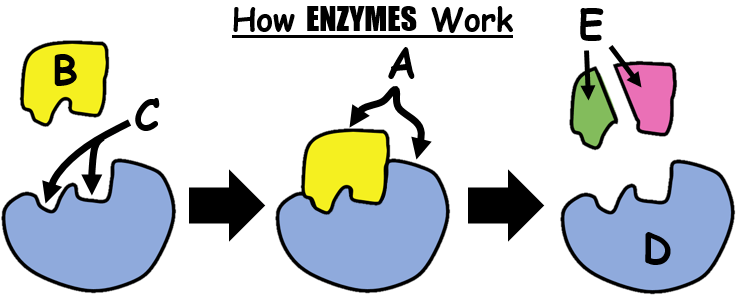
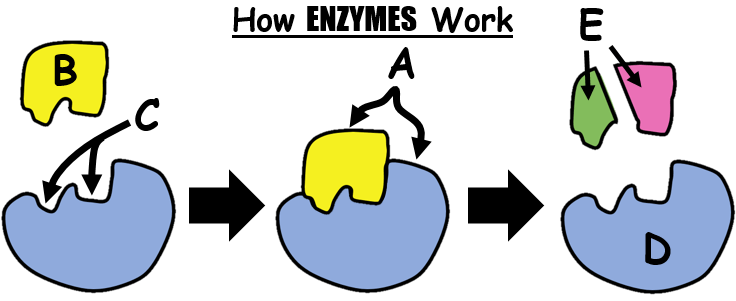

Enzymes in your body probably work best at which of the following temperatures>
25oC
98oC
37oC
210oC
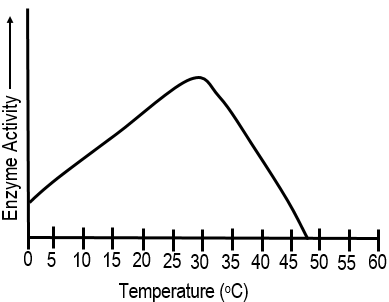
Which 2 factors can affect the rate of enzyme activity?
Light intensity
Temperature
pH
Oxygen concentration

