
 Worksheets
Living Systems Review
Total questions: 25
Worksheet time: 10mins
The body system that helps you break down food into nutrients that your body can use is the ____________________ system.
Nervous
Digestive
Muscular
Circulatory
Humans breathe out ___________________________. Plants use this gas to help make their own food.
carbon monoxide
carbon oxygen
oxygen
carbon dioxide
Single cell organisms are called _______________ organisms. Since they only have one cell, they do NOT NEED TRANSPORT SYSTEMS.
unicellular
transport
multicellular
many cellular
The ___________ system controls all of the over body systems. It consists of the brain, neurons, and the spinal cord.
skeletal
muscular
circulatory
nervous
A _____________________ organism is made up of two or more cells. These types of organisms need transport systems to assist with the basic life functions.
unicellular
transport
multicellular
plant
The __________________system circulates nutrients and oxygen throughout your body. The heart is the main organ of this system and your blood is what circulates the nutrients and oxygen.
circulavascular
circulatory
muscular
digestive
The lungs are one of the main organs of the ______________ system, the system that helps you breathe.
nervous
muscular
cardiovascular
respiratory
One of the main jobs of the ____________________ system is to give your body shape and structure. An additional job of this system is to protect organs.
circulatory
digestive
muscular
skeletal
The skeletal system and the ________________ system work together to help your body move.
muscular
digestive
circulatory
skeletal
Which of the following is the correct order of cellular organization?
cell -- tissue -- organ system -- organism -- organ
cell -- tissue -- organ -- organ system -- organism
organism -- organ system -- organ -- tissue -- cell
cell -- organ -- tissue -- organ system -- organism
Which human body system is also known as the circulatory system?
excretory
digestive
circulatory
nervous
A group of organs that work together to perform a specific function is a(n) _____________?
organism
organ system
organ
tissue
The lungs are the main structure of this body system. What system is it?
skeletal
excretory
respiratory
circulatory
The main difference between the respiratory system and circulatory system is:
The respiratory system takes in carbon dioxide from our surroundings and the circulatory system transports carbon dioxide and nutrients to the cells.
The respiratory system takes in oxygen from our surroundings and the circulatory system transports carbon monoxide to the cells.
The circulatory system takes in oxygen from our surroundings and the respiratory system transports oxygen and nutrients to the cells.
The respiratory system takes in oxygen from our surroundings and the circulatory system transports oxygen and nutrients to the cells.
In the small intestine, food is changed into nutrients and then absorbed into the body to be transported to the cells. Which of the following correctly describes the two body systems working together?
digestive and excretory
digestive and circulatory
excretory and circulatory
circulatory and nervous
Nora was playing soccer but ended up getting slide tackled and injured her leg. What body system is responsible for sending pain signals to the brain?
respiratory
excretory
digestive
nervous
How is the circulatory system of humans similar to the vascular system of plants?
They both transport water and nutrients to the cells and help with the elimination of waste.
They both transport waste to the cells and help digest food
They both send signals throughout the system and help break down food
They both transport oxygen to the cells and help with sending signals to the brain
A(n) ______________ is the smallest unit and function of life.
organism
organ
tissue
cell
Fill in the missing parts of the organization of cells:
cell -- _______ -- organ -- _______ -- organism
organ system; tissue
tissue; organ system
tissue; organ
organ system; cell

How are the animal and plant cells different?
The plant cell has cytoplasm.
The plant cell has a cell wall.
The animal cell has a nucleus.
The animal cell has a vacuole.
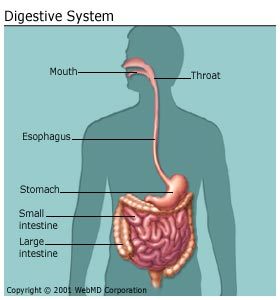

Where are most nutrients absorbed during digestion?
Small Intestine
Stomach
Large Intestine
Esophagus

