
 Worksheets
Absolutism, Enlightenment, + Revolutions REVIEW
Total questions: 76
Worksheet time: 49mins
When a monarch has complete control over their country and people
Absolute Monarch
Dominant Monarch
Theocratic Monarch
Tough Love Monarch
This theory was used by the monarchs of Europe to justify why they were able to control all the power over their people.
Social Contract Theory
Natural Rights Theory
Divine Right Theory
Liberty Equality Theory
What was the Enlightenment?
The idea that Kings and Queens are horrible leaders and the Enlightenment was the removal of these corrupt monarchs
A new approach to problem solving using science and logic to form quality solutions to societal issues such as government
The new laws formed before the French Revolution that gave the church and monarchs unlimited power
A new approach to using the Bible and religious texts as a way to form solutions to societal issues such as government
Which of the following Enlightenment ideas did John Locke originate during this era?
Checks and Balances
Natural Rights
Freedom of Speech and Religion
Popular Sovereignty
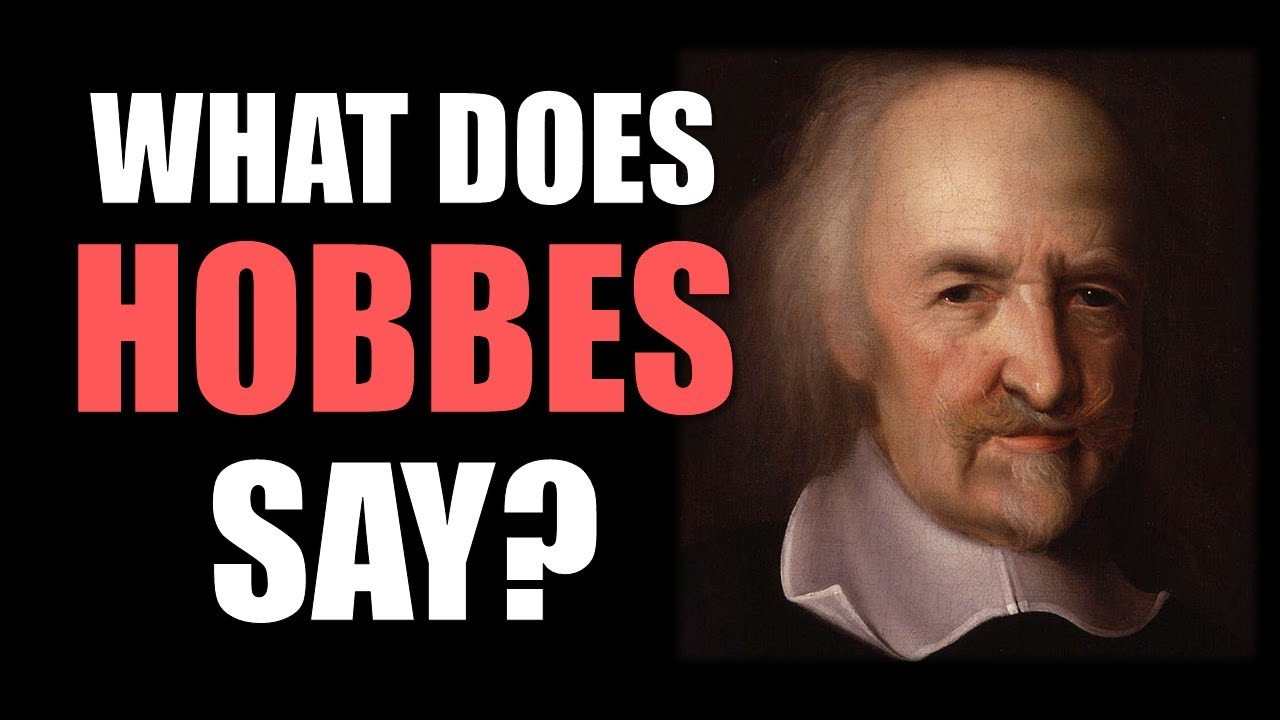
Which of these statements is most likely to be made by a proponent of natural law and natural rights?
God grants monarchs the authority to rule and the duty to give people their rights.
People are irrational, so science is useless in figuring out human behavior.
History teaches that individual freedom is an impossible goal.
Government does not grant rights; it protects them.

Rousseau wrote, “Man is born free, and everywhere he is in chains.” What kind of government did he favor in order to ensure greater freedom?
an absolute monarchy
an enlightened monarchy
an oligarchy
a popularly elected government

“We hold these truths to be self-evident, that all men are created equal, that they are endowed by their Creator with certain inalienable rights, that among these are life, liberty, and the pursuit of happiness . . .”— The Declaration of Independence
Which Enlightenment thinker most directly influenced the notion expressed in this passage?
Thomas Hobbes
John Locke
Jacques Bossuet
Baron de Montesquieu
Which of the following Enlightenment ideas did Voltaire originate during this era?
Checks and Balances
Natural Rights
Freedom of Speech
Popular Sovereignty
Which of the following Enlightenment ideas did Montesquieu originate during this era?
Checks and Balances
Natural Rights
Freedom of Speech
Popular Sovereignty

An agreement by which people give up their freedoms for an organized society.
laissez-faire
natural rights
social contract
natural law

Rights that belong to all humans at birth
laissez-faire
natural rights
social contract
natural law

Social gatherings where “Enlightenment” ideas were informally discussed and spread...
debates
clubs
coffee shops
salons

Absolute monarchs who used their power to bring about political and social change...
Enlightened despots
philosophers
social contractors
limited monarchs

How did absolute monarchs who disagreed with the Enlightenment try to stop ideas from being spread?
laissez-faire
censorship
writing books
declaring rights of man
All of the following were contributions made by Louis XIV EXCEPT...
He created a large debt for France due to his lavish lifestyle
He persecuted the citizens of France who did not follow the Catholic religion
He entered France into many wars which added to their extensive debt.
He helped the people of France by purchasing food from their European neighbors
Bankers, doctors, lawyers, and merchants were members of the _____, or French middle class.
Robespierre
Napoleonic Code
bourgeoisie
Louis XVI
Who made up the First Estate in French Society?
Peasants, Farmers and Common People
Members of the Roman Catholic Church
Extremely wealthy French citizens
Members of Parliament and the Royal Family
In French society, which estate was forced to pay more taxes than the rest?
Second Estate
Third Estate
Second and Third Estate
First and Third Estates

Which entry on this chart applies to the First Estate, rather than the Third Estate?
Included prosperous bourgeoisie
Included urban workers
Were subject to the corvée
Paid few taxes
The King of France during the French Revolution. He was considered a weak, ineffective, & unprepared ruler.
Robespierre
Napoleonic Code
bourgeoisie
Louis XVI
Why were French citizens so upset with Marie Antionette?
She was more concerned with her own personal lifestyle than that of her people
She added to the debt by forcing her husband to travel across Europe searching for the most luxurious fashion supplies
She was seen ignoring starving children outside the palace and the story made the news
She would constantly manipulate King Louis XVI into making poor financial decisions for France
Which of the following was NOT an example of King Louis' XVI poor leadership decisions?
Providing aid and money to help the American Revolution
Purchasing old farm equipment and seeds that never really helped the farmers recover
Constantly wasted money on luxurious items and parties
Allowing Marie Antionette to continue her expensive personal shopping
Which of the following was NOT considered a cause of the French Revolution?
Unfair tax system
Spreading of Enlightenment Ideas
Corruption of the Roman Catholic Church
Poor economy combined with harsh weather conditions
What was significant about the Estates General Meeting in France?
King Louis XVI is forced off the throne and exiled
Corrupt Roman Catholic church members are executed to set an example to the people of France
An unfair voting method is created to where the First and Second estates can always out vote the Third estate
The decisions made from this meeting directly leads to the Storming of the Bastille
What was the Tennis Court Oath in the French Revolution?
An agreement of the third estate to create a new body of government and constitution
An attempt by King Louis XVI to negotiate a truce between all three estates
A secret meeting between the second and third estates which forms the first plan to get rid of King Louis XVI
An oath made between France and America to repay the debts from the American Revolution
The most radical leader during the French Revolution & was the leader during the Reign of Terror.
Robespierre
Napoleonic Code
bourgeoisie
Louis XVI

“Terror is only justice prompt, severe and inflexible; it is then an emanation of virtue; it is less a distinct principle than a natural consequence of the general principle of democracy, applied to the most pressing wants of the country.”—Maximilien Robespierre, 1794
The viewpoint expressed in this quotation was most directly put into action through the...
corvée
guillotine
Napoleonic Code
Constitution of 1795
The laws of the _____ included many Enlightenment ideas like equality of all citizens and religious freedom.
Robespierre
Napoleonic Code
bourgeoisie
Louis XVI
Under Napoleon’s rule, women lost many of the rights they had gained during the Revolution.
True
False

“General Famine and General Winter, rather than Russian bullets, have conquered the Grand Army.”—French general Michel Ney
What was an immediate result of the event described in the above quotation?
Napoleon surrendered and was sent into exile.
The French monarchy was restored to power.
Napoleon abdicated his throne
Napoleon established the Continental System.

One similarity between the French and American Revolutions is that they both started because of an unfair tax burden.
True
False
Wanted to make England independent of the Catholic Church
Oliver Cromwell
Charles II
Henry VIII
Catherine the Great
Which nation in the western hemisphere was the first to abolish slavery?


What country is this?
Russia
Germany
Ukraine
France

Who is this "Great" Tsar in Russian History?
St. Peter
Peter I
Ivan IV (Ivan the Terrible)
Henry VIII

What city was built in a swamp connected to the Baltic Sea, that became the "New" Capital of Russia in 1703-1917. Also know as "The City built on Bones."
Moscow
Amsterdam
London
St. Petersburg

Which of the following is the best definition of Westernization?
A transition of dress and customs to that of American Cowboys
Expanding a countries borders
Converting to the customs and practices of Western European civilization.
Focusing a countries attention more toward farming and cattle herding

What did Peter the Great do to those who opposed his transformation of Russia in the Early 1700s?
He praised them for their use of Democracy
He allowed them freedom of speech but wanted them to leave
He killed, imprisoned, and enslaves those who opposed him
He tried desperately to convince them to join his cause

The actions described in the passage above demonstrate Peter the Great’s attempts to
Convert Russia to Islam
Improve Russia’s military
Westernize Russia
Model Russian culture after the Ottoman Empire

