
 Worksheets
CMS RL.2.5 Vocabulary
Total questions: 25
Worksheet time: 25mins
Which text structure provides details or characteristics about a topic?
cause/effect
problem/solution
chronological/sequence
compare/contrast
description
Which text structure tells what happened and why it happened?
cause/effect
problem/solution
chronological/sequence
compare/contrast
description
Which text structure provides a problem and describes how it can be or is solved?
cause/effect
problem/solution
chronological/sequence
compare/contrast
description
Which text structure tells the order in which events occur or steps in a process?
cause/effect
problem/solution
chronological/sequence
compare/contrast
description
Which text structure shows similarities and differences between two or more things?
cause/effect
problem/solution
chronological/sequence
compare/contrast
description
Which clue words or phrases would an author most likely use when writing a cause/effect passage?
first, next, then, last, year, dates
as a result, because, when, if, then, consequently
problem, solution, resolution, dilemma
on the other hand, similarly, like, unlike, however
for example, in fact, for instance, most importantly
Which clue words or phrases would an author most likely use when writing a description passage?
first, next, then, last, year, dates
as a result, because, when, if, then, consequently
problem, solution, resolution, dilemma
on the other hand, similarly, like, unlike, however
for example, in fact, for instance, most importantly
Which clue words or phrases would an author most likely use when writing a chronological/sequence passage?
first, next, then, last, year, dates
as a result, because, when, if, then, consequently
problem, solution, resolution, dilemma
on the other hand, similarly, like, unlike, however
for example, in fact, for instance, most importantly
Which clue words or phrases would an author most likely use when writing a compare/contrast passage?
first, next, then, last, year, dates
as a result, because, when, if, then, consequently
problem, solution, resolution, dilemma
on the other hand, similarly, like, unlike, however
for example, in fact, for instance, most importantly

Which clue words or phrases would an author most likely use when writing a problem/solution passage?
first, next, then, last, year, dates
as a result, because, when, if, then, consequently
problem, solution, resolution, dilemma
on the other hand, similarly, like, unlike, however
for example, in fact, for instance, most importantly
What does structure mean in our class?
refers to how the author organizes the text's information
the way poetry is written with rhymes and rhythm
the way you read the text
having a correct grammar
Poetry is written in
lines
sentences
incomplete sentences
English
The "paragraph" of a poem is called a
stanza
line
simile
rhyme scheme
What does it mean to contribute to something?
add to
take from
create
throw away
Repetition is when
a word, phrase, or idea comes up again and again
When words at the end of a poem rhyme (make the same sound)
A character speaks to the reader directly
You learn a lesson from a story
What is free verse?
Poetry that does not have a regular meter or rhyme scheme
A poem that praises something
A poem that mourns the loss of someone
Poetry about a hero
What is rhythm?
Something the teacher doesn't have
The pattern of stressed and unstressed syllables
The beat of a poem
A way to rhyme difficult words
What is a sonnet?
Two consecutive lines of poetry that rhyme
14 line poem
A four line stanza
an unstressed syllable followed by a stressed syllable
STYLE is___________________
the way something is written.
created by word choice, sentence structure, and imagery.
Not what is said, but how it is said.
all of the above
Vast: of very great extent or quantity; immense.
Synonyms: huge, extensive, limitless
Which sentence below uses the word vast correctly?
The fields were vast, it would only takes us a few minutes to cross them.
She looked at the view from the mountain top and admired the vast expanse of land below her.
Her options were vast. She literally could choose any destination she wanted.
The vast dog ran across the backyard and leapt into the pool.
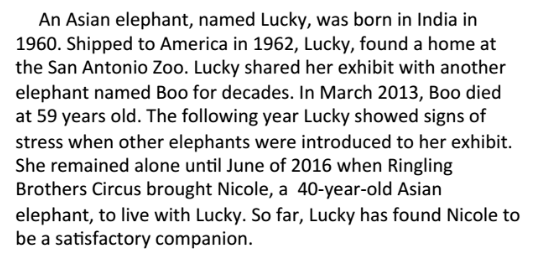


IDENTIFY THE TEXT STRUCTURE: Linux and Windows are both operating systems. Computers use them to run programs. Linux is totally free and open source, so users can improve or otherwise modify the source code. Windows is proprietary, so it costs money to use and users are prohibited from altering the source code.
compare and contrast
problem and solution
sequence
chronological

