
 Worksheets
WH Topic 10 Test Review
Total questions: 15
Worksheet time: 8mins
features of Renaissance Art
mythological and spiritual themes
realistic depictions of human forms
stylized depictions of human forms
flat dimensions and lack of perspective
A new, step-by-step scientific method resulted, based on inquiry, experimentation, and observation was a result of the scientific contributions of
Francis Bacon and Robert Boyle
Isaac Newton and Galileo Galilei
Johannes Kepler and Rene Descartes
Rene Descartes and Francis Bacon
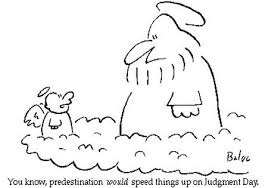
What is Predestination?
Belief that you are in control of your own destiny
Belief that God has already decided your destiny
Which of the following was NOT a complaint against the Catholic Church.
They were corrupt
Popes cared more about money and power than spiritual matters.
They sold indulgences.
They gave away too much money to the poor.
attitude, or way of life centered on human interests or values especially : a philosophy that usually rejects supernaturalism (religion) and stresses an individual's dignity and worth and capacity for self-realization through reason
spirituality
humanism
Calvinism
Protestantism
believed that good works were not enough to "earn" your way into Heaven
Martin Luther
Henry VIII
John Wycliffe
Pope Francis
What did Martin Luther nail to the doors of the Wittenberg Church?
Ninety-Five Dollars
Ninety-Five Theses
Ninety-Five Indulgences
a cross
The Renaissance changed the way people viewed themselves and the world around them encouraging people to question __________.
protestant faith
truth
scientific method
predistination
Scientist who concluded that the law of gravity is one of several natural forces that explains and governs the motion of the planets and stars.
Isaac Newton
Galileo Galilei
Johannes Kepler
Rene Descartes
These two men both translated the Bible into English
William Tyndale and John Wycliffe
Catherine of Siena and John Wycliffe
John Calvin and Martin Luther
King Henry VIII and Catherine of Siena
Who proposed the Heliocentric system?
Copernicus
Ptolemy
Aristotle
Galileo
What is the scientific method?
A systematic procedure for how to conduct a scientific experiment
The process of solving a problem
A way of making non-scientific observations
A way to summarize findings from multiple investigations
confirmed traditional Catholic teachings in opposition to Protestant beliefs
Treaty of Paris
Council of Trent
Treaty of Tordesillas

