
 Worksheets
Photography Basics
Total questions: 26
Worksheet time: 17mins
What are the common apertures, biggest opening to smallest?
f22; f16; f11; f8; f5.6; f4; f2.8; f1.4
f1; f2 ; f3; f5; f8; f11; f13; f22
f1.4; f2.8; f4; f5.6, f8, f11, f16; f22
f22; f11; f32; f8; f5.6; f3; f2.8
What does the Aperture Control?
How fast the camera takes the picture.
How much time you need to look through the lens.
How much light comes into the lens.
The controls on the back of the camera
What are the two types of depth of field?
Shallow and Great
Big and Small
Open and Closed
Blurry and Not
What are the three factors that influence depth of field?
Aperture, Focus, Space
Aperture, Distance, Focal Length
Distance, Shutter Speed, Aperture
Time, Distance, Lens
What does the shutter speed do?
Controls the amount of time the shutter opens and closes.
Controls the amount of light that enters the lens
Takes the picture
Controls how focused the image is.
What are the three types of motion
Stop Action, Running, and Slow
There are only 2 types of motion
Blurry, Follow, Running
Stop Action, Motion Blur, Panning
What are the shutter speeds from fastest to slowest?
1/125; 1/30; 1/30
1/1000, 1/500, 1/250, 1/125, 1/60, 1/30, 1/15, 1/8, 1/4, 1/2, 1
1.4; 2.8; 5.6; 8; 11; 16; 22
1; 1/2; 1/4; 1/8; 1/15; 1/30; 1/60; 1/125; 1/250; 1/500; 1/1000
How do you achieve Stop Action Photography?
Meter to subject, have them jump in the image.
Follow Subject to get directional lines
Shutter Speed 1/30 or lower, meter to subject
Shutter Speed of 1/125 or higher, meter to subject
Of the following, what aperture would be best for Shallow Depth of Field?
f22
f1.4
f16
f 11
Which f stop will give you greater depth of field?
A) f/2.8
B) f/8
C) f/16
D) f/5.6
A fast shutter speed is use to...
A) Make a picture look blurry.
B) Make the scene look like it is frozen in time.
C) Make a picture look like it is in motion.
What would you need to do to create a panning image?
Set the shutter to 1/30 or lower and place the camera on a flat surface
Set the Shutter to 1/125 and have the subject jump in the image
Set the Shutter to 1/30 or below and follow your subject as you shoot.
Chase your subject and hope the image comes out ok.
Which aperture is larger?
A) f/2.8
B) f/16
C) f/22
Abstract expressionism
sought to break away from the traditional representation of physical objects
sought to represent reality
sought to lend a visual representation of the spiritual world
All of your work in Lightroom is saved into
A catalog
A folder
A server
A book

These are your...
Photoshop stuff
Drawings
Layers
Pictures

What type of color scheme does these colors represent?
Monochromatic
Split-Complementary
Tetradic
Colors that are side by side to create a color scheme are considered to be...
Neutral colors
Analogous colors
Monochromatic colors
Cool colors
What element of art refers to how things feel or look as if they might feel?
Color
Value
Texture
Space
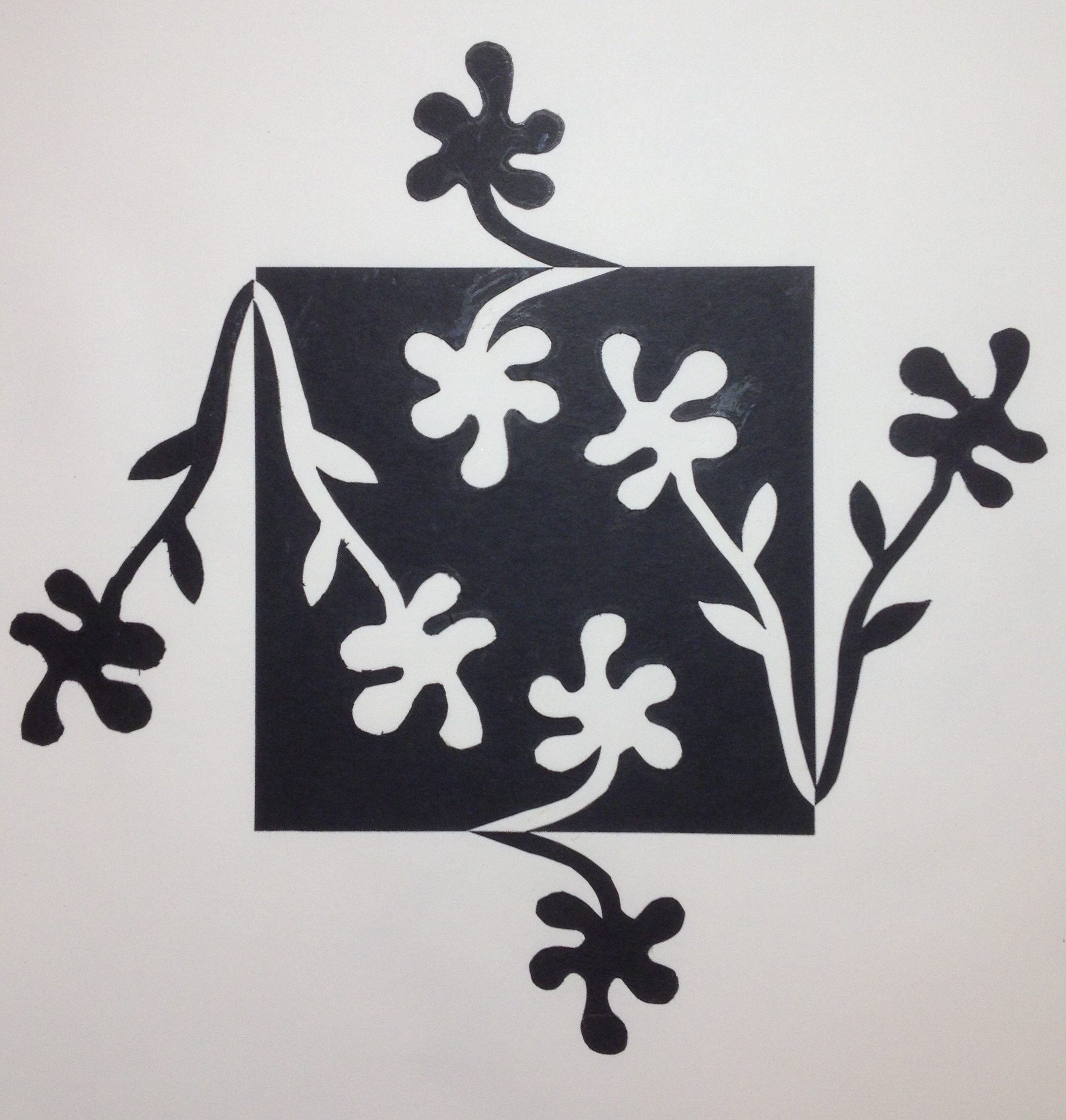
What type of shapes are created in the negative space?
Geometric
Organic
Shapes I can't draw

Are these shapes Geometric or Organic
Geometric
Organic
WHICH OF THE FOLLOWING PHOTOS IS AN EXAMPLE OF PRODUCT PHOTOGRAPHY?


WHICH OF THE FOLLOWING PHOTOS IS AN EXAMPLE OF SPORTS PHOTOGRAPHY?


What does ISO deal with?
sensitivity to light
how fast the camera opens and closes to let in light
how much the aperture opens
focusing the camera

