
 Worksheets
English 9: Unit 4: Remembering the past (Vocab + Gram)
Total questions: 120
Worksheet time: 2hrs 35mins

By tradition, weddings and _______ are considered important in Vietnam.
Theo truyền thống thì cưới xin và ma chay được coi trọng ở Việt Nam.
attendant
funeral
marriage
custom
seniority
I used to ____ a lot.
read
reading
reads
We were surprised to see her driving – she ________________
when we first met her.
didn't use to drive
got used to driving
was used to driving
I didn't use to ____ it, but I do now.
like
liking
liked
Women ____________ wear long skirts in the 19th century.
used to
are used to
got used to
Lots of Vietnamese people _____ illiterate in the past.
would be
used to be
were used to being
got used to being
What is the word "bare-footed" meaning?
chân đất
bàn chân
để trần
đi bộ
Eat (a) : ăn ngoài
enter (a) : giải trí
What is the word "occasion" meaning?
(a)
What is the word "strict" meaning?
(a)
People in the past were slower in accepting ___________
than they are today.
generations
technological changes
traditions and customs
loudspeakers
A wedding is ________________ , not only for the bride and
groom but also for other attendants as they can meet friends and relatives.
a special occasion
events
dates
traditions
I love ___________ on the beach and feeling the sand
under my feet.
going bare-footed
Using your imagination
preserving our traditions
keeping a diary

What is the game?
hide and seek
fly kites
tug of war
marble
use to be
didn't use to enjoying

I didn´t ___________ play tennis
use to
uses to
used to
use
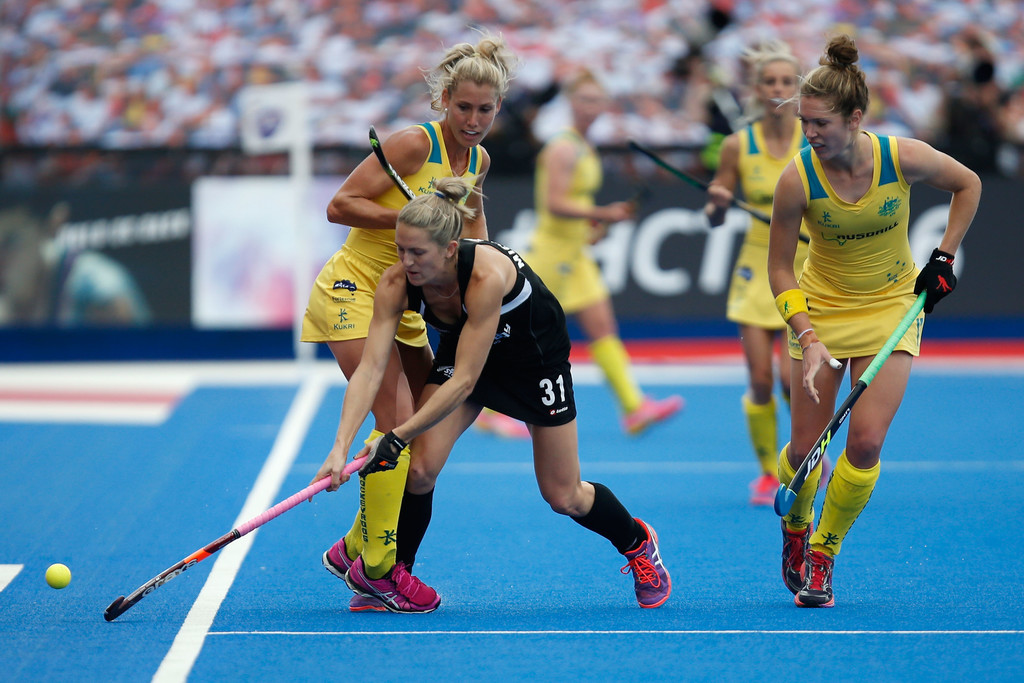
When she was at high school, she ________ play hockey.
use to
used to
used to play


had lived
I don't understand this point of grammar. I wish I ______ it better.
had understood
would understand
understood
have understand
REORDER TO MAKE A SENTENCE.
you/ make/ Did/ any/ mistake/ use/ terrible/ to/ ?
(a)
Sometimes I wish I_____
could fly
would fly
have fly
flew

We'd love to meet ___________ to ____________.
hand-hand
face-face
eye-eye
person-person
Nowadays, young couples tend to eat ................a lot instead of cooking themselves.
on
with
in
out
I love ___________ on the beach and feeling the sand
under my feet.
going bare-footed
Using your imagination
preserving our traditions
keeping a diary
Sometimes I wish I_____
could fly
would fly
have fly
flew
In the past, we had to walk a lot, which kept us .................. good shape.
in
on
out
of
Nowadays, young couples tend to eat ................a lot instead of cooking themselves.
on
with
in
out
My friends are on vacation, but I'm not.
--> I wish (a)
It's so hot, and I hate such hot weather
--> I wish it (a)
I don't speak English well.
--> I wish (a)
These city girls are used .................. in the field.
to work
used to lie
would like
to working
I am sorry I am not ..................... fast.
used to drive
used to driving
use to drive
use to driving

I ________________ ride a bicycle on my way home when I was young.
got used to
used to
use to
get used to

I can't ____________________ Japanese food: I hate raw fish!
used to eating
get used to eat
use to eat
get used to eating
She ________________life in a foreign country.
is getting used to
used to
is used to
uses
I don't understand this point of grammar. I wish I .......... it better.
understood
would understand
had understood
understands
When I was a child, I ................ anyone 40 was old.
used to think
was used to thinking
used to thinking
was used to think
Every nation has respect for their long-preserved ___________.
behaviours
practices
traditions
There is usually a ___________ gap between the old and the young, especially when the world is changing so fast.
generation
value
age
The children in my home village used to go ___________, even in winter. Now they all have shoes.
on foot
bare-footed
playing ground
In Viet Nam, ___________ often refers to age and social position, not to wealth.
seniority
tradition
generation
Giving lucky money to the young and the old at Tet is a common ___________ in many Asian countries.
behaviour
practice
tradition
My grandparents used ______their house with oil lamps.
to light
light
lighting
We are making a great effort to ________ our valuable customs for the future.
used to preserve
preserve
preserving
Women in the past did not have to ________ too much about their weight, diets, or obesity.
worry
worried
worrying
Customs and traditions are ________ from generation to generation.
pass down
passing down
passed down
Câu ước ở hiện tại được dùng để:
diễn tả mong ước về một sự việc không có thật ở hiện tại.
diễn tả mong ước về một sự việc không có thật ở quá khứ.
diễn tả mong ước về một sự việc có thật ở hiện tại.
Cấu trúc câu ước ở hiện tại là:
S + wished + (that) + S + V (past simple)
S + wish/wishes + (that) + S + V (present simple)
S + wish/wishes + (that) + S + V (past simple)
He wishes he ................English well
can
could
should
will
I wish I .......... the money to buy a new car. My car often breaks down.
have
had
will have
I'm having a great time in London. I wish you ..... here.
was
were
had been
I'm sorry I missed your party. I really wish I ......
came
didn't come
had come

Which word completes the sentence?
I wish I ____ come to the zoo with you next weekend, but I’m going to be busy.
could
had
will
I wish I ........ so much work to do now.
don't have
didn't have
didn't had
had not
My car is too small. I wish I ______ a bigger one.
had
have
would have
could have
I am not tall.
I wish I was tall.
I wish I were tall.
I wish I had been tall.
I wish I am tall.
Choose the word whose underline part is pronounced differently
books
clubs
hats
stamps
Choose the word whose underline part is pronounced differently
community
computer
museum
custom
Choose the word whose underline part is pronounced differently
populated
loaded
wanted
lived
Choose the word whose underline part is pronounced differently
education
question
pollution
pollution
Men used ______ the bread winner of the family.
be
to be
to being
were
Should we try to ______ every custom or tradition which is in danger of dying out?
preserve
act out
entertain
open
At night they used to entertain ______ by telling and acting out stories.
them
their
themselves
themself
It must be incredible travelling by dogsled. I wish I ______ it.
can do
could did
could do
can done
I wish people in the world (not have) (a) conflicts and lived in peace.
I wish my friends spent less time (play) (a) computer games and more time outdoors.
The farmers in my home village ______ rice home on trucks. They used buffalo-driven carts.
used to transport
used to be transported
didn’t use to transport
is used to transporting
A ______ is used to make the sound much louder so that many people can hear it from a distance.
loudspeaker
radio
television
computer
He could be fired for his rude ______ towards the VIP guest.
behavior
practice
tradition
habbit
I wish I ( live) ……………. near my school.
(a)
I wish I ( know) ……………. her address.
(a)
I wish I ( be ) ……………. taller.
(a)
I wish he (not leave) ………………….here.
(a)
We will _____ for dinner tonight.
Go out
Act out
Play out
Cry out
The school authorities can’t set holidays based on local weather conditions.
Rewrite: I wish (a) .
Did you always eat sweets when you were small? (Used to)
Rewrite: (a)
Choose the words whose underlined part is pronounced differently from that of the others in each group.
lessons
units
desks
groups

The ________ in the central square is dedicated the heroes of our country.
monument
building
castle
house

The historical documents found in the library are well ___ for future generations.
( Các tài liệu lịch sử được tìm thấy trong thư viện thì ............. cho các thế hệ tương lai.)
occupied
preserved
discovered
contributed

Inside the ancient ________, we discovered secret passages and hidden chambers.
(Bên trong ________ cổ đại, chúng tôi phát hiện ra những lối đi bí mật và những căn phòng ẩn giấu.)
office
room
castle
flat

Through educational programs, schools ______ the importance of remembering the past.
promote
observe
contribute
discover

When I / young, walking barefoot / a common experience / school.
When I was young, walking barefoot was a common experience at school.
When I was young, walking barefoot is a common experience at school.
When I am young, walking barefoot was a common experience at school.
When I am young, walking barefoot is a common experience at school.

In the past, talking face to face/the primary way/ communication / school.
In the past, talking face to face is the primary way of communicating at school.
In the past, talking face to face was the primary way of communicating at school.
In the past, talking face on face was the primary way at communicating at school.
In the past, talking face to face was the primary way in communicating at school.

During school days,/ we enjoy/ play traditional games / our friends.
During school days, we enjoyed play traditional games with our friends.
During school days, we enjoyed playing traditional games at our friends.
During school days, we enjoyed playing traditional games with our friends.
During school days, we enjoy play traditional games with our friends.

The committee has _____ a survey of parking problems in residential areas.
cut down
come around
worked out
carried out

_______, farmers used buffalo-driven carts to transport agricultural products.
Tradition
Traditional
Traditionally
Untraditional

The city has an exceptionally rich _______ of historic buildings.
heritage
tradition
custom
culture

The soldiers had to fight the war to PROTECT their country.
(CLOSET MEANING)
develop
defend
attend
struggle
It is his PRATICE to tell stories about his childhood to his children at bedtime. ( CLOSET MEANING)
tradition
behavior
custom
manner
Our beliefs and history have been _______ orally ( bằng miệng ) by our people for thousands of years.
shown around
cheered up
passed down
taken off
Circle the letter A, B, C, or D to indicate the word that differs from the other three in the position of primary stress in each of the following questions.
glutinous
historic
mountainous
cultural
When Peter arrived I ____ a programme about deserts.
were watching
was watching
watch
watched
You ____ in the park when you ____ her.
walked / were meeting
walked / didn't met
were walking / met
was walking / meeting
____ a strange object outside. It _____ a lot of noise.
There was / was making
There were being / maked
There's / did made
There're / was making
The boys _______ while the girls ____________.
were swimming / sunbathe
was swam / sunbathing
were swimming / were sunbathing
swam / sunbathing
He _________ up and __________ at his watch.
woke / looked
was waking / look
were waking / looking
waking up / looking
I ______________ what they _________________ about.
don't understand / talk
didn't understand / were talking
understanding / talked
didn't understood / are talked

What ______ you _______ at 10 o'clock last night? (do)
(a)

I ____________ TV and my dog was sleeping. (watch)
was watched
was watching
watched
were watching
_______ you _____ your homework when I called you? (do)
were/ doing
were/ do
was/ doing
did/ do

Marcos .... when he .... a worm in his apple.
was eating, found
was eating, finded
were eating, were finding
ate, was finding

When they .... on math homework, they ... their grades.
were working, saw
were working, seed
were working, seied
worked, saw
At 6 p.m. yesterday it _____ dark.
already got
was already getting
Complete with past simple, or past continuous
"We (a) (stay) in youth hostels which saved us a bit of money."

Tina ........ (run) when it ........ (start) to rain.
(a)
Sarah hurt her ankle while she (a) (run).
I saw you driving down Green Street yesterday! Where _____?
did you go
were you going

