
 Worksheets
Trimester 1 LS Exam Practice-Cells
Total questions: 28
Worksheet time: 14mins


What is number 3?
mitochondria
nucleus
ribosome
Golgi apparatus
Eukaryotic cells make up -
protists and bacteria
archaea and bacteria
protists and archaea
plants, animals, protists, and fungi
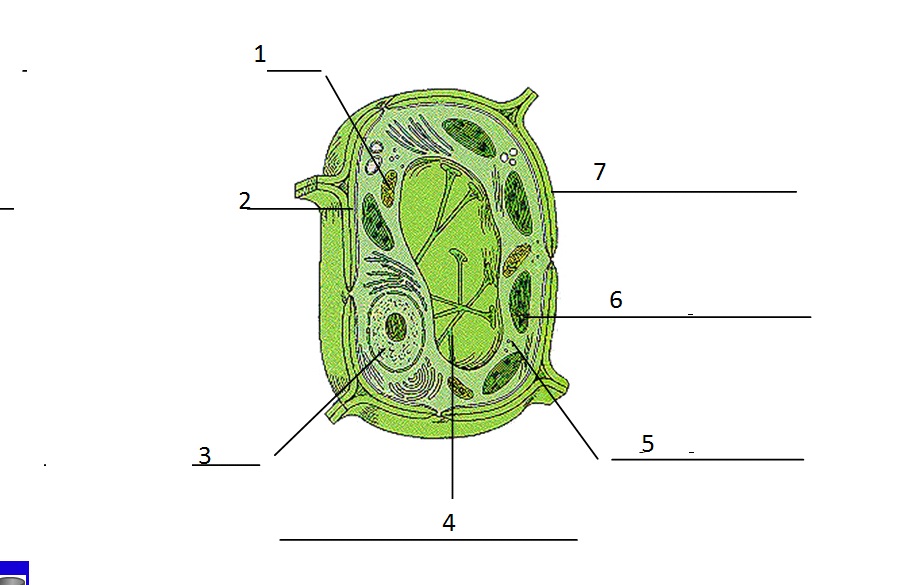
What is number 1?
mitochonrion
cell membrane
nucleus
vacuole

What is number 7?
centriole
cytoplasm
cytoskeleton
cell membrane
What is number 3?
mitochonrion
cell membrane
nucleus
vacuole
Which of the following are characteristics of eukaryotic cells?
more complex
has a nucleus
first cells to exist
found in organisms like bacteria and archaea
found in plants, animals, protists, and fungi

In what organelle is the genetic material found inside?
cell membrane
chloroplast
nucleus
ribosome

Which part of an animal cell is this?
centriole
cytoplasm
cytoskeleton
cell membrane
What is number 2?
mitochonrion
cell membrane
nucleus
vacuole
The first cells that existed were __ cells.
animal
eukaryotic
prokaryotic
plant

What is number 1?
mitochondria
nucleus
ribosome
Golgi apparatus
What is number 5?
chloroplast
cell wall
cytoplasm
vacuole
Bacteria is classified as a what?
Prokaryote
Eukaryote

What organelle is called the "powerhouse" of a cell?
mitochondria
nucleus
cell wall
cell membrane
What is number 4?
mitochonrion
cell membrane
nucleus
vacuole
Active transport requires ___.
ATP
AZP
PTA
APT

What is number 6?
centrioles
endoplasmic reticulum
lysosome
cytoskeleton
Cells use energy called adenosine triphosphate to move materials across a membrane (low to high concentration).
Active transport
Passive transport
Diffusion
Osmosis

What is the structure that contains DNA and directs the cell?
endoplasmic reticulum
central vacuole
cell wall
nucleus
What is number 6?
chloroplast
cell wall
cytoplasm
vacuole
Prokaryotic cells make up -
plants and animals
archaea and bacteria
protists and fungi
plants, animals, protists, and fungi

What is number 7?
chloroplast
cell wall
cytoplasm
vacuole
Large particles being encased in a vesicle and taken out of the cell.
endocytosis
exocytosis
passive transport
active transport
Which of the following are characteristics of prokaryotic cells?
no membrane bound organelles
larger nucleus
first cells to exist
can survive extreme conditions (heat, cold, acidic)
found in organisms like plants and animals

