
 Worksheets
Unit 3 Review - Mid Unit
Total questions: 32
Worksheet time: 32mins
Name
Class
Date
1.
The different forms of a gene
a)
heredity
b)
genetics
c)
gene
d)
alleles
2.
This trait always shows up in an organism when the allele is present
a)
dominant allele
b)
codominance
c)
probability
d)
recessive allele
3.
This trait is hidden whenever the dominant allele is present
a)
dominant allele
b)
codominance
c)
recessive allele
d)
Punnett Square
4.
A chart that shows all the possible combinations of alleles that can result from a genetic cross
a)
dominant allele
b)
codominance
c)
probability
d)
Punnett Square
5.
An organism's physical appearance or visible traits
a)
fertilization
b)
genotype
c)
phenotype
d)
homozygous
6.
An organism's genetic makeup, or allele combination
a)
fertilization
b)
genotype
c)
phenotype
d)
heterozygous
7.
An organism that has two different alleles for a trait (hybrid)
a)
fertilization
b)
genotype
c)
homozygous
d)
heterozygous
8.
An organism that has two identical alleles for a trait (purebred)
a)
genotype
b)
phenotype
c)
homozygous
d)
heterozygous
9.

Chromosomes are found in the ____________ of the cell
a)
Chloroplast
b)
Nucleus
c)
Cytoplasm
d)
Mitochondria
10.
Heredity is the passing of traits from _____________________ to _____________________
a)
predators to prey
b)
water to rain
c)
parents to offspring
d)
fungi to protists
11.
If a child has red hair, they inherited a certain _______________ from their parents.
a)
ratio
b)
trait
c)
probability
d)
sex chromosome
12.
_____is the passing of traits from parents to offspring (babies)
a)
DNA
b)
Heredity
c)
Evolution
13.
Which is an inherited trait?
a)
speaking in front of a crowd
b)
having green eyes
c)
knowing math facts
d)
becoming and extrovert
14.

Where are chromosomes found?
a)
vacuole
b)
cell membrane
c)
nucleus
d)
mitochondria
15.
Selective breeding is...
a)
a process to create an organism with desired traits from parents with those desired traits
b)
natural method of producing offspring with desired traits
c)
creating a new species
d)
making organisms reproduce during times of stress
16.
An example of selective breeding is
a)
a dog breeder mating 2 dogs to make more dogs
b)
a farmer grows bees to pollinate the plants on his farm
c)
a person pollinates 2 white rose plants to only create white roses
17.
One problem with selective breeding is
a)
creating a new species
b)
gene variety is lost
c)
new food sources
18.
The evolution of dogs from wolves is due to:
a)
Natural Selection
b)
Sexual Selection
c)
Artificial Selection
d)
Vestigial Structures
19.
Which is another term for selective breeding?
a)
Artificial selection
b)
Natural Selection
c)
Intelligent selection
20.
Requires two parents
a)
sexual
b)
asexual
21.
Requires only one parent
a)
sexual
b)
asexual
22.
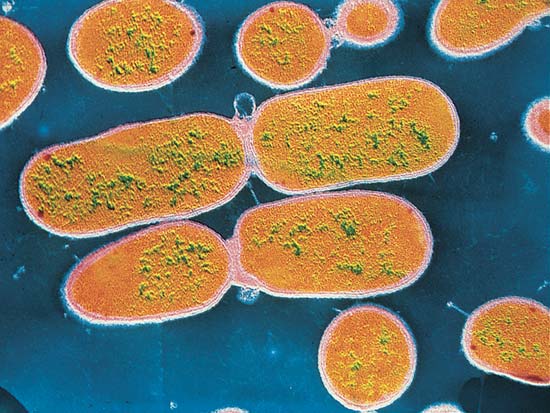
The offspring from asexually reproduced organisms are?
a)
Different than their parents
b)
Identical to parents
c)
Like a combination from both parents
d)
A different species
23.
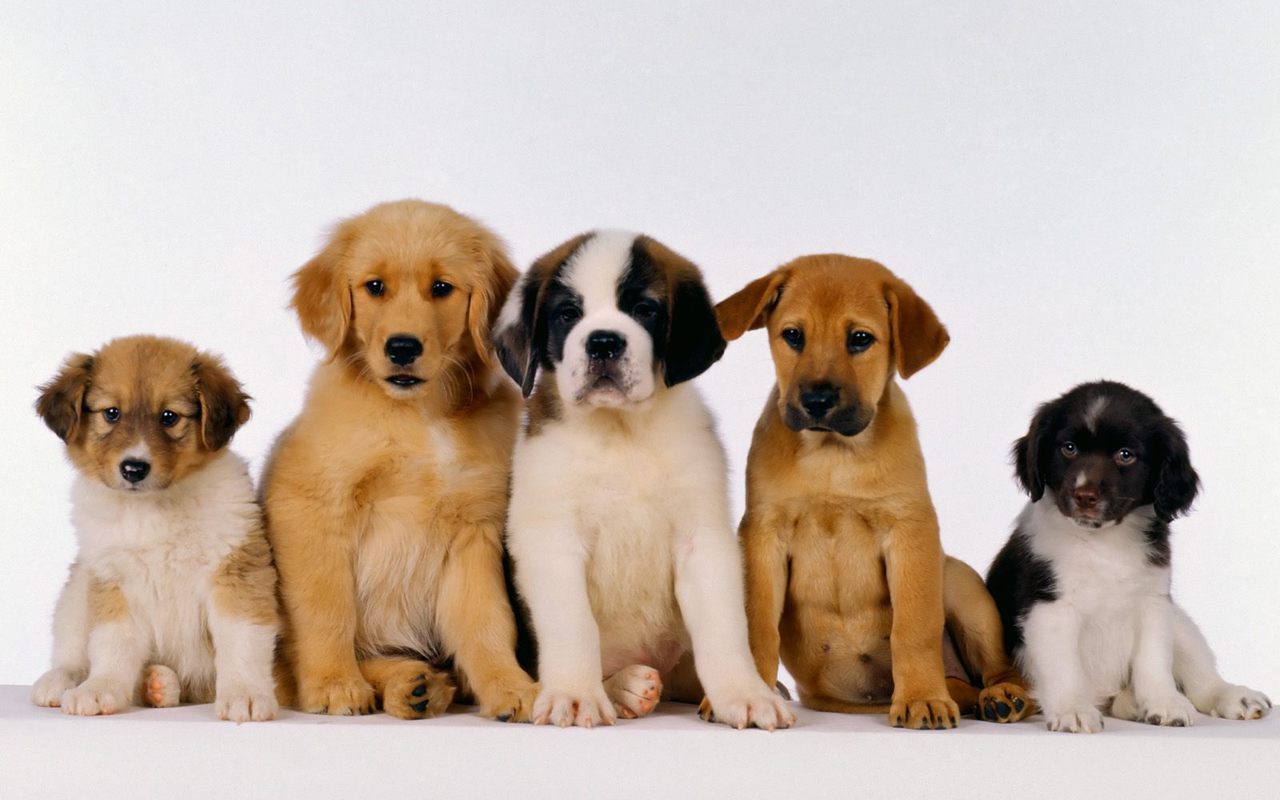
If two organisms reproduce sexually, then their offspring will exhibit a genetic makeup that is -
a)
identical to only one parent
b)
identical to all of its siblings
c)
a unique combination of traits
d)
the recessive traits of each parent
24.

All of the offspring of an organism have the same genetic material, which is identical to the parent organism. From this, we can conclude that this organism -
a)
makes its own food
b)
is unicellular
c)
live in a marine habitat
d)
reproduces asexually
25.
Which process creates genetically DIFFERENT offspring?
a)
sexual
b)
asexual
26.
Which type(s) of reproduction includes chromosomes being passed to offspring?
a)
asexual
b)
sexual
c)
both
27.
Budding is a kind of ____________ reproduction
a)
Sexual
b)
asexual
28.
Binary fission is a kind of sexual reproduction
a)
True
b)
False
29.
Uniform offspring
a)
Sexual
b)
Asexual
c)
Both
d)
Neither
30.

Genetic variation
a)
Sexual
b)
Asexual
c)
Both
d)
Neither
31.
Which type of reproduction is better for a changing environment?
a)
sexual reproduction
b)
asexual reproduction
c)
both
32.

a)
Sexual
b)
Asexual
c)
Both
d)
Neither
100 %

