
Font size
 Worksheets
YEAR 5: EARTH AND CLIMATES
Total questions: 33
Worksheet time: 21mins

What's the name of our galaxy?
Andromeda
Orion
The Rosy Way
The Milky Way
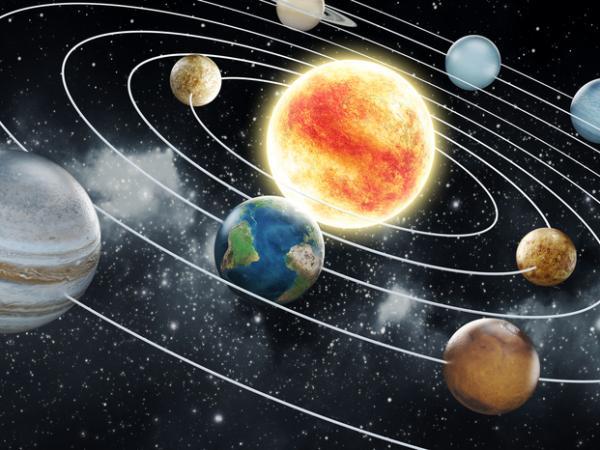
How many planets are there in the Solar System?
eight
three
nine
ten
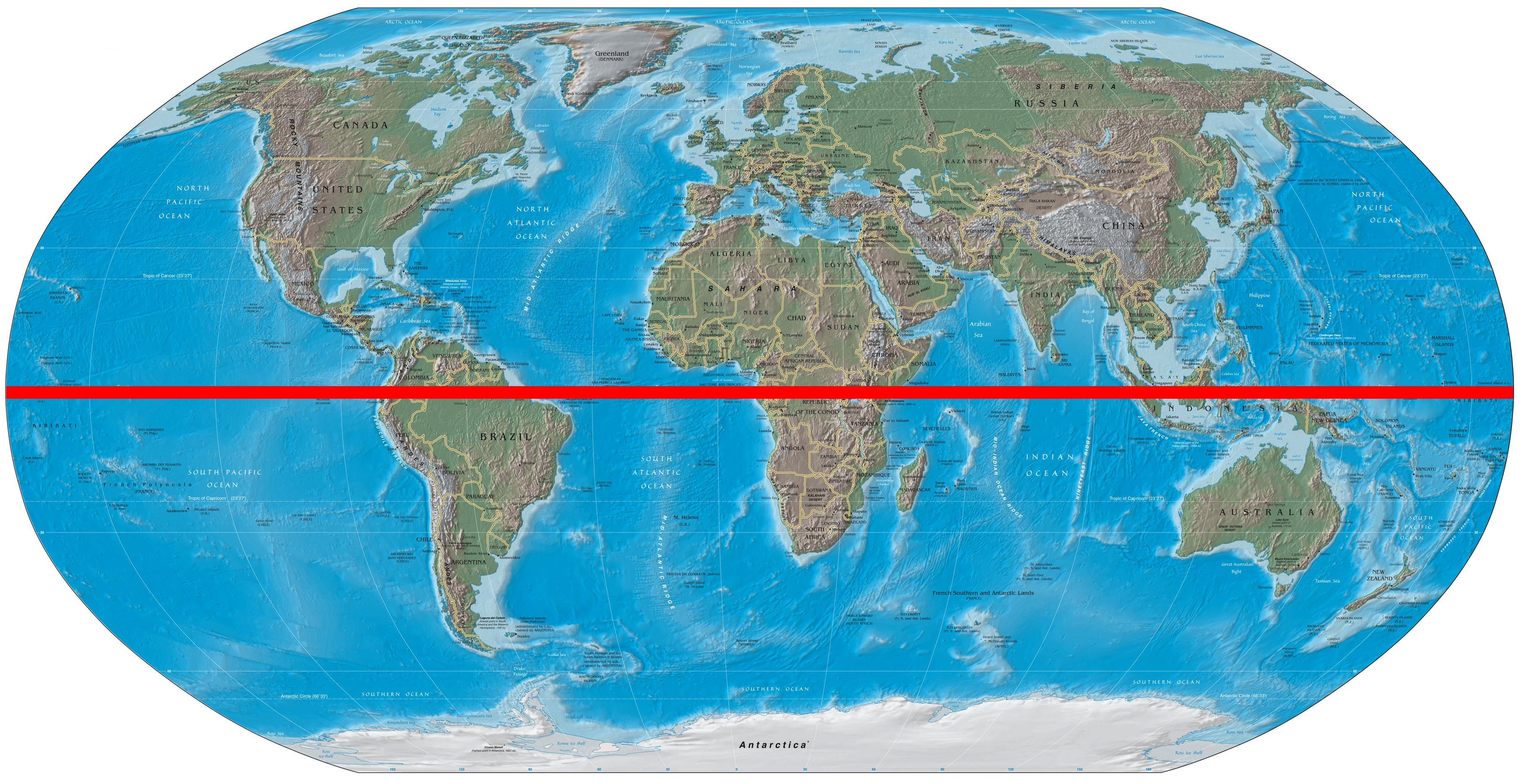
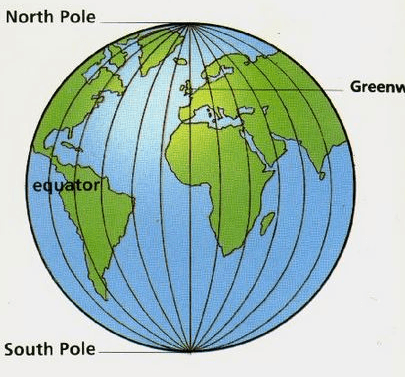
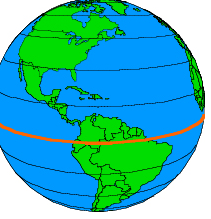

Which TWO reference points are necessary to determine an exact location?
Select TWO answers.
Altitude
elevation
longitude
latitude

What hemisphere is North America in?
Southern
Northern
Western
Eastern
How long does it take the Earth to do the revolution movement?
365 days
24 hours
24 hours + 6 hours
28 days
How long does it take the Earth to do the rotation movement?
365 days
24 hours
24 hours + 6 hours
28 days
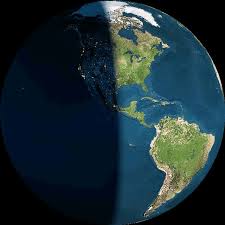
Day and night is caused by the . . .
revolution of Earth around the Sun
orbit of Earth around the Moon
rotation of Earth on its axis.
rotation of the Moon on it's axis


The layer of the Earth formed by gases is
the Hydrosphere
The Geosphere
The Atmosphere
The Biosphere
Which TWO reference points are necessary to determine an exact location?
Select TWO answers.
Altitude
elevation
longitude
latitude
The spinning of the Earth on its axis is called .....
orbit
rotation
revolution
tide
In the Rotation movement the Earth turns around...
The sun
Its imaginary axis
The Revolution movement causes....
The day and the night
The seasons
The Rotation movement takes
24 hours
365 days
365 days and 6 hours

How many geographic poles are there?
2
4
5
6

What are the name of the geographic poles in planet Earth?
America and Asia
Spain and Murcia
North Pole and South Pole

What are the name of the seasons?
summer, autumn, winter, spring
spring, summer, august, holidays

Los paralelos son:
líneas imaginarias verticales
límites entre países
líneas imaginarias horizontales
referentes de las horas

Los meridianos son líneas imaginarias
verticales
horizontales
inclinadas
paralelas

¿El principal meridiano es?
Meridiano de Greenwich
Línea Equinoccial
Meridiano Oriental
Meridiano Occidental
¿Cómo se llama el paralelo cero?
Patatero
Ecuador
Greenwich
Cero
¿Por qué son más suaves las temperaturas en las costas?
Por el relieve
Por la distancia al ecuador
Por la proximidad del mar
Todas son correctas
¿Qué tipo de clima tenemos en Castilla La Mancha?
Oceánico
Montaña
Mediterráneo
Subtropical
¿En qué zona de España encontramos el clima oceánico?
En el interior de la Península.
En el Sur de la Península.
En el Norte de la Península.
En los Archipiélagos Canario y Balear.
¿En qué parte de la Península encontramos el clima subtropical?
Islas Baleares
Islas Canarias
En las costas de la Península
En el interior de la Península
¿Qué usamos para conocer el clima de un lugar?
Gráfico de barras
Histograma
Climograma
Gráfico de sectores


La zona amarilla pertenece a la...
Zona cálida
Zona fría
Zona templada
Zona congelada
El clima Mediterráneo presenta algunas variantes que son:
Mediterráneo húmedo, mediterráneo atípico y mediterráneo seco
Mediterráneo seco, mediterráneo atípico y mediterráneo de montaña
Mediterráneo seco, mediterráneo de interior y mediterráneo típico
Mediterráneo andaluz, mediterráneo seco y mediterráneo típico

