Wayground logo

Free Printable Worksheets

Font size

S
M
L
XL
Worksheets

Evolution and Classification

Total questions: 26

Worksheet time: 24mins

Name
Class
Date
1.

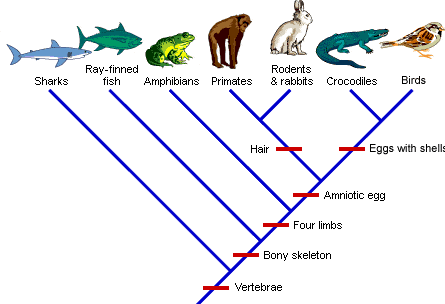
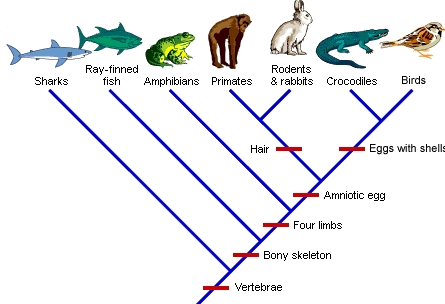
What is the closest relative of humans shown in this diagram?

a)

horse

b)

turtle

c)

monkey

d)

dog

2.

According to this diagram, is the pig more closely related to the dog or kangaroo?

(a)  

3.

Are humans closely or distantly related to tuna, relative to this cladogram?

a)

closely

b)

distantly

4.
Which two orgainsms have hair? 
a)
Sharks & Ray Finned Fish
b)
Primates & Rodents
c)
Birds & Crocodiles
d)
Rabbits & Birds
5.
According to this cladogram, birds are LEAST related to: 
a)
Amphibians
b)
Sharks
c)
Ray Finned Fish
d)
Crocodiles
6.
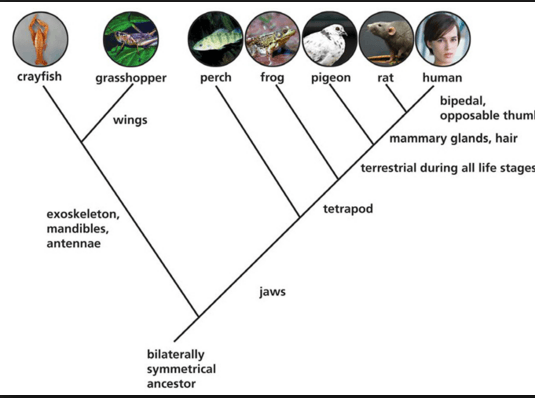
Which trait do only humans have, according to the cladogram?
a)
jaws
b)
mammary glands & hair
c)
terrestrial during all life stages
d)
bipedal & opposable thumbs
7.

What is the process by which organisms change over long periods of time through reproduction and natural selection?

a)

evolution

b)

cladogram

c)

classification

d)

ancestors

8.

Classification used to be based on ____________ but now it is based on ________________.

a)

morphology (similarities in looks); evolutionary relationships

b)

morphology (similarities in looks); beak size

c)

evolutionary relationships; morphology (similarities in looks)

d)

a scientist's feelings; morphology

9.

The more _________ a common ancestor, the more similar two organisms are.

a)

recent

b)

distant

c)

valuable

d)

ugly

10.

Natural selection is based on organisms that _____________.

a)

are the strongest

b)

are the smartest

c)

have brown colored fur

d)

are most fit for the environment

11.
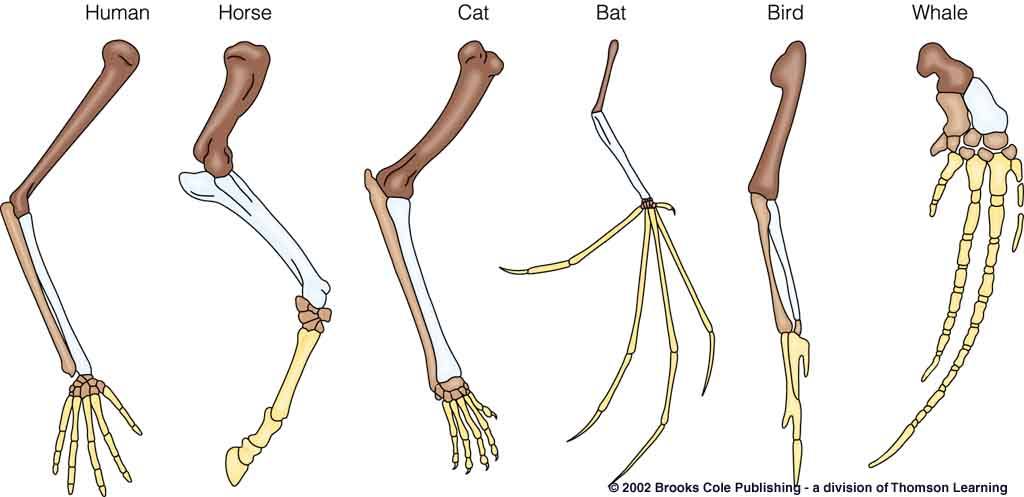
Humans, birds, whales, and lizards all have similar arm bones. What is the reason for this?
a)
The function of these bones is the same in all animals
b)
They live in similar environments
c)
They have a common ancestor
d)
All organisms resemble humans
12.
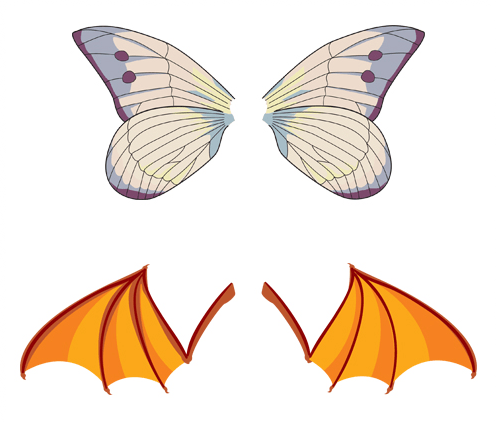
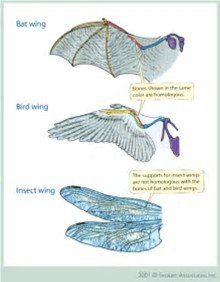
Bird wings and butterfly wings are an example of
a)
Homologous structure
b)
Analogous structure
c)
Mimicry
d)
Camoflague
13.
Individuals with favorable traits survive, reproduce, and pass their traits onto their offspring. This is called
a)
Mutation
b)
Adaptation
c)
Evolution
d)
Natural Selection
14.
Which of the following pieces of evolution evidence deals with comparing similar structures in various species?
a)
fossil record
b)
comparing embryology
c)
comparing biochemistry
d)
comparing anatomy
15.
Some organisms that share a common ancestor have features that have different functions, but similar structures.  These are known as
a)
vestigial structures
b)
analogous structures
c)
homologous structures
d)
fossil structures
16.
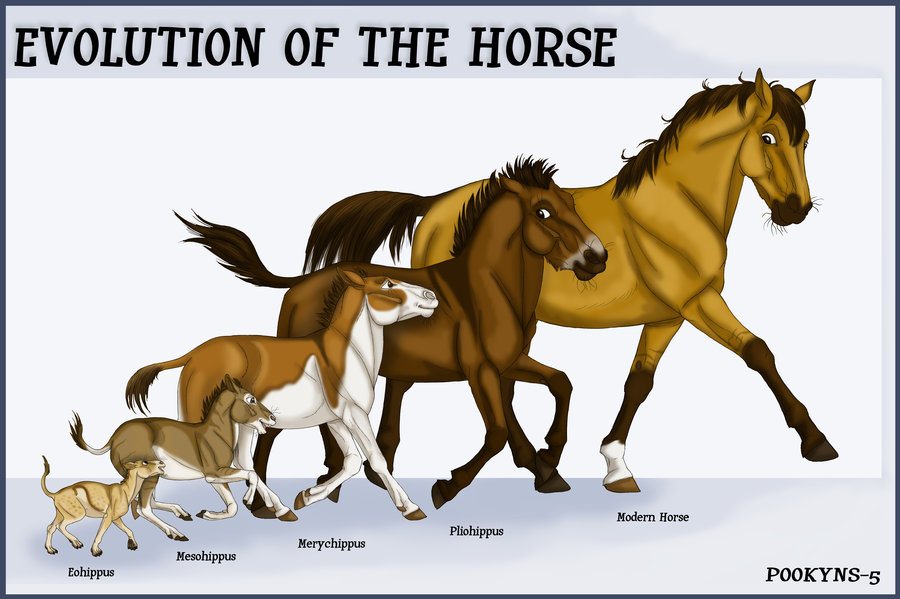
How would you describe this evolution?
a)
Homologous structure
b)
Analogous structure
c)
Structural adaption
d)
Functional adaption
17.
The structures shown are_________
a)
homologous
b)
heterologous
c)
analogous
d)
vestigial
18.
a)
Homologous
b)
Vesitigial
c)
Analogous
19.
a)
Homologous
b)
Vestigial
c)
Analogous
20.
a)
Homologous
b)
Vestigial
c)
Analogous
21.
An example of a homologous structure 
a)
human arm and bird wing
b)
rat appendix  and human appendix
c)
wing of butterfly and bird wing
22.
 The best definition for biological evolution is?
a)
A.  When Earth’s processes cause change overtime.
b)
B.  When rock’s change over time.
c)
C.  When a species changes      overtime.
23.

body parts of organisms that are similar in structure and position but different in function

a)

homologous structures

b)

comparative anatomy

c)

analogous structure

d)

vestigial structure

24.

body parts that perform a similar function but differ in structure

a)

homologous structures

b)

analogous structures

c)

vestigial structures

d)

comparative anatomy

25.

structures that have lost their original function through evolution

a)

homologous structure

b)

analogous structure

c)

comparative anatomy

d)

vestigial structure

26.
Define: comparative anatomy
a)
The study of the similarities and differences between the physical structures of two species to determine if an evolutionary relationship exists between them. 
b)
The study of the gradual process by which the present diversity of plant and animal life arose from the earliest and most primitive organisms, 
c)
A natural process that results in the survival and reproductive success of individuals or groups best adjusted to their environment and that leads to the perpetuation of genetic qualities best suited to that particular environment