
 Worksheets
Heredity & Variation
Total questions: 40
Worksheet time: 28mins

Every living thing has genetic information stored in the form of
Ribosomes
DNA
Chloroplast
Mitochondria

If two alleles are the same for a certain trait they are considered
Homozygous
Twins
Heterozygous
Common

Physical traits that are expressed are known as ____________
Mutation
Personality
Genotype
Phenotype

Sections of DNA that have instructions for a specific trait are called _______________
Blueprints
Genes
Heterozygous
Fragments

Chromosomes are
Found in the mitochondria
Made of 20 pairs
Long strands of DNA that contain many genes
Bundles of DNA that contain only one gene each
In science, mutations are
The reason the X-Men exist
Genetically engineered creatures that you fight in the Hunger Games
A change in the DNA of an organism that produces new traits
Always helpful for survival
True or false: Mutations only harm chances of survival:
True
False

Traits that are passed from parents to offspring are always
Recessive
Inherited
Dominant
Heterozygous

The genetic difference between individuals in the same species is
Interesting
Harmful
Variation
Genetics
Sperms can have
Only X chromosome
Only Y chromosome
Either X or Y chromosome
Either XX or XY chromosomes
What is the percentage of a woman having a male child?
25%
50%
75%
100%
A brown eyed man of genotype Bb marries a blue eyed woman. What is the chance that their third child is brown eyed?
25%
50%
75%
100%
A couple has had 1 child, who is a boy. Which of the following statements is true?
Their second child will be a girl because the ratio of boy:girl is 1:1.
Their second child will be definitely be a girl because the chance of her being a girl is 50%.
Their second child has a 50% chance of being either a boy or a girl as gender of the first child has no effect on the subsequent children.
A dominant trait expresses itself
only in homozygous genotypes
only in heterozygous genotypes
both in homozygous and heterozygous genotypes
A recessive trait expresses itself
only in homozygous genotypes
only in heterozygous genotypes
in both homozygous and heterozygous genotypes
Brown eye color is dominant. Blue eye color is recessive. Select the combination of letters below that would represent a person being a purebred for brown eyes. In other words, which option represents a person having both alleles for brown eyes? (hint: think of capitalization of letters and what is used for dominant vs. recessive).
AA
Aa
aa
aA
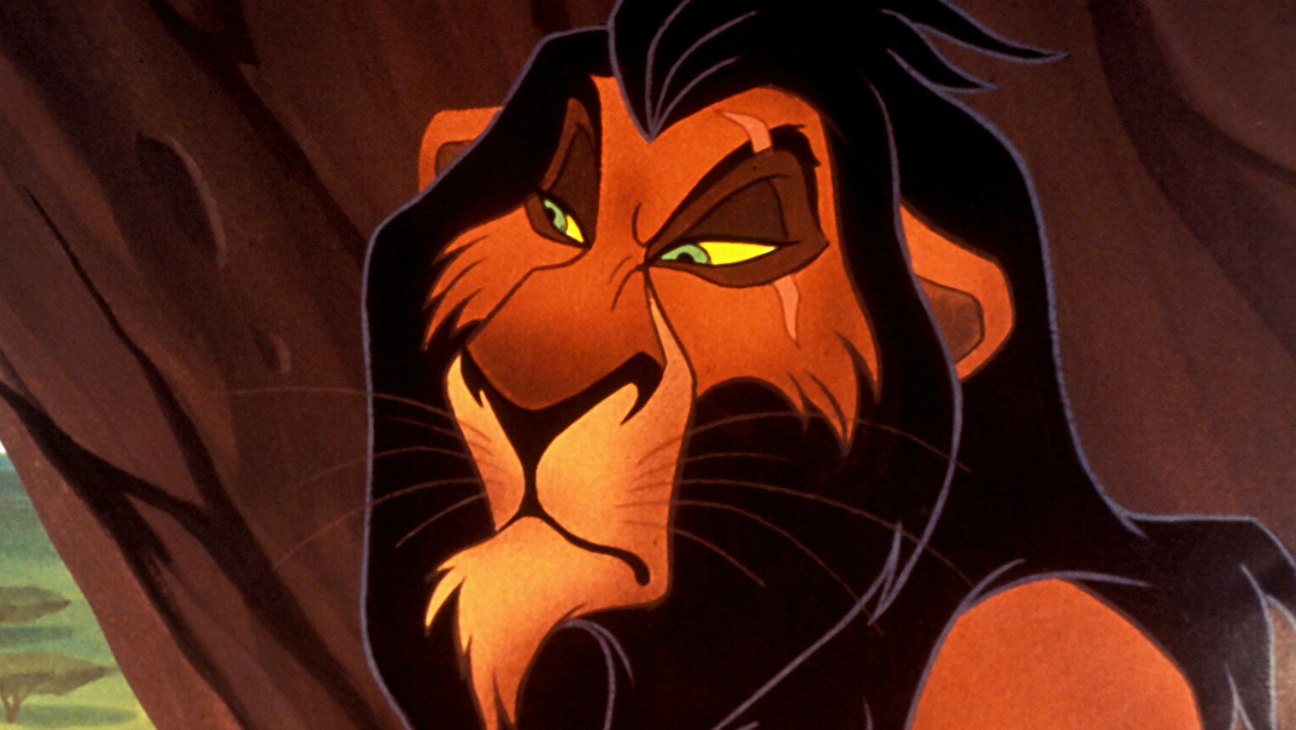
Why does Scar have a scar but his brother Mufasa does not?
Mufasa did not inherit it
The scar gene skipped a generation
The scar is an environmental trait
Mufasa is not his brother
Human blood type is determined by multiple alleles (A, B, and O). Which ratio would result from a cross between a man with Type AB blood and a woman with Type O blood?
A. 50% Type A, 50% Type O
B. 75% Type A, 25% Type B
C. 50% Type A, 50% Type B
D. 100% Type O
In humans having two eye brows is a completely dominant trait, the recessive trait is expressed as having a single connected eyebrow. If a two parents who are heterozygous for the eyebrow trait had an offspring what is the probability that their child would express the recessive phenotype?
A. Their offspring has a 0% chance of expressing the recessive phenotype.
B. Their offspring has a 25% chance of expressing the recessive phenotype.
C. Their offspring has a 75% chance of expressing the recessive phenotype.
D. Their offspring has a 100% chance of expressing the recessive phenotype.


Which of these factors can be changed by both environmental and inherited variation?
Tattoos
Weight
Scars
What type of graph do we use for discontinuous variation?
A line graph
A bar chart
A bell shape
Which of the following are genetically inherited human characteristics that are not affected by any changes in the environmental conditions?
I Skin colour
II Blood group
III Presence of a dimple
IV Height
I and II
I and III
II and III
III and IV
The following information is about two individuals, X and Y.
*Individual X: presence of a dimple
*Individual Y: no dimple
Which of the following factors causes the difference in the trait between the two individuls?
mutation
genetics
hormone
environment


In which ways can genetic engineering can improve crops
Make them pest or drought resistant
Make them more nutritious
Make them larger
All answers are correct
A circular piece of DNA, found in bacteria, is called:
A plasmid
mRNA
Ribosome
Nucleotide
Humans with genetic diseases can have a gene inserted into their body using a virus. This is called:
Gene therapy
Cloning
DNA fingerprinting
Changes in a species over generations, due to changes in the environment
Distribution
Mutation
Adaptation
Resistance

