
 Worksheets
Landmark Supreme Court Review/Civics Literacy Review
Total questions: 136
Worksheet time: 48mins
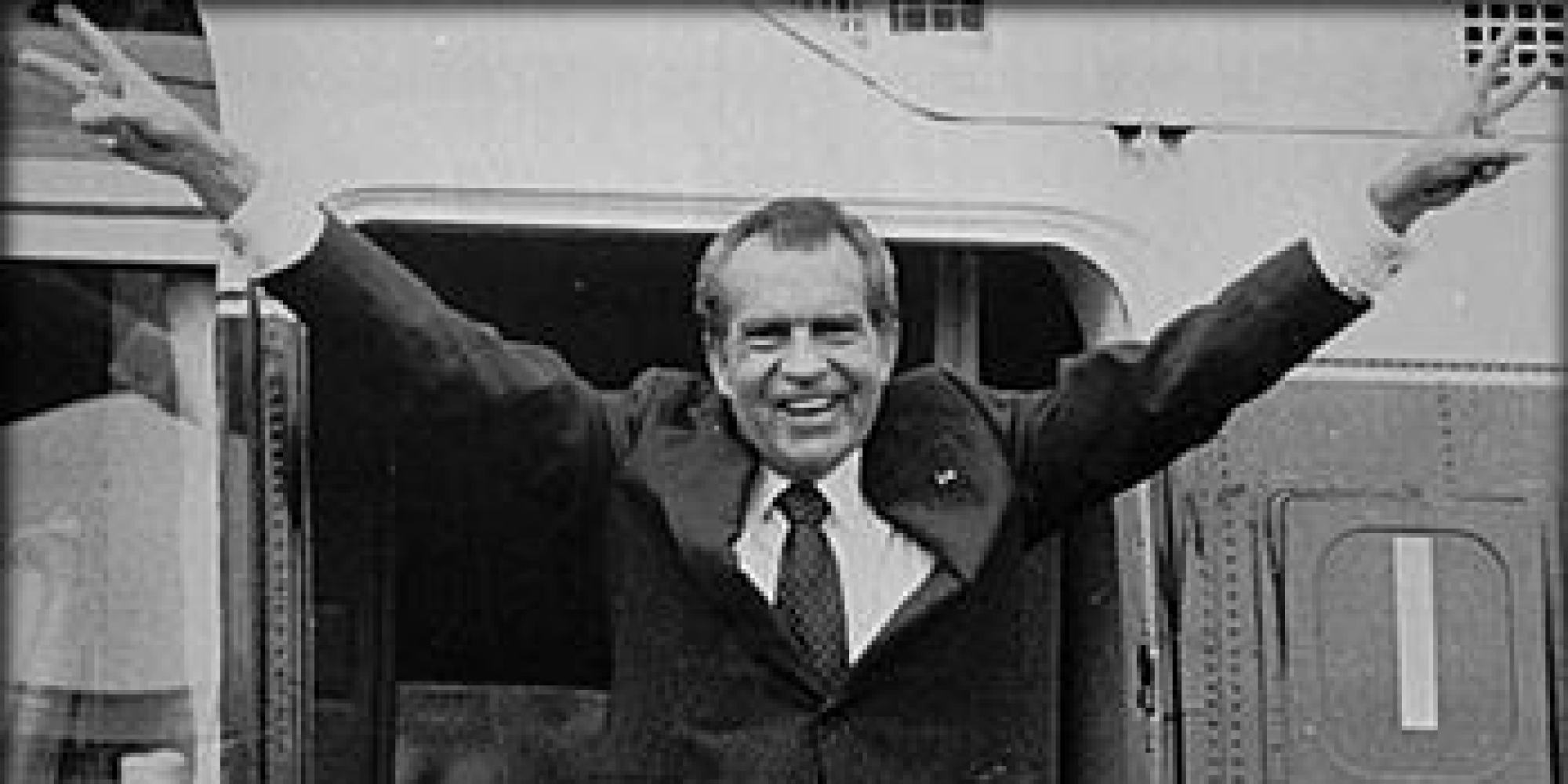
(Unit 7) No one is above the law...not even the president.
Bush v. Gore
Marbury v. Madison
Miranda v. Arizona
U.S. v. Nixon
(Unit 7) Determined the FL Supreme Court could not order a recount of ballots.
Marbury v. Madison
Bush v. Gore
U.S. v. Nixon
Hazelwood v. Kuhlmeier
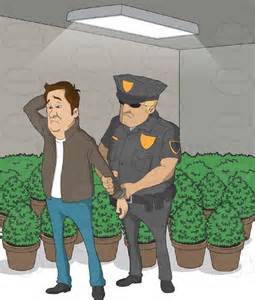
(Unit 7) Suspects cannot be questioned (interrogated) until they are informed of their rights (right to remain silent, right to an attorney, etc.)
Brown v Board of Education
Miranda v Arizona
Tinker v Des Moines
Bush v Gore
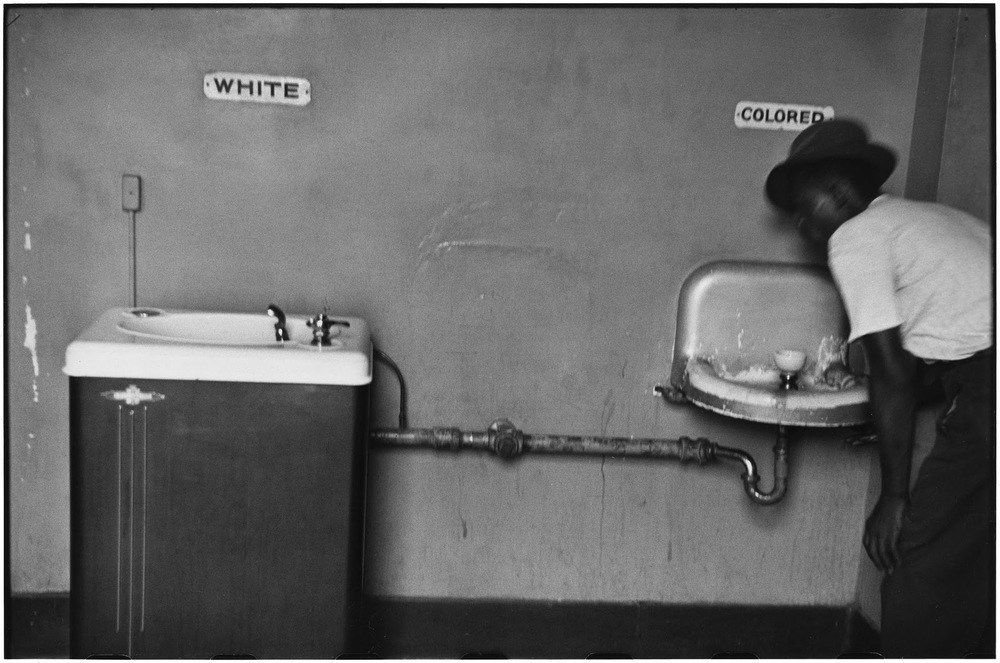
(Unit 7) Established “Separate but Equal”, which provided separate public facilities for both whites and blacks as long as they were equal.
District of Columbia v Heller
In Re Gault
Brown v Board of Education
Plessy v Ferguson
(Unit 7) A person accused of a crime no matter how poor has the right to an attorney during trial. Enforces the 6th Amendment.
Tinker v Des Moines
Gideon v Wainwright
Miranda v Arizona
United States v Nixon
(Unit 7) Ruled that “Separate but Equal” was Unconstitutional.
Hazelwood v Kuhlmeier
Marbury v Madison
Plessy v Ferguson
Brown v Board of Education
(Unit 7) Juveniles are allowed to have “Due Process” rights. (right to a trial, right to an attorney, right to question witnesses, etc.)
District of Columbia v Heller
Tinker v Des Moines
In Re Gault
Miranda v Arizona
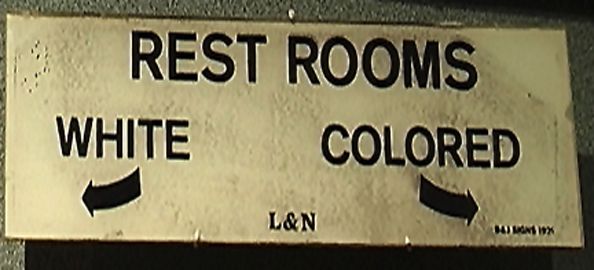
(Unit 7) Legal or social separation of races.
Segregation
Lobbying
Boycotting
(Unit 7) Which constitutional principle is applied when the police inform suspects of their rights?
due process of law
eminent domain
double jeopardy
trial by jury
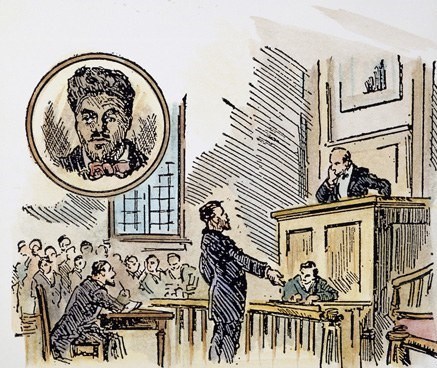
(Unit 7) What was the Supreme Court's decision in the Dred Scott case?
That slavery diminished the national character.
That African American rights were protected by the Constitution.
That African Americans did not have the right to sue in federal court because they were not citizens
That slavery should be abolished by executive order
(Unit 7) What is called when someone is being forced to testify against oneself?
self-incrimination
reflection
self-process
judicial review
What is the term in the Fourteenth Amendment to describe persons who are born or naturalized in the United States?
aliens
citizens
immigrants
residents

joining a military service
obtaining a driver’s license
becoming a naturalized citizen
receiving a social security card

to provide news media with a guaranteed profit
to keep the news media from controlling the political process
to provide the government with accurate information sources
to keep the government from becoming the primary information source

if Peter could prove that he paid full price for the house already
if Peter was born as a US Citizen, not a naturalized citizen or resident
if the government did not make a reasonable effort to build the park in an uninhabited area
if the government did not offer him fair market price for the home

Amendment I (free speech) and Amendment VI (due process
Amendment I (free press) and Amendment IV (search and seizure)
Amendment IX (unenumerated rights) and Amendment VI (due process)
Amendment IX (Unenumerated rights) and Amendment IV (search and seizure
A more informed society has resulted from which constitutional protection?
trial by jury
free speech
right to bear arms
due process

It led to the 15th Amendment, allowing racial minorities to vote
It led to the 19th Amendment, allowing women to vote
It led to the 26th Amendment, allowing 18-year-olds to vote
It led to the 26th Amendment, allowing 21-year-olds to vote
(Unit 7) What lessons did future US leaders learn from the 1974 US Supreme Court case United States vs. Nixon?
the president is accountable for following the laws
the president if responsible for enforcing the laws
the president is not allowed to hold secret talks with foreign governments
the president is not allowed to have private meetings with cabinet members
(Unit 7) In which case did the U.S. Supreme Court rule that the Florida Supreme Court's plan for recounting ballots violated the Equal Protection Clause of the Fourteenth Amendment?
Hazelwood v. Kuhlmeier (1988)
Gideon v. Wainwright (1963)
U.S. v. Nixon (1974)
Bush v. Gore (2000)
Which was an outcome of the U.S. Supreme Court decision in Brown v. Board of Education (1954)?
Administrators may limit the content of students publications.
Public school districts that segregate deny equal protection.
Students have a reduced expectation of privacy in school.
Criminal defendants have the right to an attorney.
U.S. Supreme Court case that upheld a student's First Amendment right to engage in symbolic speech in school was
Miranda vs. Arizona
Tinker vs. Des Moines
Plessy vs. Ferguson
Gideon vs. Wainwright
U.S. Supreme Court case that established judicial review.
Marbury vs. Madison
Tinker vs. Des Moines
Plessy vs. Ferguson
Miranda vs. Arizona
(Unit 7) U.S. Supreme Court cases that upheld the Fifth Amendment protection from self-incrimination.
Miranda vs. Arizona
Gideon vs. Wainwright
Plessy vs. Ferguson
Tinker vs. Des Moines
Who is speaking?
Patrick Henry favors the states, he is a?
What step is missing?
(Unit 7) Which of these cases did NOT deal with the rights of the accused?
Gideon v. Wainwright
In re Gault
District of Columbia v. Heller
Miranda v. Arizona
Which case established symbolic speech for students?
Brown v. Board of Education
Tinker v. Des Moines
Hazelwood School District v. Kuhlmeier
In re Gault
Which case established school officials can censor materials included as school work?
Brown v. Board of Education
Tinker v. Des Moines
Hazelwood School District v. Kuhlmeier
District of Columbia v. Heller
(Unit 7) Which case said Americans' rights can be restricted based on race during war time?
Plessy v. Ferguson
Korematsu v. United States
United States v. Nixon
Bush v. Gore
Which case said people have the right to own handguns?
Miranda v. Arizona
Bush v. Gore
United States v. Nixon
District of Columbia v. Heller
(Unit 7) Which case was NOT arguing about Equal Protection Under the Law in the 14th Amendment?
Plessy v. Ferguson
Brown v. the Board of Education
Korematsu v. United States
Marbury v. Madison
Which case dealt with students at school?
Plessy v. Ferguson
Tinker v. Des Moines
Korematsu v. United States
District of Columbia v. Heller
(Unit 7) Which case dealt with the Second Amendment?
Plessy v. Ferguson
Gideon v. Wainwright
Korematsu v. United States
District of Columbia v. Heller
(Unit 7) Which case dealt with due process?
Marbury v. Madison
United States v. Nixon
In re Gault
Brown v. Board of Education
(Unit 7) Which case dealt with the Sixth Amendment?
Tinker v. Des Moines
Hazelwood School District v. Kuhlmeier
Gideon v. Wainwright
District of Columbia v. Heller
(Unit 7) In the case of Miranda v Arizona, this Amendment was reaffirmed for the right against self-incrimination
3
4
5
6
(Unit 7) This ruling said that people of African descent, whether or not they were slaves, could never be citizens of the United States, and that Congress had no authority to prohibit slavery in federal territories.
Brown vs Board of Ed
Gibbons v. Ogden
Furman v. Georgia
Dred Scott v. Sandford
This ruling determined that it is unconstitutional for state officials to compose an official school prayer and require its recitation in public schools, even when it is non-denominational and students may excuse themselves from participation.
Engle v. Vitale
Gibbons v. Ogden
Furman v. Georgia
Escobedo v. Illinois
This ruling held that the power to regulate interstate navigation was reserved to Congress by the Commerce Clause of the Constitution.
Gideon v. Wainwright, 1863
Gibbons v. Ogden, 1824
Gregg v. Georgia, 1976
Abington v. Schempp, 1963
(Unit 7) This ruling held that evidence obtained in violation of the Fourth Amendment protection against "unreasonable searches and seizures" must be excluded from criminal prosecutions in state courts, as well as federal courts.
Mapp v. Ohio, 1961
Miranda v. Arizona, 1966
McCulloch v. Maryland, 1819
Marbury v. Madison, 1803
This landmark ruling held that basis for the exercise of judicial review of Federal statutes by the United States Supreme Court under Article Three of the United States Constitution is legal.
McCulloch v. Maryland, 1819
Marbury v. Madison, 1803
Miranda v. Arizona, 1966
New Jersey v. TLO, 1985
This fundamental case established the following two principles: that the Constitution grants to Congress implied powers for implementing the Constitution's express powers, in order to create a functional national government, and that state action may not impede valid constitutional exercises of power by the Federal government.
Miranda v. Arizona, 1966
New Jersey v. TLO, 1985
McCulloch v. Maryland, 1819
Plessy v. Ferguson, 1896
(Unit 7) This ruling held that schools can search students with reasonable cause. This case lessens the Tinker doctrine and gives school officials greater latitude in disciplining students
New Jersey v. TLO, 1985
Plessy v. Ferguson, 1896
Regents of California v. Bakke, 1978
Roe v. Wade, 1973
(Unit 7) The Court decided that a state-supported school could use race as a factor for admission, though it ruled that race could not be the only factor for admission.
Texas v. Johnson, 1991
Tinker v. Des Moines School District, 1969
Roe v. Wade, 1973
Regents of California v. Bakke,1978
(Unit 7) A constitutional right to an abortion is established, though the court laid down a trimester criteria in determining whether states can impose restrictions
Regents of California v. Bakke,
Roe v. Wade, 1973
Tinker v. Des Moines School District, 1969
Texas v. Johnson, 1991
This ruling invalidated prohibitions on desecrating the American flag in force in 48 of the 50 states. Justice William
Brennan wrote for a five-justice majority in holding that the defendant's act of flag burning was protected speech under the first amendment.
Regents of California v. Bakke,
Roe v. Wade, 1973
Tinker v. Des Moines School District, 1969
Texas v. Johnson, 1991
Congress may not use the commerce clause to make possession of a gun in a school zone a federal crime
United States v. Lopez
McDonald v. Chicago
Gideon v. Wainwright
Roe v. Wade
Compelling Amish students to attend school past the 8th grade violates the Free Exercise Clause of the 1st Amendment
Wisconsin v. Yoder
Engel v. Vitale
United States v. Lopez
Baker v. Carr
Bolstered freedom of the press, establishing a "heavy presumption against prior restraint" even in cases involving national security
Schenck v. United States
New York Times Co. v. United States
Mc Donald v. Chicago
Citizens United v. Federal Election Commission
Speech creating a "clear and present danger" is not protected by the 1st Amendment
Schenck v. United States
Roe v. Wade
United States v. Lopez
Engel v. Vitale
(Unit 7) Extended the right to privacy to a woman's decision to have an abortion
Roe v. Wade
Griswold v. Connecticut
Wisconsin v. Yoder
McDonald v. Chicago
(Unit 7) The Second Amendment right to keep and bear arms for self defense is applicable to the states
Gideon v. Wainwright
McDonald v. Chicago
Roe v. Wade
Shaw v. Reno
Political spending by corporations, associations, and labor unions is a form of protected speech under the 1st Amendment.
United States v. Lopez
Marbury v. Madison
Buckley v. Valeo
Citizens United v. Federal Election Commission
(Unit 7) Legislative redistricting must be conscious of race and ensure compliance with the Voting Rights Act of 1965, but race may not be the sole rationale behind redistricting decisions
Baker v. Carr
Shaw v. Reno
Mc Donald v. Chicago
Citizens United v. Federal Election Commission
Choose all that apply: These cases deal with the 1st Amendment's speech clause
Tinker v. Des Moines
Schenck v. United States
Citizens United v. FEC
New York Times v. United States
Engel v. Vitale
This case deals with the Establishment Clause of the 1st Amendment
Wisconsin v. Yoder
Engel v. Vitale
Gideon v. Wainwright
Schenck v. United States
This case gives meaning to the Necessary and Proper Clause and says that the federal government has powers not expressly listed in the Constitution (i.e. implied powers)
Marbury v. Madison
US v. Lopez
McCullouch v. Maryland
Roe v. Wade
This case reverses a trend of expanding federal power and limits the government's ability to act pursuant to the Commerce Clause
Marbury v. Madison
New York Times v. United States
Mc Cullouch v. Maryland
United States v. Lopez
(Unit 7) This case overturned the Superme Court decision in Plessy v. Ferguson.
Mc Donald v. Chicago
Engel v. Vitale
Brown v. Board of Education
Citizens United v. FEC
Each state retains its sovereignty, freedom and independence, and every Power, Jurisdiction and right, which is not by this confederation expressly delegated to the United States, in Congress assembled.
The U.S. Constitution
The Articles of Confederation
Brutus No. 1
Federalist No. 10
No Person except a natural born Citizen, or a Citizen of the United States, at the time of the Adoption of this Constitution, shall be eligible to the Office of President; neither shall any person be eligible to that Office who shall not have attained to the Age of thirty five Years, and been fourteen Years a Resident within the United States.
The Articles of Confederation
The U.S. Constitution
Federalist No. 70
Federalist No. 78
When in the Course of human events, it becomes necessary for one people to dissolve the political bands which have connected them with another, and to assume among the powers of the earth, the separate and equal station to which the Laws of Nature and of Nature's God entitle them, a decent respect to the opinions of mankind requires that they should declare the causes which impel them to the separation.
The Articles of Confederation
The U.S. Constitution
The Declaration of Independence
Letter from Birmingham Jail
The Senate of the United States shall be composed of two Senators from each State, chosen by the Legislature thereof, for six Years; and each Senator shall have one Vote.
The Articles of Confederation
Article I of the U.S. Constitution
The Declaration of Independence
Brutus No. 1
Which of the following does not create a government, but it set the big ideas for independence and a new nation.
Federalist 10
Articles of Confederation
Declaration of Independence
Brutus 1
Thirteen sovereign states agreed to form a union for the purpose of defense, negotiate territorial issues, and relations with the native tribes is the main point of the...
Declaration of Independence
Articles of Confederation
Bill of Rights
Constitution
The American people created three independent branches each with prescribed powers and checks over the other branches.
Federalist 78
Federalist 70
Constitution
Declaration of Independence
There was no independent judiciary or executive branch in the government created from
Fedearlist 51
Brutus 1
The Articles of Confederation
The Constitution
Article V describes the amendment process. An amendment is proposed by a ⅔ vote of both houses of congress or a convention of states called for by ⅔ of states. An amendment must be ratified by ¾ of state legislatures or special conventions which is found within
Articles of Confederation
The Constitution
Brutus 1
Federalist 78
Great Britain had violated the social contract theory, which gave the people the duty to rebel is from
The Constitution
Letter from a Birmingham Jail Cell
The Declaration of Independence
Articles of Confederation


Which of the following best completes this excerpt?


Which group of people supported the ratification of The Constitution?
The Federalists
The Anti-Federalists
Democrats
Republicans
Enlightenment thinker John Locke wrote about the government’s obligation to protect citizens’ natural rights and how government’s power is based on the consent of the governed. These new ideas encouraged people to…
Call for church leaders to create theocracies
Continue to support absolute monarchies
Create governments in which the legislature has unlimited power
Engage in revolutions to establish democratic governments
Which basic principle states that the people who run the government must also obey the laws of the government?
Federalism
Rule of law
Consent of the governed
Limited government
Which statement would best fit into the Declaration of Independence?
We believe it is our right to end an unfair government.
We will take ownership of the native's lands.
We should be allowed to travel freely between the states.
We will support the decisions made by the King of England.
Who was the principal author of the Declaration of Independence?
Benjamin Franklin
George Mason
John Adams
Thomas Jefferson

Which fundamental principle does "We the People" establish?
consent of the governed
representative government
rule of law
limited government
I established Rule of Law, which document am I?
US Constitution
Charters of VA Company of London
Magna Carta
VA Declaration of Rights
I said even the King was subject to the law, which document am I?
Magna Carta
Charters of the VA Company of London
Declaration of Independence
Articles of Confederation
I was a break up letter to the King.
Declaration of Independence
VA Statute of Religious Freedom
Articles of Confederation
VA Declaration of Rights
I am the first form of government in the USA
Articles of Confederation
US Constitution
Bill of Rights
Declaration of Independence
I gave all power to the states
Magna Carta
US Constitution
Declaration of Independence
Articles of Confederation
What do you call a change to the Constitution?
Preamble
Amendment
Introduction
Articles
The biggest influence on the colonists' beliefs in Self Government was?
Magna Carta
English bill of Rights
Mayflower Compact
U.S. Constitution
The _________________ is the first example of limited government in the history of western government.
Declaration of the Rights of Man
English Bill of Rights
mayflower compact
Magna Carta
Which of the following best displays the weakness of the Articles of Confederation?
The American Revolution
The inability to collect taxes
Shay's Rebellion
The Bill of Rights
"Small islands not capable of protecting themselves, are the proper objects for kingdoms to take under their care; but there is something very absurd, in supposing a continent to be perpetually governed by an island. In no instance hath nature made the satellite larger than its primary planet, and as England and America, with respect to each other, reverses the common order of nature, it is evident that they belong to different systems: England to Europe, America to itself."
- Thomas Paine, Common Sense
The argument presented in this passage was intended to
urge colonists to accept the Albany Plan of Union
provide a reason for ratification of the Constitution of the United States
convince American colonists to declare their independence
persuade France to aid the United States in the Revolutionary War
One weakness of the Articles of Confederation was the inability of the central government to
establish a postal system
collect adequate taxes from the states
control western lands
admit new states to the Union
In writing the Declaration of Independence, Thomas Jefferson was most directly influenced by the social contract theory of
Benjamin Franklin
James Madison
John Locke
Baron de Montesquieu

