
NEW
Font size
S
M
L
XL
 Worksheets
Nuclear Chemistry Overview
Total questions: 19
Worksheet time: 43mins
Name
Class
Date
1.
Which process produces alpha particles?
a)
Alpha decay
b)
Beta decay
c)
Gamma decay
d)
Nuclear fusion
2.
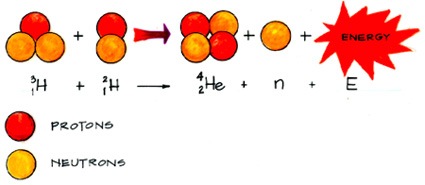
Which process involves the joining of small nuclei?
a)
Beta decay
b)
Alpha decay
c)
Nuclear fission
d)
Nuclear fusion
3.

Which process involves the splitting of large nuclei into smaller fragments?
a)
Beta decay
b)
Alpha decay
c)
Nuclear fission
d)
Nuclear fusion
4.
The time taken for half of an amount of radioactive atoms to decay.
a)
Nuclear fusion
b)
Full-life
c)
Dead time
d)
Half-life
5.

Classify this process.
a)
Nuclear fission
b)
Nuclear fusion
c)
Alpha decay
d)
Beta decay
6.
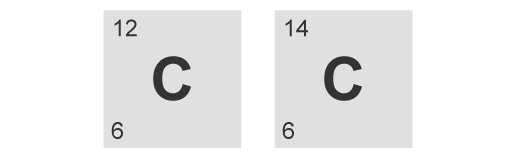
How are these isotopes different?
a)
Different atomic numbers
b)
Different number of protons
c)
Different number of neutrons
d)
Different number of electrons
7.
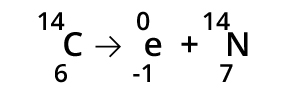
What type of nuclear equation is this?
a)
fusion
b)
fission
c)
alpha
d)
beta
8.
Which of the following is an example of nuclear fusion?
a)
A plutonium atom is used to start a chain reaction that detonates a nuclear weapon
b)
A uranium atom is split apart into lighter elements
c)
Two hydrogen atoms are combined to form a helium atom
d)
Two hydrogen atoms bond with an oxygen atom to form a water molecule
9.
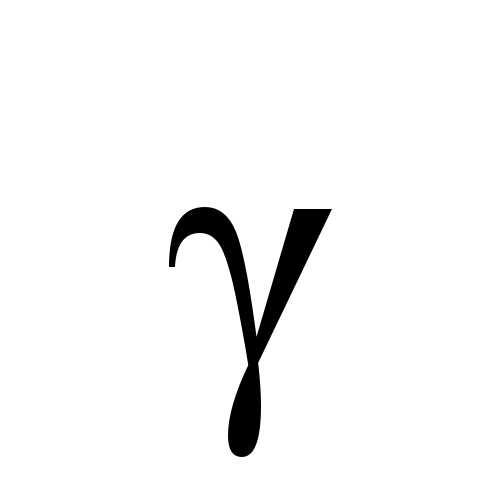
Has the symbol
a)
Alpha
b)
Beta
c)
Gamma
d)
electron
10.

Has the symbol
a)
Alpha
b)
Beta
c)
Gamma
d)
proton
11.
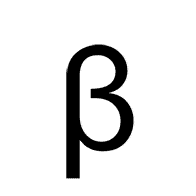
Has the symbol
a)
Alpha
b)
Beta
c)
Gamma
d)
neutron
12.

Which type of nuclear radiation is being emitted here?
a)
Alpha
b)
Beta
c)
Gamma
d)
none
13.
What do carbon-12 and carbon-14 have in common?
a)
They have the same number of protons
b)
They have the same number of neutrons
c)
They have the same atomic mass
d)
They have the same atomic weight
14.
How is carbon-12 different from carbon-14?
a)
They have a different number of protons
b)
They have a different number of electrons
c)
They have a different number of neutrons
d)
They are different elements
15.
The three types of nuclear radiation are _______ radiation, _________radiation, and _____________ radiation.
a)
alpha, beta, and gamma
b)
theta, beta, and kappa
c)
alpha, beta, positron
16.
After one ____________ of a radioactive element, half of the original radioactive material remains.
a)
half-life
b)
cycle
c)
decay
17.
The power that fuels our sun is from
a)
Nuclear fusion
b)
Nuclear fission
18.

What type of nuclear equation is this?
a)
beta
b)
gamma
c)
alpha
19.
The technetium-99 isotope has a half-life of 6.0 hours. If 100.0 mg were injected into a patient how much remains after 2 half-lives?
a)
75 mg
b)
50 mg
c)
100 mg
d)
25 mg
Reset

