
 Worksheets
The Periodic Law
Total questions: 207
Worksheet time: 2hrs 29mins
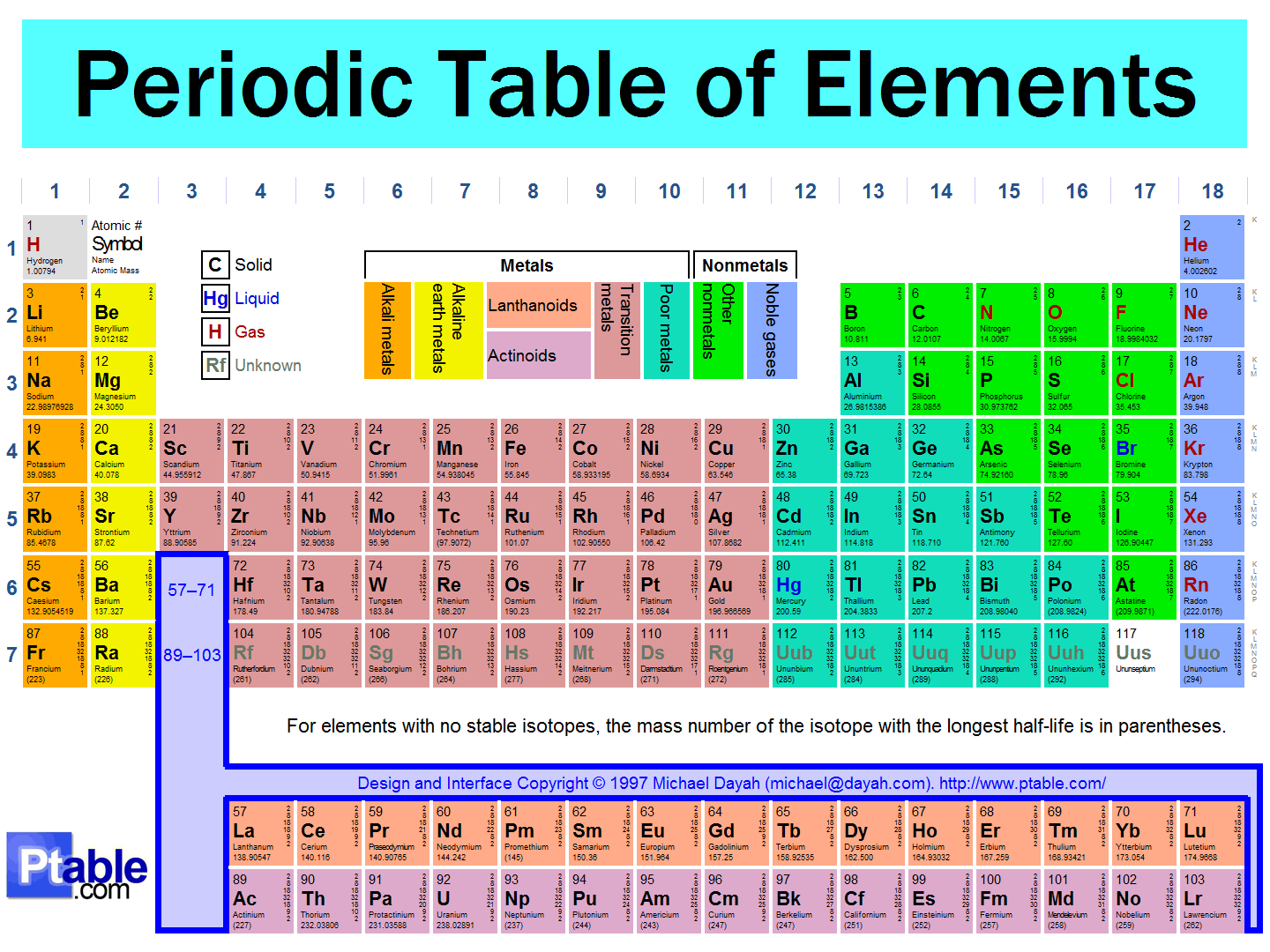
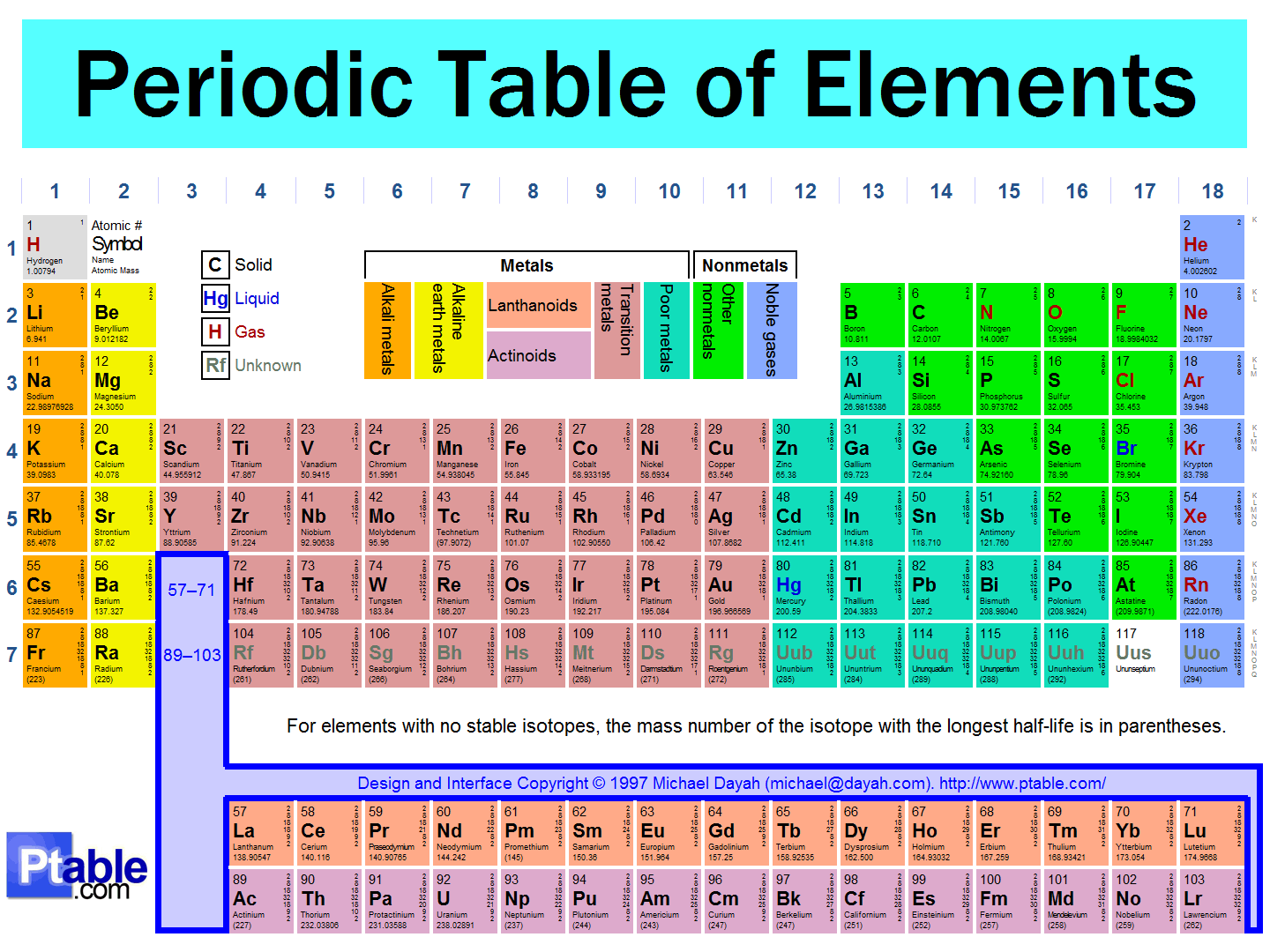
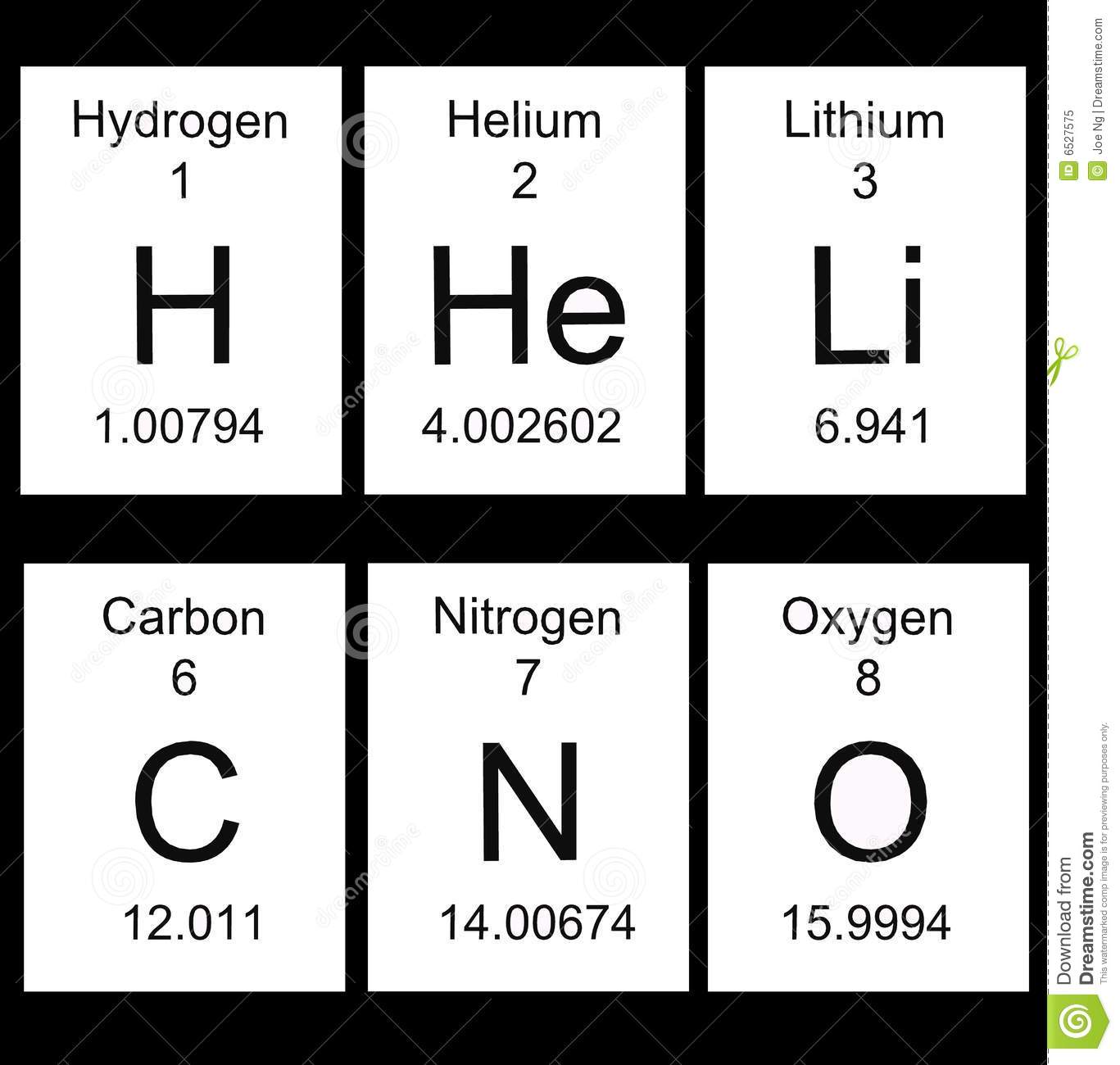
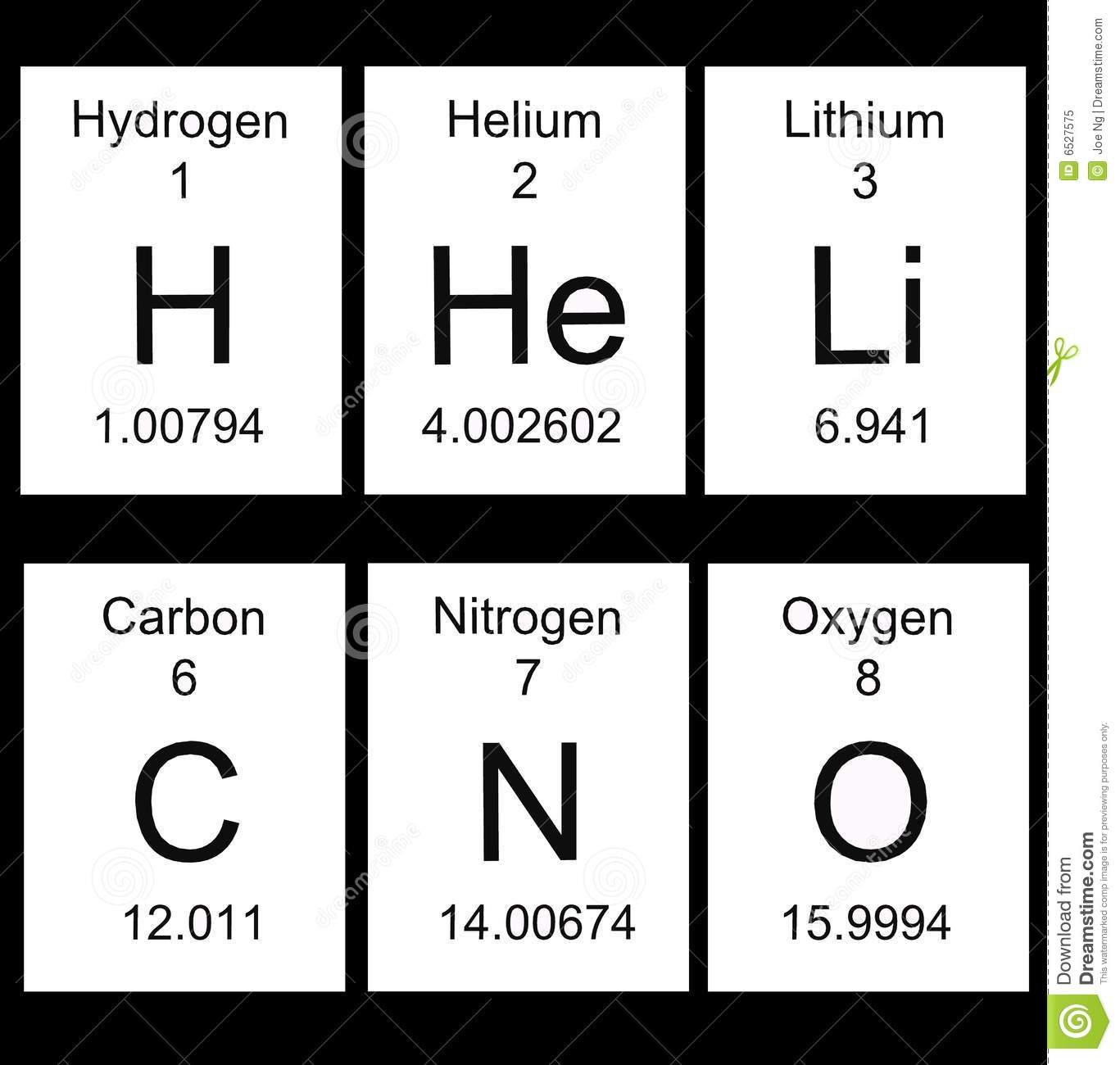


What is the name of group number 1?
halogens
noble gases
alkali metals
alkaline earth metals
What is the name of group number 2?
transition metals
halogens
metaloids
alkaline earth metals
who discovered the first scientific and systematic periodic table
Henry Mosley
Dmitri Mendeleev
John Dalton
sir Isaac Newton
Which one is correct about mendeleev's periodic law
Properties of elements are periodic function of their atomic mass
the physical and chemical properties of elements are periodic function of their atomic number.
physical properties of elements are periodic function of their atomic weight.
chemical properties of elements are periodic function of their atomic number.
Which person was the first to organize the periodic table by atomic mass?
J. Newlands
Dmitri Mendeleev
Lothar Meyer
How are the elements arranged on the periodic table today?
By atomic mass
By number of electrons
By atomic number
By alphabetic order
Who arranged the elements by increasing atomic number?
John Newlands
Lothar Meyer
Dmitri Mendeleev
Henry Moseley
Who proposed the Law of Octaves?
Lothar Meyer
Henry Moseley
John Newlands
Dmitri Mendeleev
Which element is not a metal?
Hg
Rh
Al
C
What period and group is Chlorine (Cl)?
Period 3, Group 14
Period 3, Group 17
Period 2, Group 17
Period 2, Group 14
What period and group is Arsenic (As)?
Period 3, Group 14
Period 3, Group 15
Period 4, Group 15
Period 4, Group 14
The number of periods and groups in the
periodic table are______.
6,16
7,17
8,18
7,18
Who organized the first periodic table?
Mendeleev
Moseley
Mozart
Lavosier
Identify the period and group of the element that has the electron configuration 1s2 2s2 2p6 3s2 3p3.
Period 2 group 12
Period 3 group 11
Period 3 group 13
Period 3 group 15
Which of the following would be found in Group 4?
Silicon (Si)
Titanium (Ti)
Sodium (Na)
Potassium (K)
What is the electron configuration of the element in period 3, group 16?
1s2 2s2 2p6 3s2 3p1
1s2 2s2 2p6 3s2 3d10 3p4
1s2 2s2 2p6 3s2 3p4
1s2 2s2 2p6 3s2 3p2
Which one is correct about mendeleev's periodic law
Properties of elements are periodic function of their atomic mass
the physical and chemical properties of elements are periodic function of their atomic number.
physical properties of elements are periodic function of their atomic weight.
chemical properties of elements are periodic function of their atomic number.
Which person was the first to organize the periodic table by atomic mass?
J. Newlands
Dmitri Mendeleev
Lothar Meyer
What is the maximum number of electrons that an S orbital can have?
1 electron
2 electrons
3 electrons
4 electrons

How many electrons can the d sublevel(orbital) hold?
8
10
2
4
Which area on the periodic table represents the electrons in the "d" sublevel?
representative elements
columns 3-8
rare earth elements
transition elements
Each row on the periodic table represents:
an energy level
a sublevel
an electron
an orbital
Energy levels are denoted by:
letters
numbers
a combination of letters and numbers
subscripts
Which of the following is not a correct designation for a sublevel?
zz
p
d
f
How many electrons can the second shell have?
Two
Eight
Five
Three
The vertical (up and down) columns in the Periodic Table are called
groups
towers
periods
atomic numbers
Elements in the same group have the same
Properties
Number of electrons
Number of protons
Nucleus
Atomic number
The number of protons in the nucleus of an atom
a measure of the size of its atom
formulated the first Periodic Law and created a farsighted version of the periodic table of elements that arranged elements by their properties and not atomic mass.
Negatively charged particle that orbits the nucleus of an atom.
Atomic Radii
The number of protons in the nucleus of an atom
a measure of the size of its atom
formulated the first Periodic Law and created a farsighted version of the periodic table of elements that arranged elements by their properties and not atomic mass.
Negatively charged particle that orbits the nucleus of an atom.
Dmitri Mendeleev
The number of protons in the nucleus of an atom
a measure of the size of its atom
formulated the first Periodic Law and created a farsighted version of the periodic table of elements that arranged elements by their properties and not atomic mass.
Negatively charged particle that orbits the nucleus of an atom.
Electron
The number of protons in the nucleus of an atom
a measure of the size of its atom
formulated the first Periodic Law and created a farsighted version of the periodic table of elements that arranged elements by their properties and not atomic mass.
Negatively charged particle that orbits the nucleus of an atom.
Electron configuration
the arrangement of electrons in an atom
a measure of the ability of an atom in a chemical compound to attract electrons
reformulated the periodic table based on atomic number better fitting the periodic law and pattern seen by scientists.
the energy required to remove an electron from an atom or ion
Electronegativity
the arrangement of electrons in an atom
a measure of the ability of an atom in a chemical compound to attract electrons
reformulated the periodic table based on atomic number better fitting the periodic law and pattern seen by scientists.
the energy required to remove an electron from an atom or ion
Henry Moseley
the arrangement of electrons in an atom
a measure of the ability of an atom in a chemical compound to attract electrons
reformulated the periodic table based on atomic number better fitting the periodic law and pattern seen by scientists.
the energy required to remove an electron from an atom or ion
Ionization Energy
the arrangement of electrons in an atom
a measure of the ability of an atom in a chemical compound to attract electrons
reformulated the periodic table based on atomic number better fitting the periodic law and pattern seen by scientists.
the energy required to remove an electron from an atom or ion
Orbital
a region of an electron subshell where there is a high probability of finding electrons.
a vertical column of elements in the periodic table; elements in the same group share chemical properties
The physical and chemical properties of the elements are periodic functions of their atomic numbers
a horizontal row of elements in the periodic table
Periodic Group
a region of an electron subshell where there is a high probability of finding electrons.
a vertical column of elements in the periodic table; elements in the same group share chemical properties
The physical and chemical properties of the elements are periodic functions of their atomic numbers
a horizontal row of elements in the periodic table
Periodic Law
a region of an electron subshell where there is a high probability of finding electrons.
a vertical column of elements in the periodic table; elements in the same group share chemical properties
The physical and chemical properties of the elements are periodic functions of their atomic numbers
a horizontal row of elements in the periodic table
Periodic Period
a region of an electron subshell where there is a high probability of finding electrons.
a vertical column of elements in the periodic table; elements in the same group share chemical properties
The physical and chemical properties of the elements are periodic functions of their atomic numbers
a horizontal row of elements in the periodic table
Periodic Properties
recurring trends in physical and chemical characteristics of elements.
an electron that is found in the outermost shell of an atom and that determines the atom’s chemical properties.
The energy level at which electrons orbit the nucleus of an atom.
a subdivision of electron shells. Broken into s,p,d,f subshells
Which has the smaller Electronegativity?
Cl
Al
Which has the larger Electronegativity?
Carbon
Nitrogen
Which of the following will have a larger radius than Gallium (Ga)?
Ge
Al
Mg
Sr
Which of these has the smallest atomic radius?
K
Rb
Fr
Cs
Which has the smaller ionization energy?
P
Mg
Which has the highest ionization energy?
Ca
As
Br
Which would be the easiest to take an electron from?
He
F
Ba
Fr
Which element would want to keep its electrons the most?
O
S
Al
Rb
As you move to the right across the periodic table atoms tend to get smaller because, ______________.
the atoms have more mass.
the atoms have more neutrons
the atoms have more protons.
the atoms have more electrons.


Which species has the larger radius?
Cl
Cl-
Which species has the larger radius?
Na
Na+
Which is larger... P or P3- ? … and why?
P3- because it gains an energy level
P3- due to extra electron repulsion
P because it loses an energy level
P because of extra electron repulsion
Ra, Be, Ca, Rb, H
Arrange these species in increasing order of size.
Cl- , Ca2+ , S2- , Ar , K+
Ca2+ > K+ > Ar > Cl- > S2-
S2- > Cl- > Ar > K+ > Ca2+
Ca2+ < K+ < Ar < Cl- < S2-
S2- < Cl- < Ar < K+ < Ca2+

Which has the highest ionization energy?
Arsenic
Iron
ZInc
Cobalt
Going down the group, the atomic radius of elements increases. Why is that so?
the number of shell (n) increases
Shielding effect increases
Nucleus attraction towards valence electrons weaker
All of the above
What is the trend for electronegativity as you move left to right across a period and why?
EN increases because the shielding effect increases causing the effective nuclear charge to decrease as you add more protons to the nucleus
EN decreases because the shielding effect decreases causing the effective nuclear charge to increase as you add more protons to the nucleus
EN increases because the effective nuclear charge increases as you add protons to the nucleus and increase the number of valence electrons in the outer shell
EN decreases because the effective nuclear charge decreases as you reduce the number of protons in the nucleus and increase the number of valence electrons in the outer shell
What is the trend for EN as you move down a group or family and why?
EN increases because the number of energy levels decrease causing an increase in the shielding effect and a decrease in the effective nuclear charge.
EN decreases because the number of energy levels increases causing an increase in the shielding effect and a decrease in the effective nuclear charge
EN increases because the number of energy levels increases causing a decrease in the shielding effect and an increase in the effective nuclear charge
EN decreases because the number of energy levels decrease causing a decrease in the shielding effect and a decrease in the effective nuclear charge.
Which element has the greatest electronegativity?
Si
S
Ar
Na
Which element has the lowest electronegativity?
Sr
Mg
Ra
Ca
Which element has the least effective nuclear charge?
N
F
Li
Be
Arrange the following elements in order by increasing electronegativity - Sn, Sr, I, Ag, Zr
Sr, Zr, Ag, Sn, I
Sr, Ag, Zr, I, Sn
I, Sn, Ag, Zr, Sr
Sn, I, Zr, Ag, Sr
The trend for reactivity for metals is that the reactivity _______ as you go across the period and it _________ as you move down a group.
increases, increases
decreases, decreases
does not change, decreases
decreases, increases
The trend for reactivity for nonmetals is that as you move across from left the right reactivity __________(except for noble gases) and as you move down a group the reactivity _________
increases, increases
decreases, decreases
decreases, increases
increases, decreases
Which of the following nonmetals are the most reactive?
Ge
Kr
Se
Br
Which of the following nonmetals are the most reactive?
Po
S
Se
O
What is the most reactive nonmetal?
I
F
N
At
What is the most reactive metal?
Li
Be
Fr
H
Metals that are the most reactive have the following characteristics
small atomic radius, high ionization energy, high electronegativity
large atomic radius, high ionization energy, low electronegativity
large atomic radius, low ionization energy, low electronegativity
small atomic radius, low ionization energy, low electronegativity
As you move down a group the effective nuclear charge ________ as the shielding effect _________
decreases, increases
decreases, decreases
increases, increases
increases, decreases
The most reactive nonmetals have _____ valence electrons
1
2
7
8
The most reactive metals have _____ valence electrons.
1
2
7
8
Which element has an electronegativity of 4.0, the highest of all elements?
H
Fr
He
F
Which element has an electronegativity of 0.7, the lowest of all the elements?
H
He
F
Fr
Metals are electron _______ because they tend to _______ electrons in order to become stable like the noble gases.
takers, lose
takers, gain
givers, gain
givers, lose
What has the greatest effect on electronegativity as you move across a period? (check all that are correct)
shielding effect
effective nuclear charge
number of neutrons
number of protons
number of energy levels

Which element has the greater ionization energy?
Magnesium (Mg)
Phosphorus (P)
The distance between nucleus and outermost shell occupied electron
Atomic Radii
Ionization Energy
Electronegativity
Electron Afinity
Oxidation Number
The energy it takes to remove one electron from an atom
Atomic Radii
Ionization Energy
Electronegativity
Electron Afinity
Oxidation Number
The tendency of an atom to attract a shared pair of electrons
Atomic Radii
Ionization Energy
Electronegativity
Electron Afinity
Oxidation Number
The amount of energy released when an electron is added to a neutral atom to form a negative ion
Atomic Radii
Ionization Energy
Electronegativity
Electron Afinity
Oxidation Number
Which element has lower ionization energy?
Chlorine is lower than Sodium
Phosphorus is lower than Nitrogen
Carbon is lower than Silicon
Aluminium is lower than Magnesium
Which element has higher electronegativity?
Fluorine is higher than Oxygen
Potassium is higher than Sodium
Aluminium is higher than Boron
Phosphorus is higher than Chlorine
Which element has higher electronegativity?
Fluorine is higher than Oxygen
Potassium is higher than Sodium
Aluminium is higher than Boron
Phosphorus is higher than Chlorine
Which element has higher electron affinity?
Bromine is higher than Calsium
Chlorine is higher than Fluorine
Magnesium is higher than Beryllium
Sodium is higher than Aluminium
Which element has lower electron affinity?
Bromine is lower than Calsium
Chlorine is lower than Fluorine
Berylliumis lower than Magnesium
Aluminium is lower than Sodium
Which element is more metallic?
Sodium is more metallic than Aluminium
Fluorine is more metallic than Beryllium
Potassium is more metallic than Lithium
Chlorine is more metallic than Silicon
Which element is less metallic?
Sodium is less metallic than Aluminium
Beryllium is less metallic than Fluorine
Lithium is less metallic than Potassium
Chlorine is less metallic than Silicon

Which color on the image of the periodic table corresponds with the halogens.
red
black
blue
orange
Which color on the image of the periodic table corresponds with the lanthanides.
red
black
blue
orange
Which color on the image of the periodic table corresponds with the transition metals.
red
black
blue
orange
Which of the following are poor conductors of heat and electricity?
metals
metalloids
nonmetals
alkaline earth elements
Which group on the periodic table is known as the alkaline earth metals?
group 1A
group 2A
group 8A
group 7A
Halogens are good disinfectants. Which of the following is a halogen?
N
O
Cl
Fe

Why do atomic numbers jump by 15 from left to right in the section of the periodic table shown above?
The missing elements have not yet been discovered.
The missing elements are all radioactive.
The missing elements form the lathanide and actinide series, usually found below the periodic table.
The missing elements do not exist.

Why are both hydrogen and cesium s-block elements, when hydrogen has one electron and cesium has 55?
All blocks contain at least one element from each period.
Blocks of elements on the periodic table are based only on an element's valence electrons.
The s-block includes only the most reactive elements.
They have identical electron configurations.
Atoms of elements in group 1 have ____________.
one electron in their outermost energy level
two electrons in their outermost energy level
seven electrons in their outermost energy level
eight electrons in their outermost energy level
Which of the blocks on the periodic table contains the most elements?
s block
p block
d block
f block

What makes the d block wider than either the s block or the p block?
The d sub-orbital can hold ten electrons, making the d block ten elements wide.
The d block is the most researched area of the periodic table.
The elements in the d block are more important than the elements in the rest of the table.
The elements in the d block are all metals.

Atoms with large ionization energy values are __________.
more likely to form positive ions
less likely to form positive ions
most likely to lose their outer electrons
lacking valence electrons lacking valence electrons

Why are the ionic radii generally larger for group 15 than for group 17?
Atoms in group 15 are larger than atoms in group 17.
Atoms in group 15 have more protons than atoms in group 17
Ions forming from group 15 atoms have a greater negative charge than ions forming from group 17 atoms.
Atoms in group 15 are less likely to lose electrons than atoms in group 17.
element Triads have similar properties; quantitative properties of middle element are the average of the other two in the triad; had lots of exceptions
Meyer
Mosley
Mendeleev
Dobereiner
first to organize the elements by atomic mass; noticed patterns in every 8th element; law of octaves; left no gaps for future discovery; law of octaves did not work for larger elements
Dobereiner
Mendeleev
Seaborg
Newlands
synthesized many elements past Uranium and reorganized the table by adding an f-block
Seaborg
Mosley
Meyer
Mendeleev
organized elements by atomic number; modern periodic table; fixed some of inconsistencies from "best" of the historic periodic tables
Meyer
Mosley
Newlands
Mendeleev
all have full valence shell; inert gases; "nonreactive"
Halogens
Actinides
Metalloids
Noble Gases
Which element would have a larger atomic radius?
tellurium, Te
beryllium, Be
Which of these shows the correct relationship for atomic and ionic radii?
Ca < Ca2+
N > N3-
K > K+
Fe2+ = Fe3+
Which of these elements has a greater ionization energy?
magnesium, Mg
barium, Ba
Which of these elements has a higher ionization energy?
potassium, K
germanium, Ge
Which of these elements will have the higher electronegativity?
oxygen, O
polonium, Po
Which of these elements will have the higher electronegativity?
nitrogen, N
beryllium, Be
Which ion will have a greater radius?
Sr2+
Mg2+
Which ion will have a greater radius?
Al3+
Na+
Which atom's valence electrons will experience the greater Coulombic attraction to the nucleus?
aluminum, Al
chlorine, Cl
Which atom's valence electrons will experience the greater Coulombic attraction to the nucleus?
helium, He
krypton, Kr

Where is there a big jump of ionization energy increase for the element Silicon(Si)?
between 1 and 2
between 6 and 7
between 7 and 8
between 4 and 5

Why is there a large jump in ionization energy 1 and 2 for Lithium?
the valence electrons are harder to lose than core electrons
the valence electrons are easier to lose than core electrons
After the atom is ionized, it then requires more energy to remove a second electron because the second electron is nearer the nucleus.

Which element has the greater ionization energy?
Iodine (I)
Chlorine (Cl)
Select ALL that explain the ionization energy trend within groups
electrons are closer to the nucleus
their is a weak pull between electrons from the nucleus, making them easily moveable
feel more of a pull from nucleus, making them harder to move
electrons are further from the nucleus
Select ALL that explain the ionization energy trend within periods
electrons are closer to the nucleus
their is a weak pull between electrons from the nucleus, making them easily moveable
feel more of a pull from nucleus, making them harder to move
electrons are further from the nucleus
What makes a valence electron less attracted to the nucleus?
less distance between the nucleus and having less protons
less distance between the nucleus and having more protons
more distance between the nucleus and having less protons
more distance between the nucleus and having more protons

Beryllium has higher first ionization energy than Boron because ___________________
the first electron is removed from partially filled orbital
the first electron is removed from half filled orbital
the first electron is removed from completely filled 2s orbital
Be has smaller atomic radius
What are/is the factors that influence the ionisation energy? (you may click more than one)
Atomic Size
Effective Nuclear Charge
Shielding effect
Orbital stability
Choose the arrangement that shows increasing first IE in Period 2:
Boron < Carbon < Nitrogen
Nitrogen < Carbon < Boron
Boron < Nitrogen < Carbon
Carbon < Nitrogen < Boron
Choose the arrangement that shows increasing first IE in Period 3:
Aluminium < Phosphorus < Silicon
Aluminium < Silicon < Phosphorus
Silicon < Aluminium< Phosphorus
Silicon < Phosphorus< Aluminium