
NEW
Font size
S
M
L
XL
 Worksheets
space
Total questions: 28
Worksheet time: 17mins
Name
Class
Date
1.
The Sun, eight planets, and thousands of stars make up the
a)
outer planets
b)
inner planets
c)
solar system
d)
light years
2.
What is the name for a star pattern that is visible in the night sky?
a)
a meteoroid
b)
a solar system
c)
a star chart
d)
a constellation
3.
Which planet is the largest in the solar system and has a Great Red Spot?
a)
Jupiter
b)
Mars
c)
Mercury
d)
Saturn
4.
Which objects cause craters to form a planet?
a)
meteors
b)
meteorites
c)
comets
d)
moons
5.
Which of the following statements is correct?
a)
The outer planets are warmer than the outer planets.
b)
The outer planets are smaller than the inner planets
c)
The outer planets are made of gas.
d)
The outer planets have rocky surfaces.
6.
Which is the correct order of the inner planets?
a)
Jupiter, Saturn, Uranus, Neptune
b)
Mercury, Venus, Earth, Mars
c)
Mercury, Earth, Mars, Venus
d)
Jupiter, Mars, Uranus, Neptune
7.
What do people use to locate star patterns?
a)
star charts
b)
cameras
c)
state maps
d)
mirrors
8.
Suppose you see the constellation Orion. How will it look if you view it from the same place 12 months from now?
a)
It will look the same because the Earth will have orbited once around the Sun.
b)
It will look different because stars orbit the Earth.
c)
It will look the same because stars are brighter in the winter.
d)
It will look different because stars will be farther from the Earth.
9.
What is one characteristic of Saturn?
a)
It would sink in water.
b)
it has a very large volcano.
c)
It has a large system of rings.
d)
It is tilted much more on its axis than other planets.
10.
Which separates the inner planets from the outer planets?
a)
Venus
b)
comets
c)
earth
d)
an asteroid belt
11.
Which keeps moons in their orbit?
a)
the gravitational pull of their planets
b)
The gravitational pull of the Sun
c)
the gravitational pull of asteroids
d)
the gravitational pull of other moons.
12.
Which planet has an atmosphere made mostly of poisonous gases?
a)
earth
b)
Mercury
c)
Venus
d)
Mars
13.
Which planet rotates on its side as seen from Earth?
a)
Earth
b)
Venus
c)
Uranus
d)
Neptune
14.
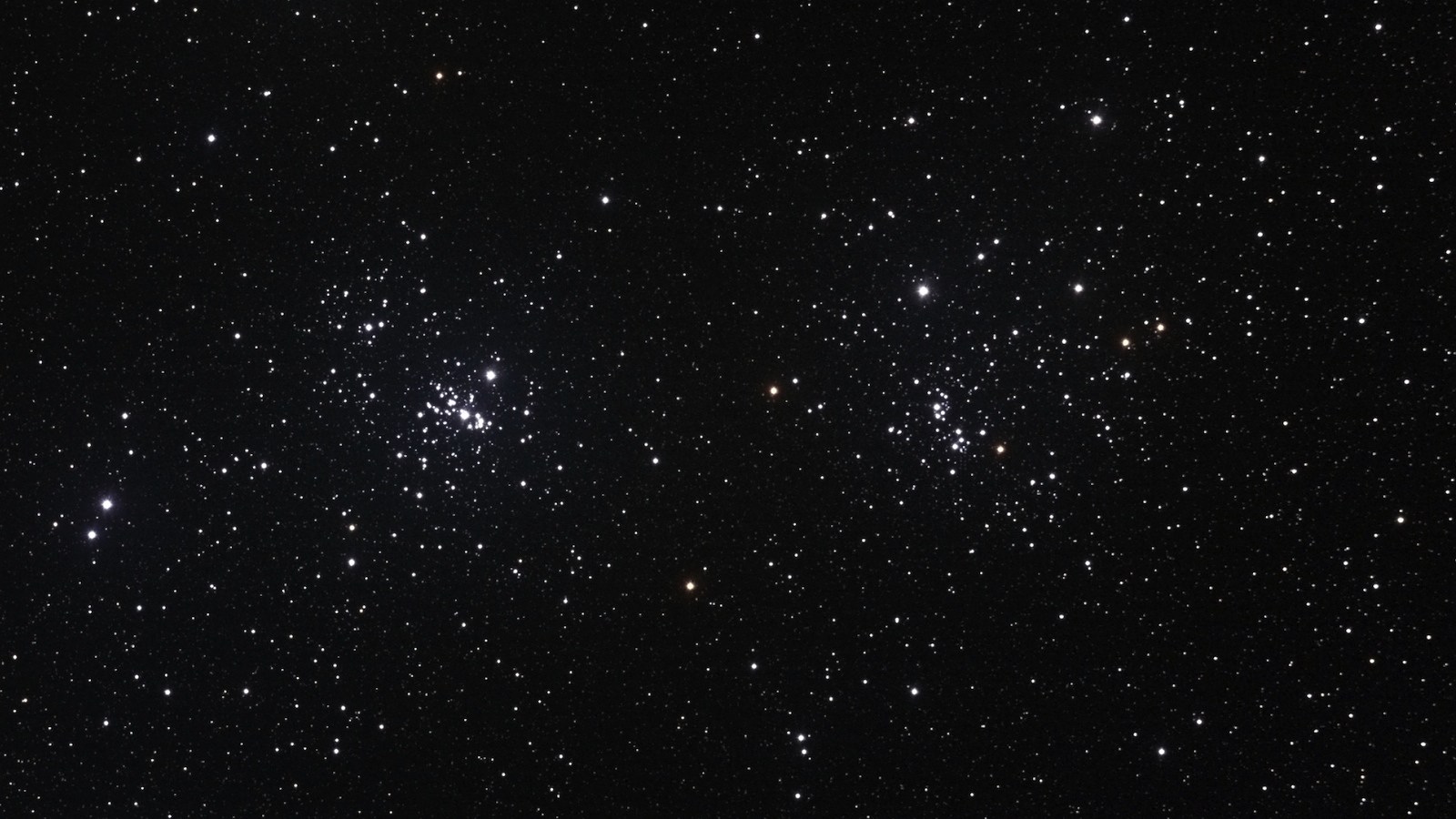
Why do other stars appear so much smaller than the sun?
a)
They are much smaller
b)
They are so far away
c)
They are not as bright
d)
They are dwarf stars
15.

What color of star is the hottest?
a)
Blue
b)
Red
c)
Yellow
d)
Orange
16.

What color of star is the coolest?
a)
Red
b)
Yellow
c)
Blue
d)
White
17.

What is the name of the largest stars?
a)
Protostars
b)
Supergiants
c)
Red Giants
d)
Dwarf Stars
18.

What is the name of baby stars?
a)
Dwarf
b)
Supergiant
c)
Protostars
d)
Nebulas
19.
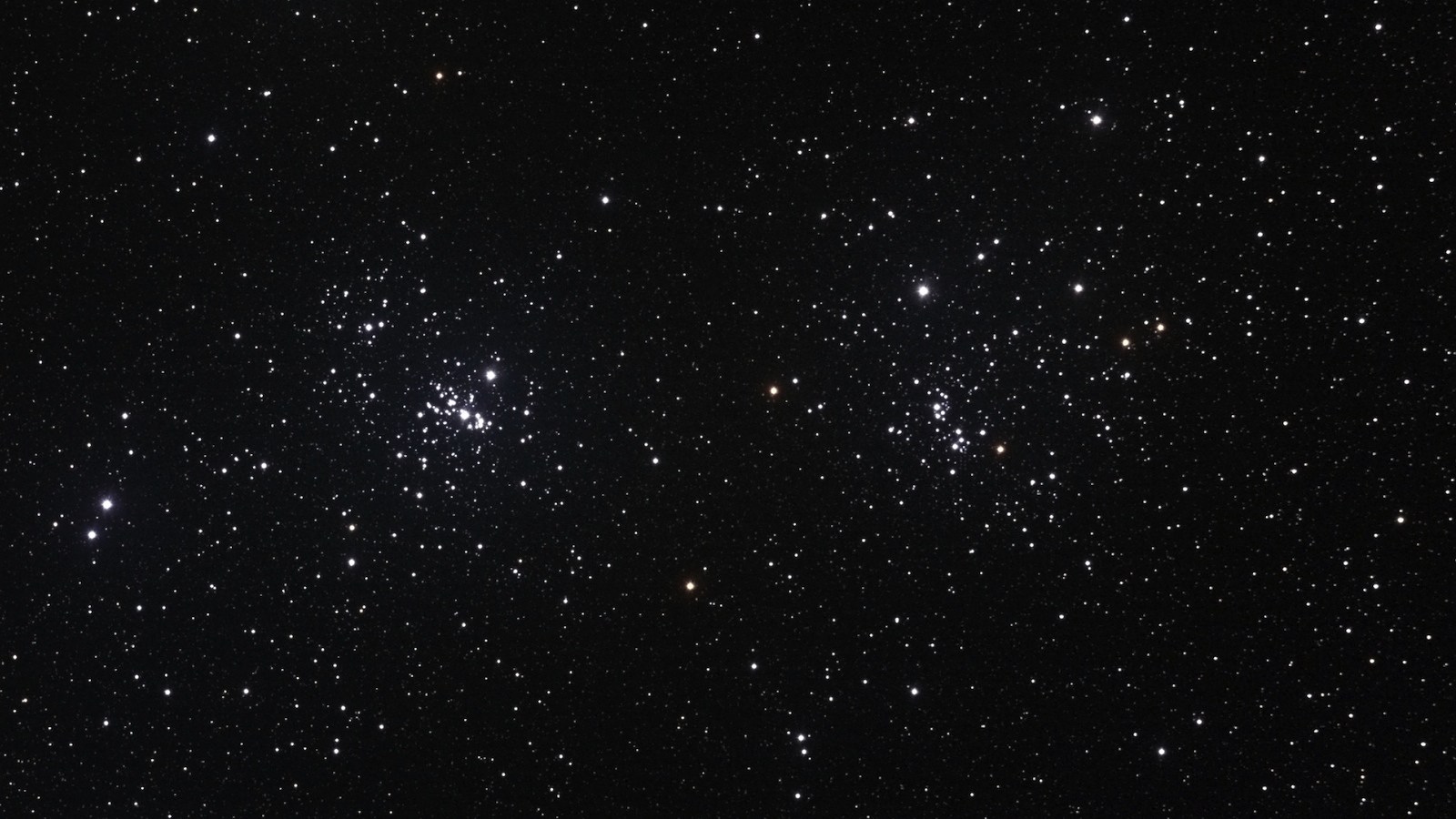
True or False
Stars are really close together in outer space.
Stars are really close together in outer space.
a)
True
b)
False
20.

To get the sun to appear bigger in our sky, how would the distance between the sun and earth have to change?
a)
Earth would have to move closer to the sun
b)
Earth would have to move farther from the sun
21.

What are stars?
a)
Rocky bodies
b)
Hot exploding balls of gas
c)
5 pointed shapes
d)
Hollywood actors
22.
The color of the star tells us its
a)
composition
b)
Temperature
c)
Luminosity
d)
Mass
23.
What do we use to classify the temperature, brightness, and size of stars?
a)
Color
b)
The star's shape
c)
H-R Diagram
24.
Scientists use spectra from stars to determine...
a)
the temperature of a star.
b)
the composition of a star.
c)
the star's distance from Earth.
d)
the star's movement.
25.
What do we use to determine the actual motion of stars?
a)
Surface temperature
b)
Parallax
c)
Doppler effect
d)
Size
26.
Stars that are closer appear to move more than distant stars due to the phenomenon called...
a)
periphelion
b)
parallel
c)
prism
d)
parallax
27.

Which star has the lowest luminosity?
a)
A
b)
B
c)
C
d)
D
28.

Which star has the lowest temperature?
a)
A
b)
B
c)
C
d)
D
Reset

