
 Worksheets
1.2: Boiling, evaporating, and condensing
Total questions: 34
Worksheet time: 20mins
When a substance changes from one state to another, its particles ____________
change
don't change
When a liquid becomes a gas, the attractive forces between the particles ............................
stays the same
become stronger
become very weak
The temperature at which a solid turns into a liquid.
Boiling Point
Freezing Point
Melting Point
The temperature at which a liquid turns into a solid.
Boiling Point
Melting Point
Freezing point
The temperature at which a liquid turns into a gas.
Boiling Point
Melting Point
Freezing Point
The Melting point of ice is ...........
100 o C
0 o C
-2 o C
Pure water boils at ...............
0 o C
100 o C
95 o C

Which material has the lowest melting point?
Olive Oil
Mercury
Ice
Chocolate

Which material has the highest melting point?
Sugar
Silver
Glass
Iron

Room temperature is around 22 oC.
Name three materials that are solids at 22 o C.
Olive oil
Glass
Chocolate
Salt

Which material is a liquid at 22 o C?
Sugar
Salt
Olive Oil
Aluminum

Which material needs the most heat to melt?
Gold
Glass
Iron
Salt
Physical changes can be reversed by adding or removing energy.
true
false
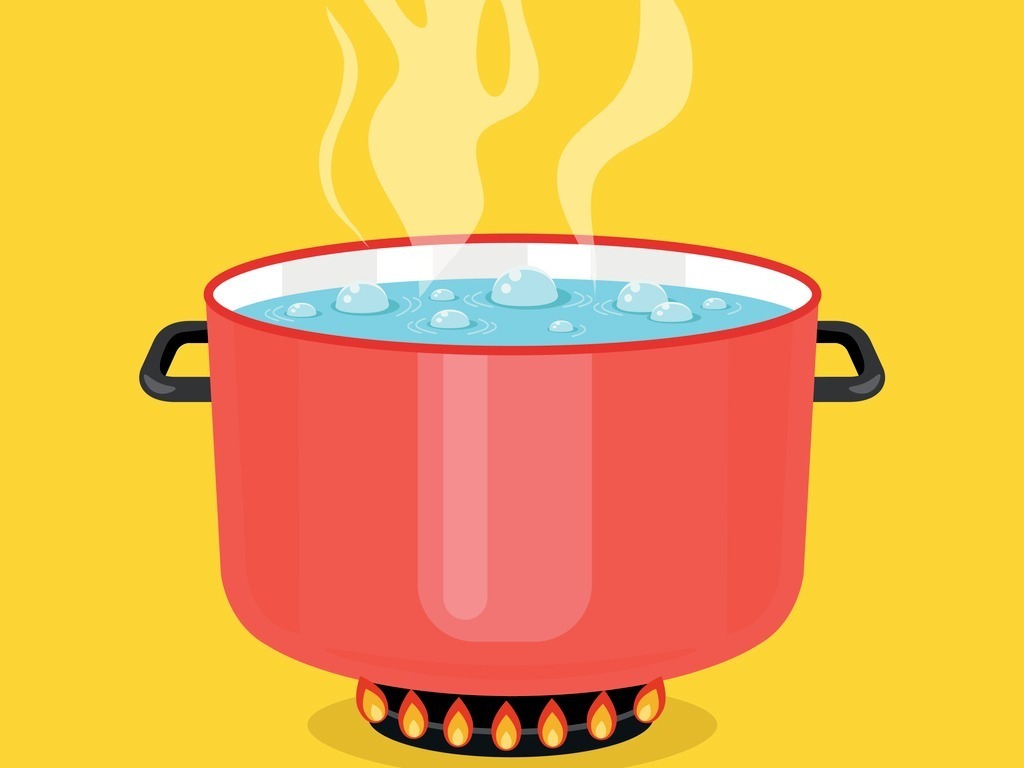
What is happening at the boiling point?
liquid to gas
solid to liquid
gas to liquid
liquid to solid

This picture shows the particles of ..........
gas
liquid
solid
All substances have the same melting and boiling points
false
true


What is the change in the state of matter called?
Evaporation
Condensation
Sublimation
Melting

What is the change in the state of matter called?
Evaporation
Condensation
Freezing
Melting

What is the change in the state of matter called?
Evaporation
Condensation
Freezing
Melting

What is the change in the state of matter called?
Evaporation
Condensation
Freezing
Melting
When a substance is heated, particles will
Move further apart
Get larger
Move closer together
Be unaffected
When heated, a substance expands and its density...
Increases
Stays the same
Decreases
Fluctuates
The process when a solid turns into a gas
Sublimation
Deposition
Evaporation
Melting
The process when a gas turns into a solid
Deposition
Weathering and Erosion
Super freezing
Sublimation
What is the term given to the temperature at which a liquid changes to a solid?
Melting point
Boiling point
Sublimation point
Freezing point
True/False: When a substance changes state, its mass also changes.
FALSE
TRUE
True/False: When a substance changes state, its density remains the same.
FALSE
TRUE
True/False: When a substance is heated, the change in energy causes the attraction force between particles to become stronger.
FALSE
TRUE
True/False: Evaporation and condensation are opposite processes.
FALSE
TRUE
True/False: Melting and boiling are opposite processes.
FALSE
TRUE

