
 Worksheets
Final Review Economics
Total questions: 80
Worksheet time: 30mins

Where do banks get the money to lend out to consumers?
From their clients' credit card accounts
From their clients' savings accounts
From the Federal government
From their own money vaults

How do banks make money off of the credit they issue?
They charge a large, one-time fee at the start of the loan
They take out a small fee each month from your checking account
They charge a high interest rate on the loan
This is a trick question - they DON'T make money!

Which of the following is NOT a typical type of credit?
Mortgage
Overdraft
Credit Card
Pre-Paid Debit Card

What may NOT impact the interest rate on your loans?
Your relationship with the financial institution
Your credit score
The loan amount
Your level of education

True or False: A cosigner's credit history can be affected by the loan they are cosigned on.
True
False

Which is TRUE when you make only the minimum payment each month?
You ar charged interest on the remaining balance
Your credit line is restored to its maximum amount
Credit card companies have permission to sell your information
It is the fastest way to pay off your debt

Which is TRUE about Payday loans?
You can pay them back in installments
You are charged a 1-time fee for the loan
Most people successfully pay these loans back
You need a credit card account to get one

A shorter auto loan term means ____ monthly payments & ____ total interest you'll pay.
higher, less
lower, more
higher, more
lower, less

True or False: Landlords are required to submit your payment history, which can boost your credit score.
True
False

Which is FALSE about what can happen if you fail to make your mortgage payments?
After one missed payment, you can lose your home
You will be charged fees
Your credit score can take a hit
Foreclosure process starts after 30 days of missed payment

How do federal student loans differ from private student loans?
Fed loans have fewer and less flexible repayment options
Fed loans generally have higher interest rates
Private loan repayment may start while you're in school
Private loans don't require a cosigner, fed loans do

How are credit cards and debit cards different?
They're both linked to a checking account in different ways
Some debit cards say VISA on them; credit cards don't
With a credit card, you are borrowing from yourself
A credit card can offer perks such as purchase protection

If the collateral for your secured loan can be taken away, why get a secured loan at all?
Because they usually have a higher interest rate
Because they usually have a lower interest rate
Banks give you an extra 90 days to make a missed payment
Banks typically don't charge interest for the first 12 months

Why does the amount of INTEREST you owe on a loan decrease over time?
The institution trusts you more, so they lower the interest
With each payment, principal increases; so interest lowers
Banks are legally required to lower interest rates over time
With each payment, principal decreases, so interest lowers

How do you avoid paying interest on your credit card (or any other loan for that matter)?
Always make the minimum payment over time
Pay interest 1st, then pay what you can on leftover balance
Always make the full payment on time
Pay the principal 1st, then pay what you can on interest

Which of the following could be a SECURED loan? (hint: choose 2 correct answers)
Auto loan
Student loan
Mortgage
Overdraft

What information on a Schumer Box should you focus on when choosing a credit card? (hint: choose 3 correct answers)
The term of the credit card
Annual Percentage Rate (APR)
Grace Period
Fees

When can personal loans be a better option than credit cards? (hint: choose 2 correct answers)
If you want to earn rewards and enjoy travel benefits
If you want a lower interest rate
If you want purchase protection & warranties
If you need a lump sum of money right away

Which of the following is TRUE about an auto LOAN and a LEASE? (hint: choose 2 correct answers)
You must give the car back when a lease has expired
Only a loan requires some kind of upfront payment
You make monthly payments on both
Monthly payments tend to be lower with a lease

When repaying your Federal student loans...(hint: choose 2 correct answers)
repayment begins the day after you graduate
a loan servicer will contact you before repayment begins
you are required to begin with the Standard Repayment Plan
you can choose from different repayment plans
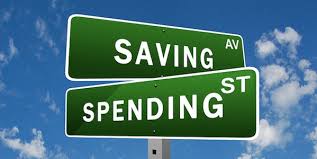


What is a reason for why so many Americans live paycheck-to-paycheck?
Many people are paying themselves first and then spending
Many people only buy what they NEED, not what they WANT
Many people impulse shop
Many people spend within their budget
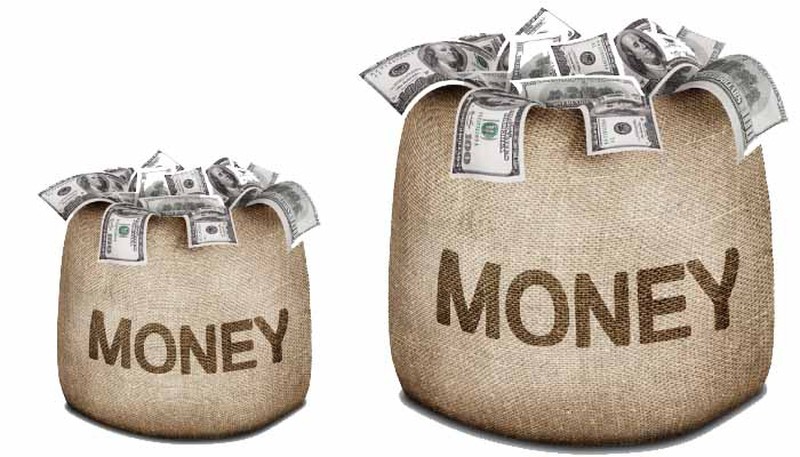
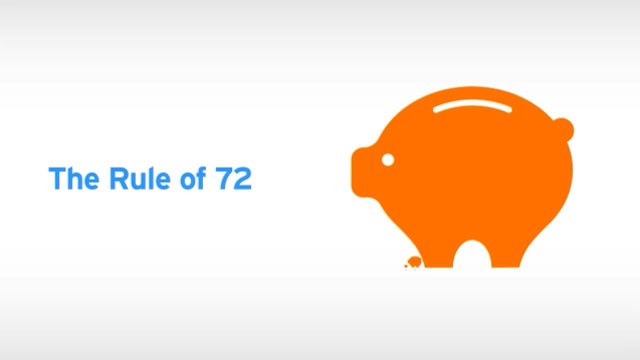
At what rate does your $ need to grow in order to double in 18 years?
2%
4%
6%
8%
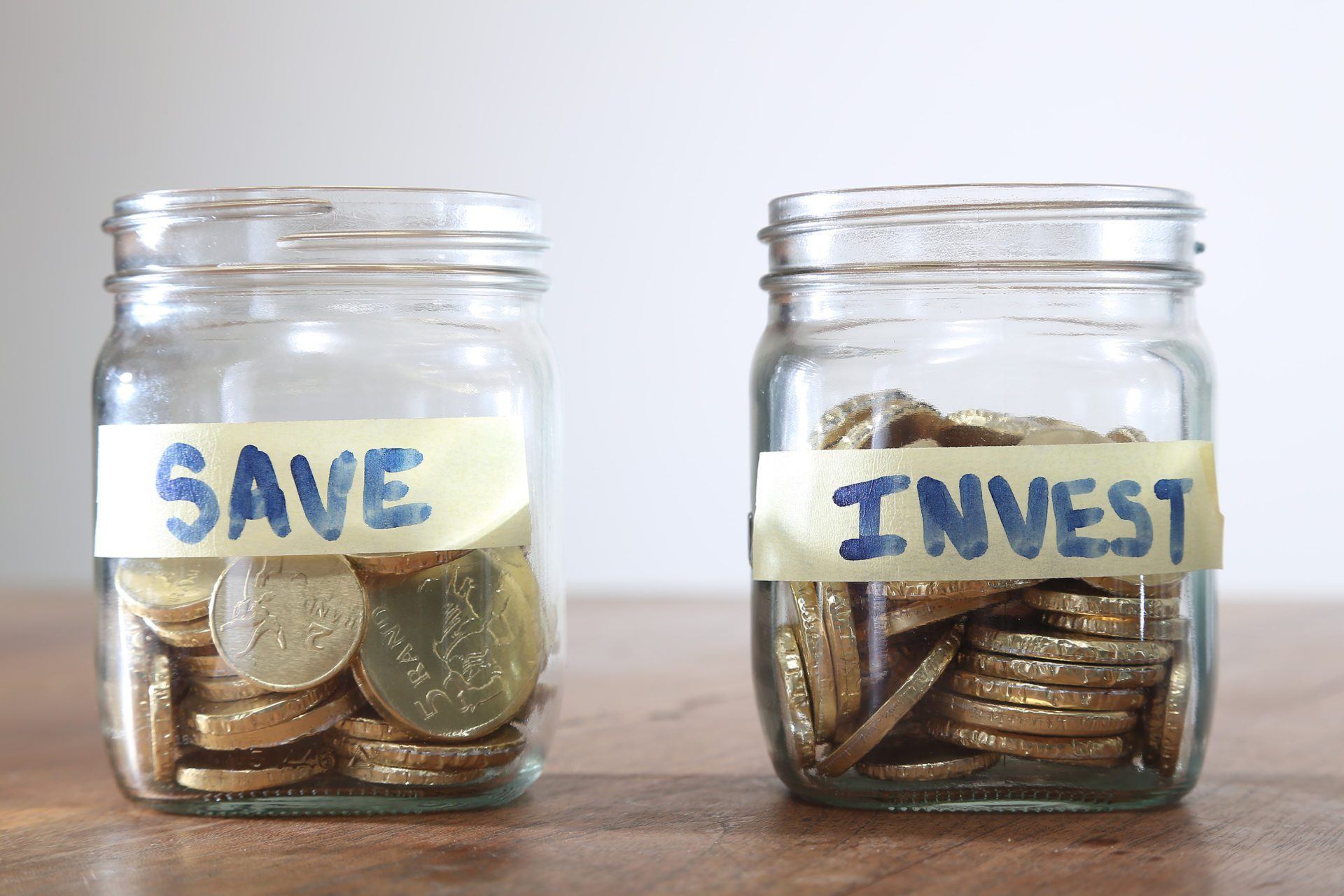
Which of the following is FALSE about saving and investing? (hint: choose 2 correct answers)
Saving doesn't outpace inflation; investing usually does
Both saving and investing generally have low returns
Saving is for short-term; investing is for the long-term
Saving has more risk; investing has less risk
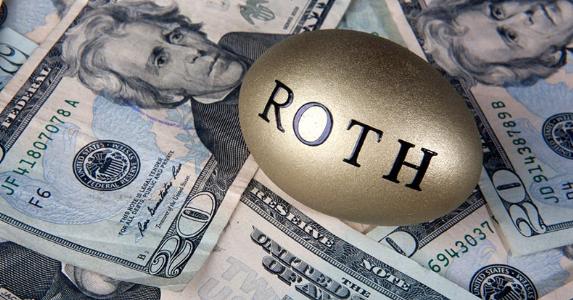
Which of the following is FALSE about opening up a Roth IRA? (hint: choose 2 correct answers)
A person of any age with earned income can open one
It can help teens start saving for retirement early
Compounding occurs at a slower rate in a Roth IRA
You need to put at least $1,000 in it every year

Which is TRUE about online saving accounts? (hint: choose 2 correct answers)
Usually have higher interest rates than non-online accounts
They usually have lower costs compared to brick-and-mortar banks
Online accounts are not FDIC insured
You can withdraw money an unlimited # of times
What might you need to open a savings account? (hint: choose 2 correct answers)
Minimum opening deposit
Your previous year's tax returns (or your parents')
The routing number to a checking account
Identification
Which is TRUE about Certificates of Deposit (CDs)? (hint: choose 2 correct answers)
You agree to keep $ in a CD for an undetermined period of time
You pay the bank some interest to keep $ in the CD
The bank can loan out the $ in your CD
The bank pays you interest in return


People who are unbanked are most likely to...
Use a mobile banking app
Receive a monthly statement of their transactions
Deposit their checks at the ATM
Incur lots of fees at Check Cashers to access their money

Overdraft protection...
is a service offered only for premium checking accounts.
brings in a few hundred dollars each year to banks.
is a fee-free service that prevents you from overdrawing.
can keep you from overdrawing but charges a fee.

Which of the following is TRUE about checks? (hint: choose 2 correct answers)
You should endorse the back when writing a check
The amount of money is written both numerically and in words
Checks should show up on your statement within 30 days
You should endorse the back when depositing a check

Mobile or email alerts for your checking account can notify you of...(hint: choose 3 correct answers)
Low balances
Unusual activity
Deposits
Credit Card transactions

Which of the following will DEFINITELY show up on your bank statement at the end of July? (hint: choose 2 correct answers)
Ice cream bought with your debit card on July 16th
A salad bought with cash on July 5th
A birthday check you gave to your brother on July 18th
An ATM withdrawal you made on July 21st

A checking account is best used for...(hint: choose 2 correct answers)
Saving money
Storing money to spend
Investing money
Placing money you earn

How can you protect your checking account when using online and mobile banking? (hint: choose 2 correct answers)
Use a strong password
Sharing your pin # with only 1 person in case you forget it
Connect to a secure WiFi network
Opt-out of alerts to notify you of unusual activity
Which of the following may NOT always appear on your paycheck stub?
Gross Pay
Net Pay
Your Role/Title
Local Tax

It's common to have all of the following expenses BEFORE signing a lease EXCEPT...
Renter's Insurance
Application fee
Application deposit
Apartment hunting expenses
Which of the following might you pay WHEN you sign your lease?
Finder's fee
Application fee
Security deposit
Renter's insurance
According to a rule of thumb, rent shouldn't take up more than ___ % of your take-home pay.
7-12%
10-15%
15-20%
25-30%

Which of the following would typically NOT be covered under renter's insurance?
A friend slips and twists his ankle in your living room
Your apartment is broken into and your laptop is stolen
A fire destroys 80% of your belongings
Your apartment is flooded, destroying your furniture
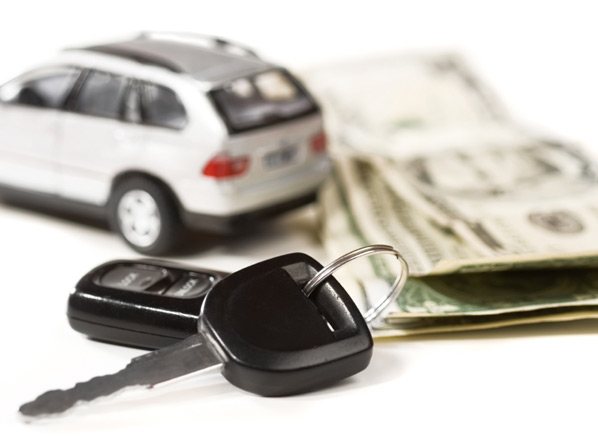
Which of the following is NOT a cost of owning a car?
License and Registration fees
Gasoline
Utilities
Insurance
About how much of your income should go towards transportation?
5-10%
15-20%
25-30%
35-40%
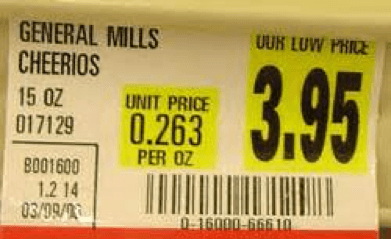
Which of the following is TRUE about unit pricing?
Unit prices can help you compare the prices of similar items
Unit price labels are universal throughout the country
It's easy to compare quantities on a unit price label
All states require unit price labels
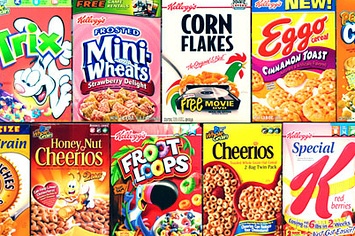
A 18oz box of cereal costs $4.99. How would you calculate the unit price?
18oz / $4.99
9 oz / $2.50
$4.99 / 18oz
(18oz) x ($4.99)

6 cans of tomato soup cost $14.99. What is the unit price?
About $1.50
About $2.50
About $3
About $3.50
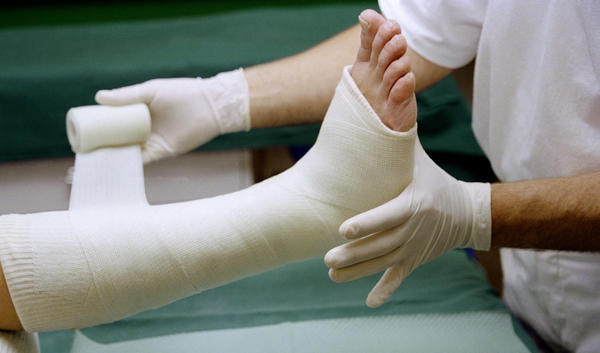
Jabar broke his leg while riding his bike. How does having health insurance help him?
Jabar will likely have to pay $0 towards his medical costs
Jabar will likely have to cover 100% of his medical costs
Jabar will likely owe a portion of his medical costs
Having health insurance makes no difference
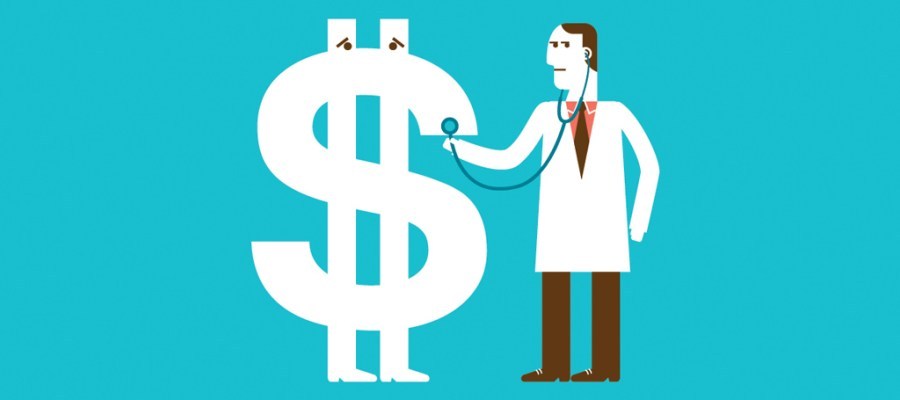
What is a deductible?
The cost you and your insurance share
The amount your insurance pays before you pay
The discount you get on your health insurance every year
The amount you pay before your insurance begins to pay
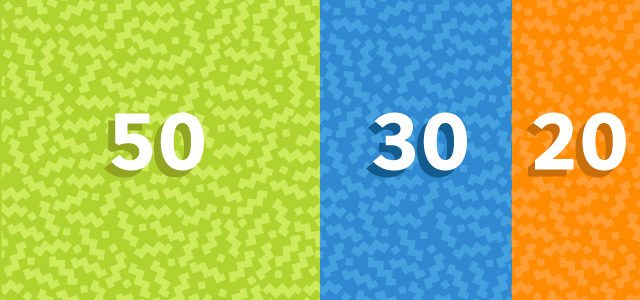
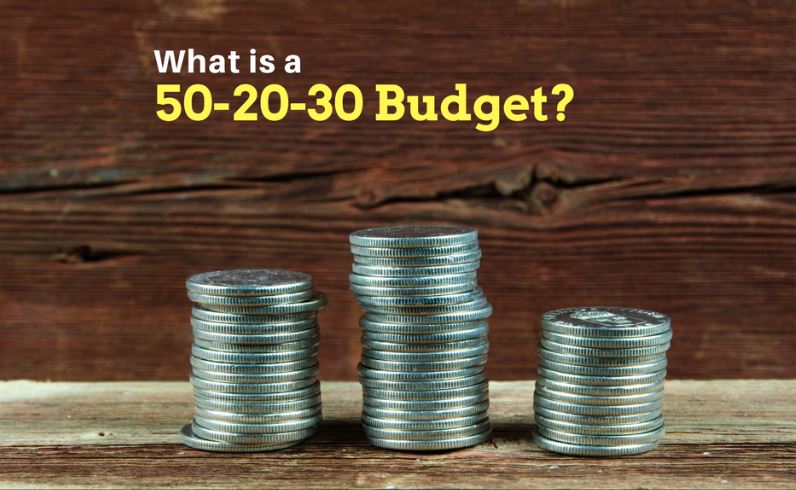
How does the 50/30/20 rule of thumb for budgeting allocate your income?
50% Needs, 30% Wants, 20% Savings & Debt Repayment
50% Wants, 30% Needs, 20% Savings & Debt Repayment
50% Savings & Debt Repayment, 30% Wants, 20% Needs
50% Needs, 30% Savings & Debt Repayment, 20% Wants
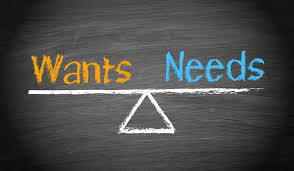
Which of the following is an example of buying something you NEED?
"I want to replace something that is no longer working."
"I want to impress someone/ change how they feel about me."
"I'm feeling down, and I need to boost my spirits."
"I don't want to miss out on these deals during the sale!"
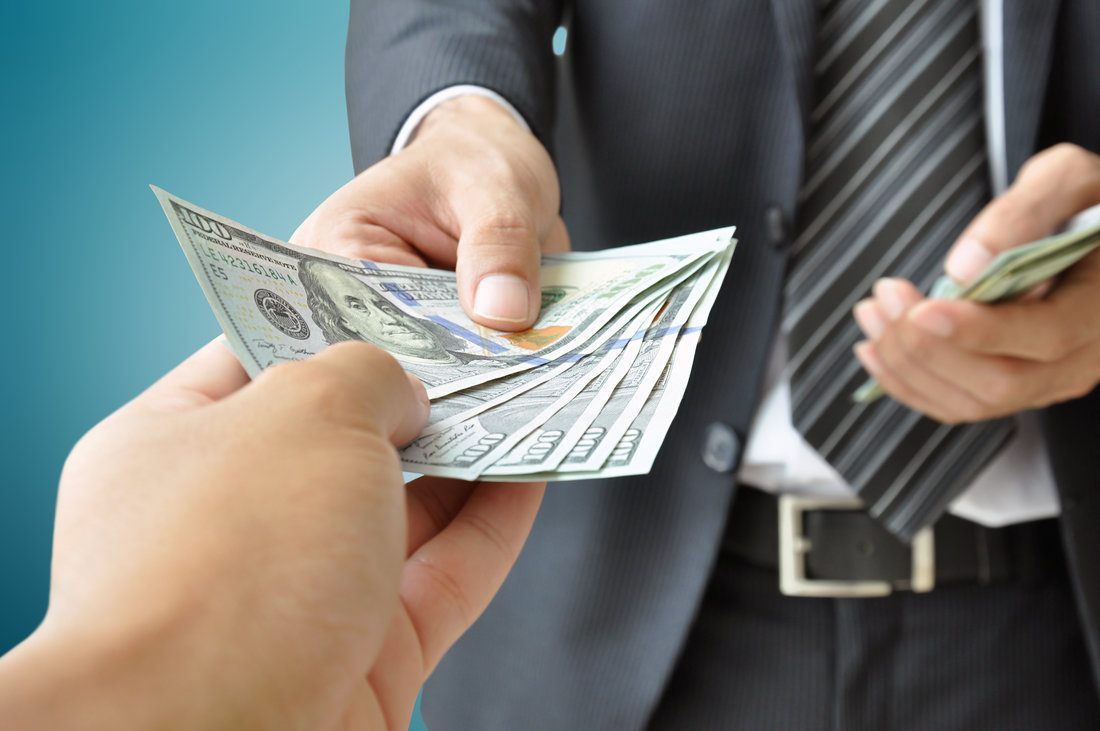
How do wages and salary differ?
Wages describe what you earn on an annual basis
Salary describes what you earn on an annual basis
Wages mean you have a standard amount in each paycheck
Salaried employees are likely to be paid for overtime
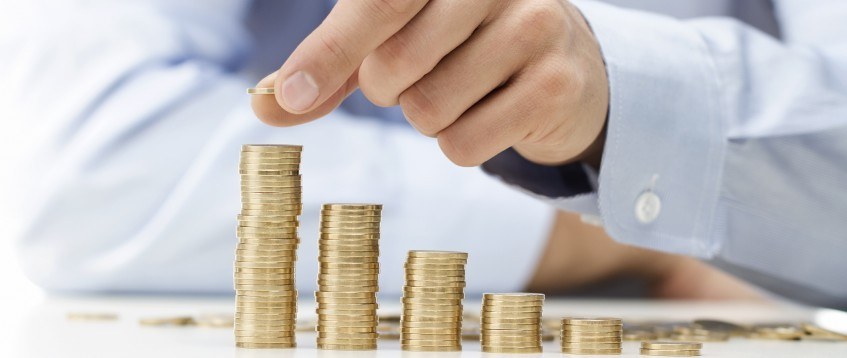
Which of the following are TRUE about gross income and net income? (hint: choose 2 correct answers)
Gross income and net income are the same
Net income is sometimes called "take home pay"
Gross income is the total amount earned before deductions
Net income is the total amount earned before deductions
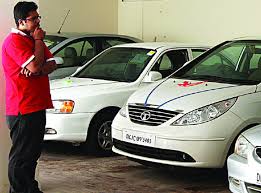
Which of the following is a step you can take to mitigate the risk of buying a used car? (hint: choose 2 correct answers)
Get a vehicle history report
Have a mechanic inspect the car after you buy it
Skip the test drive; you have time after you buy it to drive
But a certified, pre-owned car from the dealer
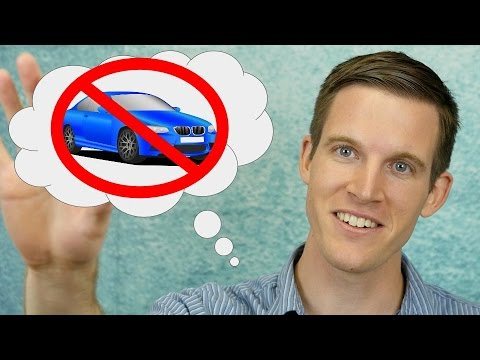
Which of the following reasons would explain why Justin has decided to forgo owning a car? (hint: choose 2 correct answers)
Public transportation infrastructure does not exist
The walking score in his city is high
He only has his driver's permit
There are numerous car dealerships in his area

Jenna wants to decrease the amount of $ she spends on food. Which of the following would help? (hint: choose 2 correct answers)
Decide what she will make for dinner that same day
Go to the grocery store with a list
Go to the store whenever she needs 1-2 items
Keep staple foods (e.g. beans, rice) readily stocked
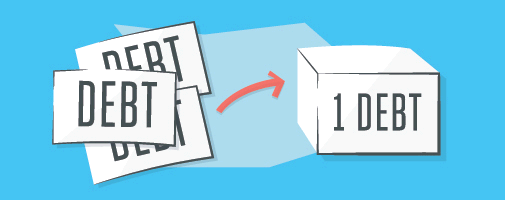
How can consolidating your student loans help your budget? (hint: choose 2 correct answers)
You'll pay more in interest over time
You can manage your money more easily since you're making just one payment
Your monthly payment may decrease
Your interest rate is guaranteed to decrease

