
 Worksheets
Matter Review 1701
Total questions: 21
Worksheet time: 8mins
Name
Class
Date
1.
Anything that has mass and volume is...
a)
molecules
b)
atoms
c)
matter
d)
elements
2.
Smallest particle of an element
a)
molecule
b)
atom
c)
mass
d)
compound
3.
The amount of matter something contains is its ______________.
a)
gas
b)
solid
c)
weight
d)
mass
4.
__________ are the building blocks of matter.
a)
solids
b)
gases
c)
atoms
d)
nutrients
5.
I am the smallest whole particle of matter.
a)
atom
b)
compound
c)
molecule
d)
mixture
6.
I am two or more atoms chemically bonded.
a)
atom
b)
compound
c)
molecule
d)
mixture
7.
Which 2 kinds of particles make up the nucleus of an atom?
a)
electrons and neutrons
b)
electrons and nuclei
c)
protons and neutrons
d)
protons and kryptons
8.
Which particle carries a negative charge?
a)
protons
b)
neutrons
c)
electrons
9.
A pure substance that cannot be broken down into any other substance by chemical or physical means. There are about 100 of us shown in the Periodic Table. (A specific type of atom.)
a)
compound
b)
mixture
c)
molecule
d)
element
10.
The amount of space something takes up (often measured with a graduated cylinder in milliliters or liters)
a)
Relative Density
b)
Matter
c)
Volume
d)
Mass
11.
Whether an object conducts or insulates thermal (heat) energy
a)
Conductivity of Thermal Energy
b)
Matter
c)
Conductivity of Electrical Energy
d)
Properties of Matter
12.
Whether or not a substance dissolves in water
a)
Solubility in Water
b)
Mass
c)
Magnetism
d)
Conductivity of Thermal Energy
13.
Mass, Volume, Magnetism, Relative Density, Conductivity of Thermal Energy, Conductivity of Electrical Energy, and Solubility in Water
a)
Properties of Matter
b)
States of Matter
c)
Mr. Bird's siblings
d)
Mass
14.

Matter is anything that has ________ and volume.
a)
mass
b)
volume
15.

How many different elements are there?
a)
10
b)
50
c)
100
d)
118
16.

The nucleus of an atom is made of ________ and ________ .
a)
protons + neutrons
b)
electrons + protons
17.

Electrons have a ________ charge.
a)
positive +
b)
negative -
c)
no
18.

What does the 1.00794 stand for?
a)
Hydrogen
b)
atomic number
c)
atomic mass
d)
atomic explosion
19.

How many protons are in Beryllium?
a)
4
b)
9
c)
5
d)
2
20.
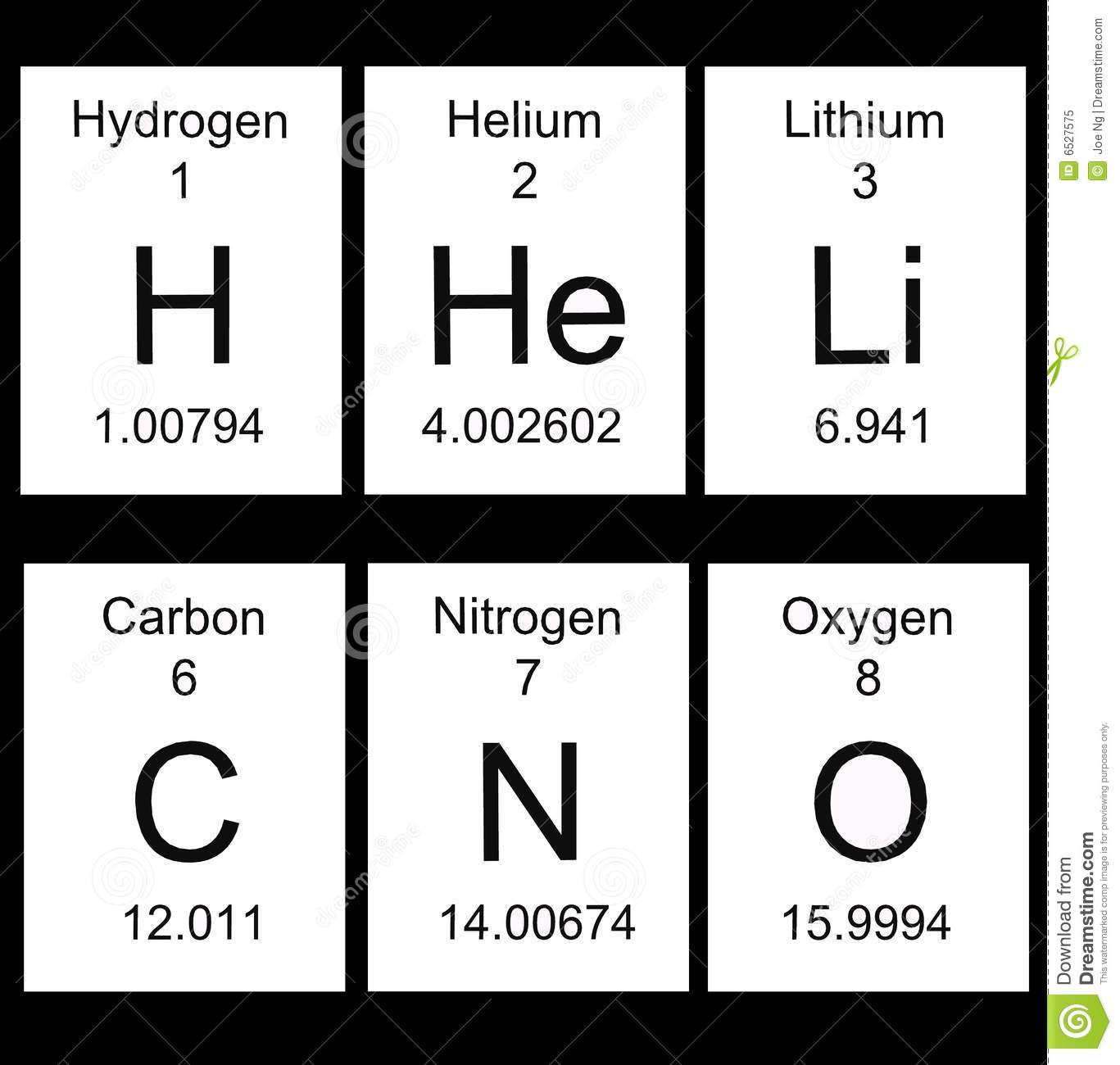
What is the chemical symbol for Lithium?
a)
H
b)
He
c)
Li
d)
N
21.
Each element is, usually, given one or two letters known as a chemical symbol.
a)
True
b)
False
100 %

