
 Worksheets
Terrestrial Biome Review
Total questions: 50
Worksheet time: 57mins
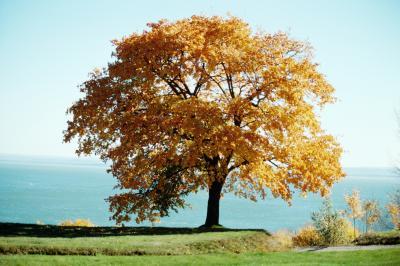
The Chaparral Biome can sometime be referred to as _________
The West Coast
Mediterranean Climate
Savanna
That one place over there
The Chaparral that is located in the United States is located __________.
Southwest Arizona
Northern California
Southern California
West Texas.
The plants in the Chaparral have adapted by conserving _____ through small, waxy leaves and being able to live with as little _____ as possible.
carbon dioxide
water
food
nutrients
The desert receives about as much rainfall as the
tundra
tropical forest
grassland
taiga
A new species is discovered in a moderately warm climate. Its diet is primarily small vegetarian. Large carnivorous birds are its main predators. The creature has sharp claws to dig tunnels to escape from carnivores. In which biome will this new species thrive?
savanna
desert
rainforest
taiga
Scientists have discovered a new species of fox that has larger than average ears and is nocturnal. In which biome would this new species of fox most likely be found?
desert
tundra
deciduous forest
tropical rain forest
Cactus plants are commonly found in the desert. Many kinds of cactus plants carry out a special type of photosynthesis called CAM photosynthesis. CAM photosynthesis allows the cactus to keep its stomata closed during the day. Most other species of plants keep their stomata open during the day.
What is the primary reason these cactus plants have thrived in the desert using this special type of photosynthesis?
The closed stomata stores more sugar molecules.
The closed stomata allows conservation of water.
The closed stomata scares off predators.
The closed stomata builds up oxygen levels.
Which of the following is true of the taiga but NOT the tundra?
The tundra has many species of reptiles.
Elk and caribou often migrate to the tundra at different times of the year.
It is often called the coniferous forest because of the conical trees there.
The subsoil is referred to as permafrost because it is frozen solid all year.
Grasslands are characterized by low amounts of rainfall, few trees, and lots of grass. Which of the following would be the primary inhabitants of the grasslands?
Tree-dwelling primates
Thick-furred mammals
Large herbivores
Water-conserving plants
The temperate forest is a type of terrestrial biome.
Which of the following are characteristic of a temperate forest?
Elk and caribou migrating during the early summer to graze on lichen and grasses.
Warm weather, plentiful rain, and diverse plant and animal life
Cold winters, short summers, and frozen subsoil, even in the summer
Warm summers, cold winters, squirrels, and deciduous trees
Many types of animals like the bear store up fat during the warm summer months and then hibernate during the cold winter months. Hibernation is a common adaptation of animals in which biome?
savanna
temperate deciduous forest
tropical rain forest
desert
Due to fairly constant rain and high temperatures, the vegetation in the rainforest is very dense.
Which of the following is an adaptation that helps plants win the battle for sunlight on the forest floor?
Vines that climb trees
Grasses that grow in clumps
Leaves that are needle-like
Trees that are cone-shaped
A tree called the Creosote has a taste and smell that animals find unpleasant. It has leaves that close in the day to keep in water and open at night to absorb moisture. Its leaves also grow close to the stem to reduce water evaporation. This plant also has dual root systems that tap deep into the underground water and radial roots that collect surface water. Which of the following statements is true based on the paragraph above?
The Creosote tree is well adapted for the desert biome and its lack of rainfall.
Due to the type of leaves found on the Creosote tree, this tree most likely thrives in the savanna.
The dual root systems of the Creosote tree would help it to survive in the tundra.
The Creosote tree is most likely found in the rainforest because it has adapted to conserve water.
Which of the following organisms has an adaptation that will allow it to survive in the tundra?
Mammals with thin fur that allows them to get rid of heat efficiently.
Plants that have broad leaves to capture sunlight and long roots to capture water.
Reptiles with long tongues with sticky pads for catching flying insects.
Grasses with shallow roots and the ability to grow quickly when moisture is rarely present.
Which of the following best describes an effective adaptation of plants commonly found in the Taiga?
Grasses that are drought tolerant
Vines that climb trees to reach sunlight
Trees with very shallow roots due to the permafrost
Trees with a conical shape allowing them to shed snow and ice
True or False: Coral reefs are being affected by the warmer temperatures.
True
False

The defining characteristic of deserts is _______.
low rainfall
high temperatures
lizards
cacti
Organisms that live in freshwater and marine biomes have developed unique adaptations that aid in their survival. Which of the following adaptations would be the most beneficial to wading birds?
dense feathers
webbed feet
long, light legs
waterproof feathers
The pattern of vegetation changes due to the:
primary and secondary succession
invasion of exotic species
increase in total hours of sunlight
mean temperature and mean precipitation
Which of the following best illustrate an abiotic factor affecting a biotic component?
Composting manure is added to agriculture
Phosphorous content in soil affecting plant growth
Plants release oxygen into the atmosphere.
Plants preventing soil erosion
Which of the following is true of the carbon cycle?
Carbon sinks includes forests and oceans
Carbon dioxide is released during photosynthesis
Carbon dioxide in the air is reduced by cutting trees
Carbon is concentrated in an igneous rock
Which trophic level has the greatest Primary Productivity? (Energy)
Producers
Primary Consumers
Carnivores
Omnivores


The biome shown in the climatogram above would best be described as a:
temperate deciduous forest
desert
tundra
tropical rain forest


What does biodiversity mean?
Only one species in an area.
The different amount of species in an area
All abiotic life
Nitrogen fixation

Which producer was not featured in the tundra food web.
Grasses
Lichens
Arctic Moss
Spruce
The Tundra covers about __________ of the earth's surface
10%
25%
30%
20%


The kind of wetland formed where saltwater and fresh water meet is called
brujeria
estuary
swamp
marsh
The heating of the Earth's surface and atmosphere from solar radiation being absorbed and emitted by the atmosphere, mainly by water vapor and carbon dioxide
warm front
tropical zone
greenhouse effect
global warming
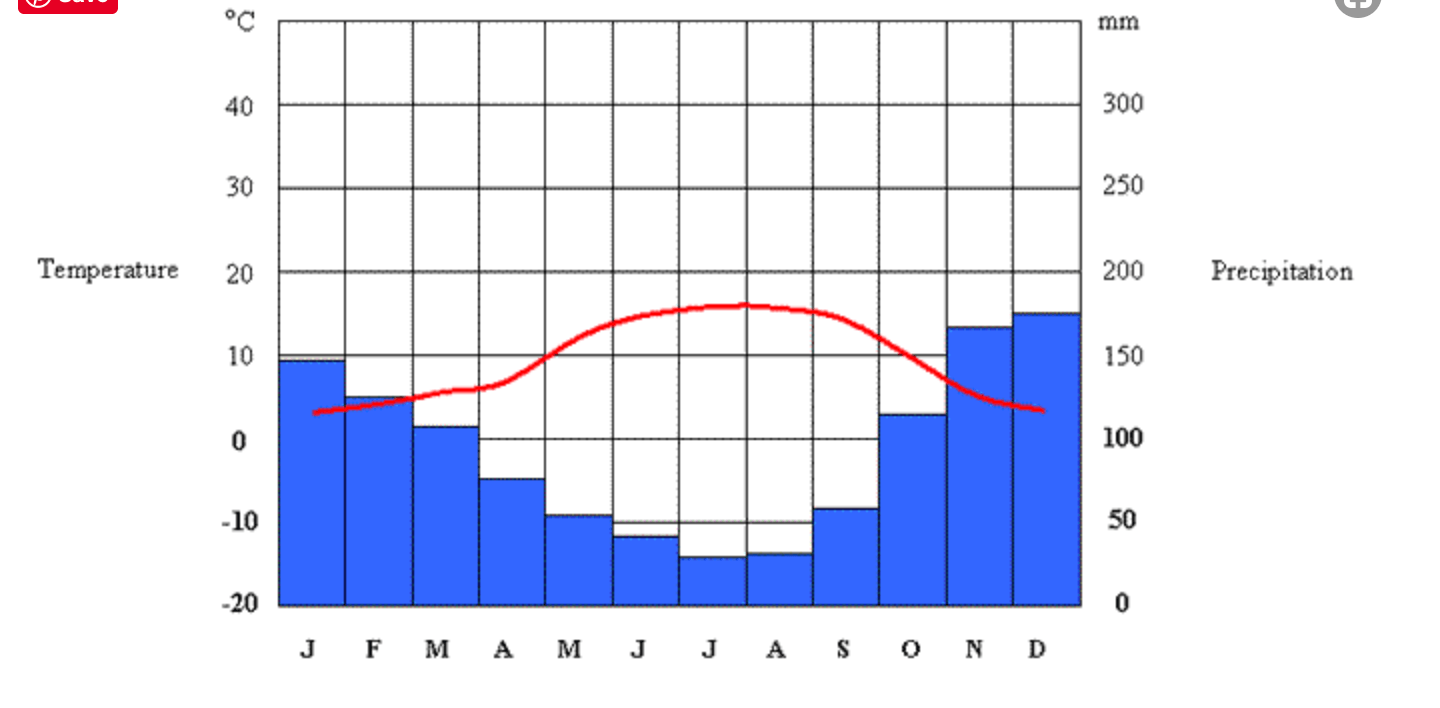
This graph is from a place:
in the Northern Hemisphere
in the Southern Hemisphere
At the equator
Which statement below is true?
Climate is the day to day experience of sun, wind, and rain.
Weather is what an area experiences over a long period of time.
Weather is which season you are currently in.
Climate consists of weather patterns over a longer period of time.

