Wayground logo

Free Printable Worksheets

Font size

S
M
L
XL
Worksheets

Week 1 Review

Total questions: 20

Worksheet time: 16mins

Name
Class
Date
1.
The nonliving aspects of an ecosystem.
a)
Abiotic factors
b)
Biotic factors
2.
The living portions of the ecosystem.
a)
Biotic factors
b)
Abiotic factors
3.
A collection of organisms that belong to different populations but all live in the same area and interact with one another.
a)
Population
b)
Ecosystem
c)
Community
d)
Ecosphere
4.
A collection of organisms that make up a community as well as all of the nonliving aspects of the environment.
a)
Population
b)
Community
c)
Habitat
d)
Ecosystem
5.
What are the Abiotic factors in this image? 
a)
water, sunlight, dirt, air
b)
birds and plants
c)
birds, water, dirt
d)
plants, water
6.
The area between the highest mountain and the deepest ocean where life can be found
a)
Biosphere
b)
Biome
c)
Farm
d)
Ecosystem
7.
Different populations living and interacting with each other in the same area
a)
Biome
b)
Ecosystem
c)
Community
d)
Niche
8.
Two or more members of a particular species living and interacting in the same area
a)
Community
b)
Population
c)
Organisms
d)
Biosphere
9.
The study of how living things interact with one another and with their environment.
a)
Biology
b)
Lithology
c)
Ecology
d)
Farmacology
10.
Cattle egrets forage (feed) in fields among cattle. The egret gets easy access to flying insects stirred up by the cattle, and the cattle don't care if they are there or not.
a)
mutualism
b)
commensalism
c)
competition
d)
parasitism
11.
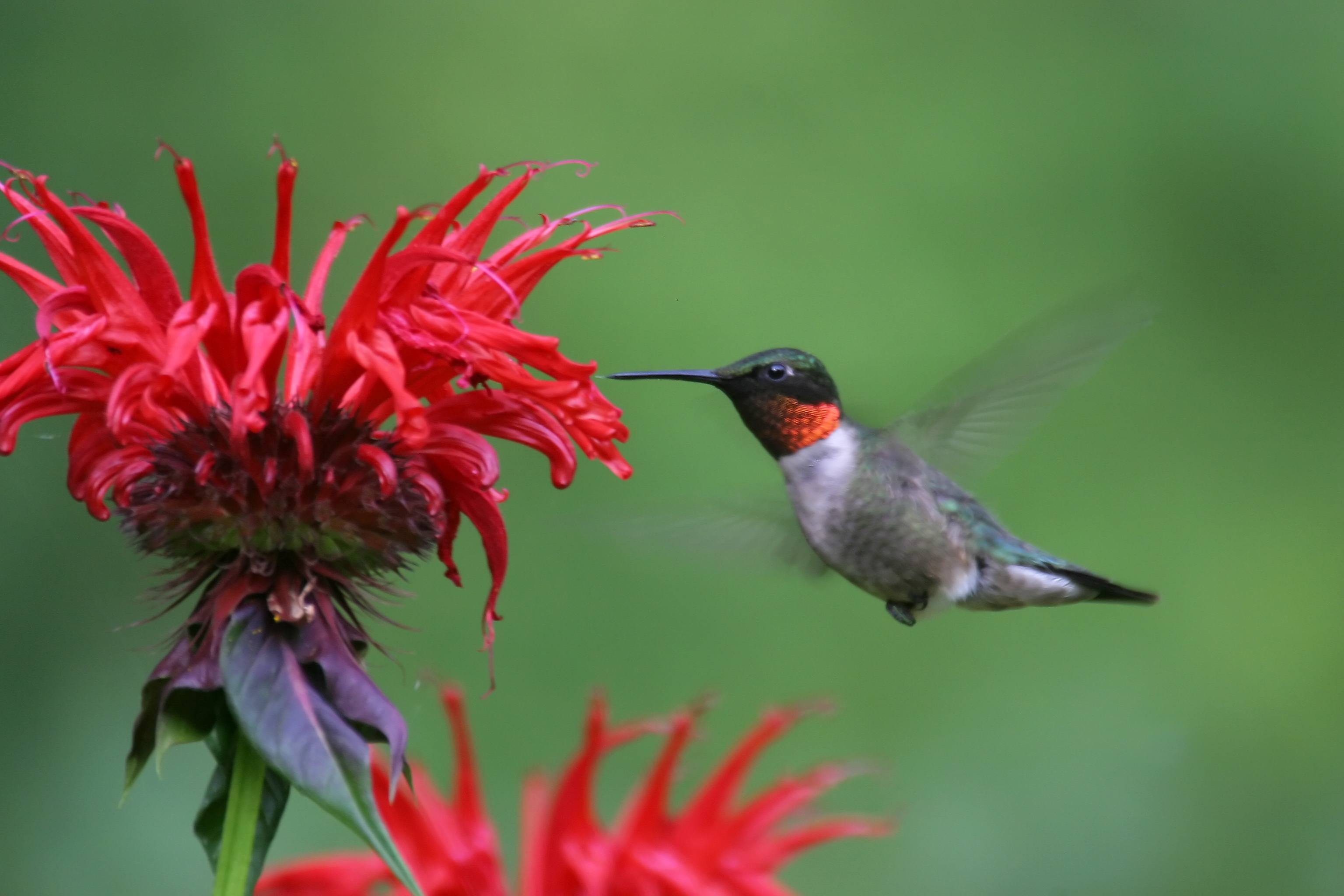
What type of symbiosis?  Hummingbirds feed on nectar from flowers.  The flowers are pollinated by hummingbirds as they move from flower to flower.
a)
commensalism
b)
mutualism
c)
parasitism
d)
predation
12.
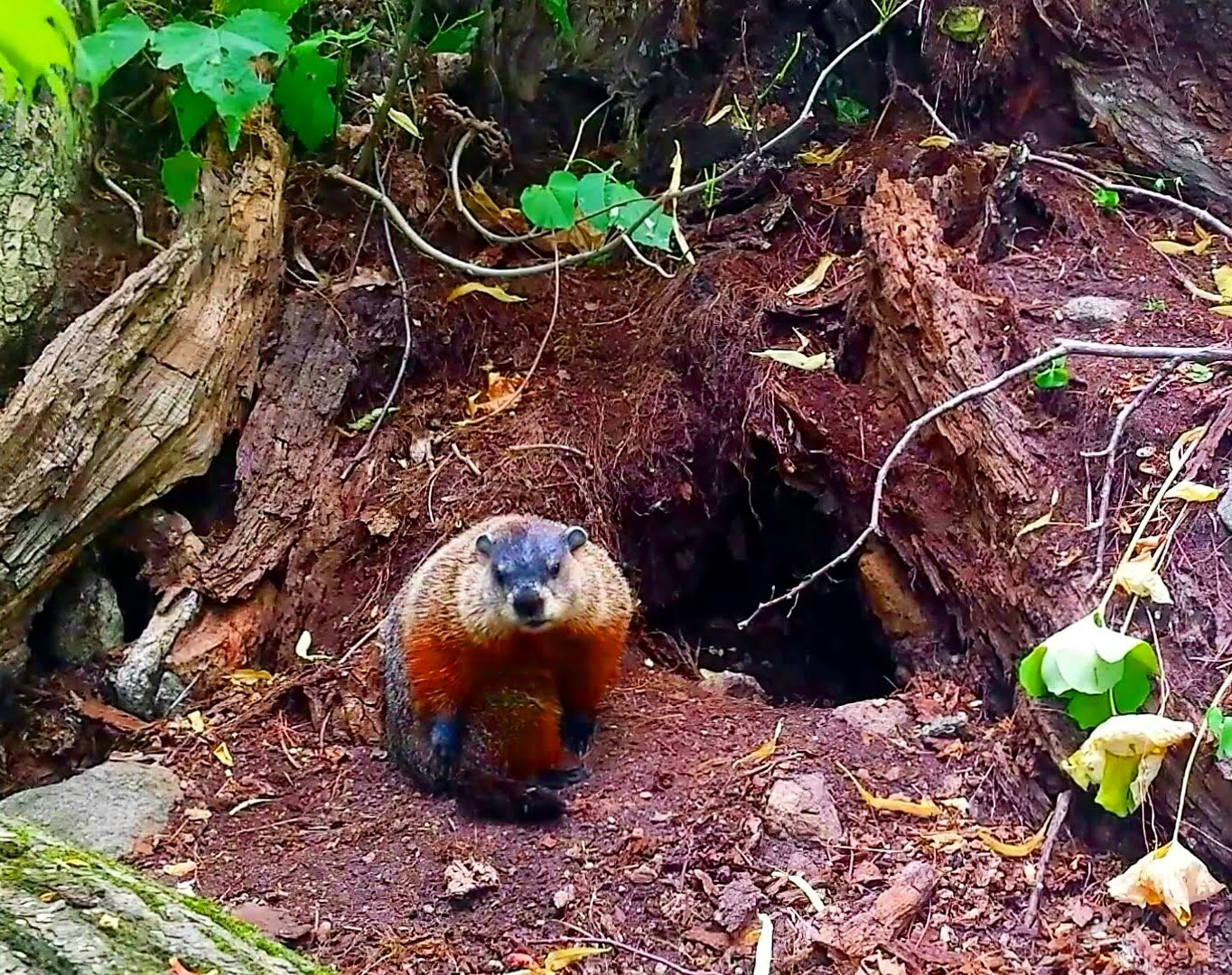
What type of symbiosis?  Skunks often live in burrows that have been dug and abandoned by woodchucks.  
a)
commensalism
b)
mutualism
c)
parasitism
d)
predation
13.

Aphids are tiny insects that live on and eat the leaves of plants, removing vital nutrients from the plants.

a)

Predation

b)

Parasitism

c)

Commensalism

d)

Mutualism

14.
What type of symbiosis is this?
*
Hermit crabs find shells left by snails that have died and move in.
*
  Snails die and leave behind their shells.
a)
commensalism
b)
mutualism
c)
parasitism
d)
predation
15.

A relationship in which two species live closely together.

a)

resource

b)

mutualism

c)

succession

d)

symbiosis

16.

How is commensalism different from mutualism?

a)

In commensalism, one species benefits while the other is unharmed; in mutualism, both species benefit

b)

In commensalism, one species is harmed while the other benefits; in mutualism, both species benefit

c)

In commensalism, neither species is harmed; in mutualism, one species is harmed

d)

In commensalism, both species benefit; in mutualism, one species is harmed

17.

When a honeybee pollinates flowers, the bee gets access to nectar, while the flowers gain the chance to reproduce. This is an example of:

a)

Amensalism

b)

Commensalism

c)

Parasitism

d)

Mutualism

18.
Yucca flowers are pollinated by yucca moths. The moths lay their eggs in the flowers where the larvae hatch and eat some of the developing seeds. Both species benefit. 
a)
parasitism
b)
commensalism
c)
mutualism
19.

Hermit Crabs live in shells made and then abandoned by snails.

a)

Commensalism

b)

Parasitism

c)

Competition

20.
In a parasitic relationship, one organism is ___________ and one organism is benefiting. 
a)
helped
b)
harmed
c)
not effected
d)
happy