
 Worksheets
Natural Resources
Total questions: 45
Worksheet time: 34mins
What are nonrenewable resources?
energy sources that are replaced faster than they are used
energy sources that can never be replaced or are replaced more slowly than they are used
a natural product that can be changed into other forms of energy to do work
What are fossil fuels?
energy producers that comes from radioactive elements
a natural product that can be changed into other energy forms to do work
energy resources that formed from buried plants and animals that lived a very long time ago
resources that are replaced faster than they are used
All of the following are fossil fuels EXCEPT
oil
water
coal
natural gas
What changes chemical energy from fossil fuels into electrical energy?
electric generators
nuclear fission
power plants
windmills
Where does nuclear energy come from?
Electric generators
radioactive elements
fossil fuels
geothermal energy
Nuclear fission is a process where the nucleus of an atom splits into two smaller nuclei.
True
False
Splitting atoms creates nuclear energy and what other type of energy?
electrical
thermal
sound
light
What is a renewable energy resource?
an energy source that is replaced more slowly than they are used
an energy source that can never be replaced
an energy source that is replaced faster than they are used
a fossil fuel
What is a device that changes solar energy into electrical energy?
wind turbine
perpetual motion machine
electric generator
solar cell
Geothermal energy is made from water being pumped underground near hot rock, turning it to steam.
True
False

Renewable energy resources produce less_____________ than fossil fuels.
pollution
energy
wind
light
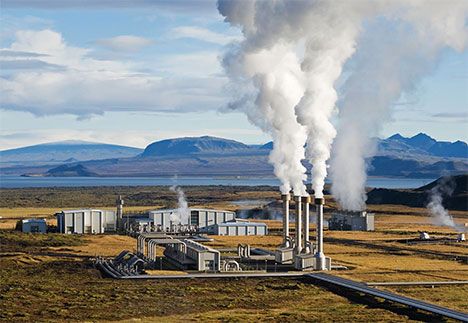
Which type of energy produces carbon dioxide, which is a greenhouse gas that causes warming of the troposphere?
Solar Energy
Wind Energy
Fossil Fuels (Coal, oil, and gas)
Nuclear Energy
Which of the following energy sources causes the least amount of negative environmental impacts?
Biomass
Nuclear
Natural Gas
Solar
Minerals that are soluble in water are extracted from the ground and pumped to large man-made ponds for extraction; works in hot, dry climates
Solar evaporation ponds
Open-pit mines used for sand, gravel, and other building stones
Quarry
Successive horizontal layers of rock and resources are removed; works for sedimentary resources like coal
Strip Mine
Used if rock surrounding an ore body is extremely hard and therefore difficult to remove for access to the ore.
Block Caving
Used for flat sedimentary ore bodies with a weak or fractured sedimentary layer above.
Room and Pillar
Match each use with the correct fuel type
Used for transportation
Oil
Used for electricity generation
Coal
Used for electricity, heat, and increasingly for transportation
Natural Gas
__________ refers to all of the natural resources and ecosystem services that keep humans and other species alive and that support human economies.
Energy Resources
Natural Capital
Regulating Services
My Amazon Shopping Cart
Humans are dependent on natural systems because they provide services that support us for free. Which of the following is an example of a regulating ecosystem service?
Carbon sequestration
Mineral resources
Scenic views
Natural habitat
Which of the following is the most sustainable method for obtaining useful materials that meet the needs and wants of society?
Creating an easy system for people to put unwanted materials into landfills
Mining new materials from Earth’s crust
Recovering useful materials from waste through recycling
Removing trees from pristine forests and using the area to build a plastic factory to produce one-time-use goods
Which of the following metallic resources does the United States produce the most of?
Diamond
Nickel
Gold
Oil
The U.S. produces ______ of the mineral resources that it uses and _______ from other countries.
only some; imports the rest
all;
imports none
none;
imports all
REEs are:
Elements found in low concentrations in Earth’s crust and used in electronics.
Gemstones used for jewelry-making that are known for their rarity and beauty
Minerals only found deep within volcanoes
Rare hydrocarbons that are used to produce plastics.
Which country produces most of the world’s REEs?
China
The United States
Russia
Japan
Which of the following explains why some energy sources are renewable?
Renewable energy sources exist in a fixed amount and cannot be easily replaced.
Renewable energy sources can be replenished naturally, at or near the rate of consumption.
Renewable energy sources include natural gas and other fossil fuels because they are made from the remains of ancient organisms.
Renewable energy sources use advanced technologies and have been discovered in recent years, making them newer energy sources.
Hydraulic fracturing, or fracking, is the pumping of highly pressurized water with a mixture of sand and chemicals into boreholes to
create cracks within the rock in order to provide pathways for the release of gas and oil
pulverize the rock in order to let gas and oil rise through the soil horizons
reopen old mine shafts, from which gas and oil can be collected
supersaturate the rock with the fracking fluid, which scrubs gas and oil from the rock by abrasion
Any fuel derived from ancient organic remains and formed by geological processes is called a(n):
Fossil fuel
Natural gas
Renewable resource
Biomass fuel
Which of the following offers new reserves for petroleum?
Decomposition of landfill waste
Tar sands and oil shale
Marcellus Shale
The Great Salt Lake after it dries up
Which of the following actions would reduce global greenhouse emissions?
Increasing the use of gasoline-powered automobiles
Decreasing the number of nuclear power plants
Replacing coal-burning power plants with wind farms
Switching from hydroelectric power generation to power generation using natural gas as the primary fuel
After the Clean Air Act amendments in 1990 aimed at reducing acid rain caused by sulfur dioxide pollution, coal production in which region increased because the coal here contains a particularly low sulfur content?
Appalachian Mountains in West Virginia and Kentucky
Powder River Basin in Wyoming and Montana
The Oil Region of Northwestern Pennsylvania
The Florida Everglades
Buildings designed to partially heat rooms by passive solar heating rely on
materials that absorb and store solar energy to warm the room
solar cells to generate electricity to power a heater in the room
mechanical pumps to move hot water through a radiator system
warm water pumped from underground to warm the room
Which of the following would be most likely to be used as a fuel source for electricity generation in a nuclear power plant?
Uranium-235
Cesium-137
Iodine-123
Bresnahan-124
Some solar energy systems produce high-temperature water for industrial applications and produce steam to run turbines that generate electricity. What type of solar energy system is needed for these kinds of applications?
A passive solar system that uses building design to block summer sunlight
A solar collector system using mirrors or lenses to concentrate sunlight
A passive solar system that uses building design to collect winter sunlight
A flat-panel photovoltaic cell
A drawback of hydroelectric dams is that they:
are extremely expensive to operate
can never be more efficient than burning coal
interfere with the upstream migration of organisms like salmon
require large amounts of water to be pumped from long-distances

