
 Worksheets
Cardiovascular System (Heart)
Total questions: 40
Worksheet time: 20mins
Where is the heart located?
In your leg
slightly left to the center of the chest
slightly right to the center of the chest
on the left side of your body
Which of the following is associated with oxygenated blood?
Aorta
Pulmonary Artery
Septum
Right Ventricle
Which of the following is associated with deoxygenated blood?
Aorta
Left Ventricle
Tricuspid valve
Septum
What part of the heart divides the heart into two?
Biscuspid valve
Septum
Pulmonary artery
bicep
The relaxing of the heart is known as
Diastole
Systole
Heart Rate
Cardiac Arrest
The contraction of the heart is known as?
Stroke volume
Diastole
Cardiac cycle
Systole
Which of the following is a Blood vessel?
Ventricles
Heart
Arteries
Septum
What is the role of veins in the cardiovascular system?
Carry blood away from the heart
Carry blood back to the heart
Carry blood to the lungs
Allows the exchanges of gases, nutrients and wastes between blood and the tissues


___ takes place when blood travels from the heart, through the lungs, and back to the heart.
pulmonary circulation
systemic circulation
___ takes place when oxygen-rich blood travels to all body tissues except the lungs.
pulmonary circulation
systemic circulation

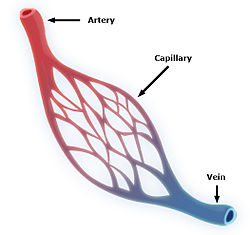
The bottom chambers of the heart are called
ventricles
atria
vena cava
valves
The top chambers of the heart are called
ventricles
atria
vena cava
valves
Systolic pressure measures pressure in the arteries during which of the following?
What prevents blood from flowing back into the atria when the ventricles contract?
semilunar valves
sinoatrial node
atrioventricular node
tricuspid and bicuspid valves
One of the body's largest blood vessels that transports blood from the lower body region below the diaphragm to the heart
superior vena cava
inferior vena cava
pulmonary trunk
pulmonary veins
When this chamber contracts, it pushes blood through the tricuspid valve
right atria
right ventricle
left atria
left ventricle
This initiates the action potential (electrical impulse) that causes the heart to beat
Inferior vena cava
Atrioventricular node (AV node)
Superior vena cava
Sinoatrial node (SA node)

The p-wave correlates with which event?
atrial depolarization
ventricle depolarization
ventricle repolarization
atrial repolarization
Intrinsic electrical impulses start at which of the following locations?
AV Node
Bundle of His
Purkinje fibers
SA Node
Which of the following is most likely to occur if there is a blockage to the AV bundle nerve impulse?
the AV Node will not produce electrical impulses
the SA Node will not produce electrical impulses
no effect
the Purkinje fibers will not produce electrical impulses
A heart rate 100 bpm or above is called _______.
bradycardia
tachycardia
arrhythmia
fibrillation
The heart layer that keeps blood from sticking to the inside of the heart and forming potentially deadly blood clots is called
endocardium
pericardium
myocardium
epicardium

distribute signal along right and left ventricle
SA node
AV node
bundle of his
purkinje fibres

