
 Worksheets
Skeletal System Review
Total questions: 86
Worksheet time: 46mins
The top portion of the sternum is called the...
body
xiphoid process
manibrium
mandible
How many cervical vertebrae are there?
3
7
12
5
Ribs 11 and 12 are called the...
true ribs
false ribs
floating ribs
fake ribs
The "soft spots" on an infant's skull are called:
fontanels
osteoclasts
foramens
haversian canals
A bone, like the femur or humerus, is classified as a(n):
ossified bone
intramembranous bone
compact bone
long bone
Articular cartilage is found:
at the ends of bones
between sutures
surrounding long bones
at the growth plate
What is the cranium?
spine
skull
thigh
arm
The axial skeleton is
the head and trunk
the limbs
the whole skeleton
just the head
Hematopoeisis is
bone formation
bone break down
blood cell production
tissue production
What is yellow marrow is made mostly of?
fat
blood cells
adipose tissues
bone cells
Epiphyseal plate is also known as the
epiphyseal line
growth plate
kid bone plate
When a bone is broken and a fragment of bone protrudes through an open wound in the skin it is __________.
Open Fracture
Closed Fracture
Simple Fracture
Compound Fracture
The bone cells that maintain bone tissue are
osteocytes
osteon
osteoclasts
osteoblasts


What is compact bone?
the soft tissue in the bone that makes blood cells
the soft tissue in the bone that stores energy as fat
the hard dense layer of bone
the layer of bone that makes the bones lightweight
What is spongy bone?
the soft tissue in the bone that makes blood cells
the soft tissue in the bone that stores energy as fat
the hard dense layer of bone
the layer of bone that makes the bones lightweight
If you weighed 100 pounds how much of that would be from your skeleton?
20 pounds or 20%
30 pounds or 30%
50 pounds or 50%
5 pounds or 5%
The bones are hard because they are made of which of the following substances?
vitamins
minerals
concrete
sand
Bones are living organs!
True
False
Which of the following is not a type of joint found in the body?
Pivot Joint
Gliding Joint
Ball & Socket Joint
Hinge Joint
Tennis Elbow
Which joint is found in the skull?
Pivot Joints
Gliding Joints
Immovable Joints
Hinge Joints
What type of fracture does not break through the skin?
Compound Fracture
Simple Fracture
Complete Fracture
Incomplete Fracture
What type of fracture breaks part of the bone and then the other side is bent?
Compound Fracture
Greenstick Fracture
Complete Fracture
Comminuted Fracture
What type of fracture breaks the bone into many parts?
Compound Fracture
Greenstick Fracture
Complete Fracture
Comminuted Fracture
What condition in the bones makes the bones weak and is most commonly found in older people.
Osteoporosis
Osteogenesis Imperfecta (OI)
Scoliosis
Craniosynostosis
What is an abnormal left or right curvature of the spine?
Osteoporosis
Osteogenesis Imperfecta (OI)
Scoliosis
Craniosynostosis

a ____________________ joint.
_________________________.
_______________________.


_____________ form new bone and _____________ break down bone tissue.
osteocytes, osteoblasts
osteoblasts, osteocytes
osteoclasts, osteoblasts
osteoblasts, osteoclasts
A fracture where the bone breaks into many pieces is called:
spiral
greenstick
comminuted
impacted
Freely movable articulations, such as those of the knee or elbow are called:
amphiarthrotic
synarthrotic
diarthrotic
sphenotic

From the diagram, what is number 7?
(a)

From the diagram, what is number 17?
(a)
This chronic inflammatory disorder is caused by an autoimmune disease. It affects joints of fingers, wrists, ankles, and feet.
osteosarcoma
ricketts
rheumatoid arthritis
osteoporosis
Which of the following is an example of a sesamoid bone?
phalanges
humerus
patella
vertebrae
The tough layer of connective tissue surrounding the bone and allowing for attachment to tendons and ligaments is called
diaphysis
epiphyses
epiphyseal plate
periosteum
Turning your head from side to side uses what type of joint?
saddle
ball & socket
hinge
pivot
gliding
A bone that is more wide than it is long and is generally cube shaped is considered a(n):
flat bone
irregular bone
long bone
short bone

Which part of the skull is highlighted?
Maxilla
Frontal
Mandible
Sphenoid

Which part of the skull is highlighted?
Mandible
Parietal
Temporal
Sphenoid

Which part of the skull is highlighted?
Zygomatic
Temporal
Parietal
Lacrimal


Which part of the skull is highlighted?
Zygomatic
Temporal
Parietal
Lacrimal
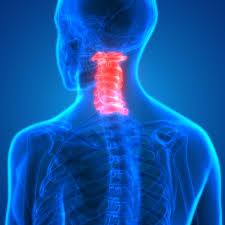
Which section of the vertebrae is highlighted?
thoracic
cervical
lumbar
sacral
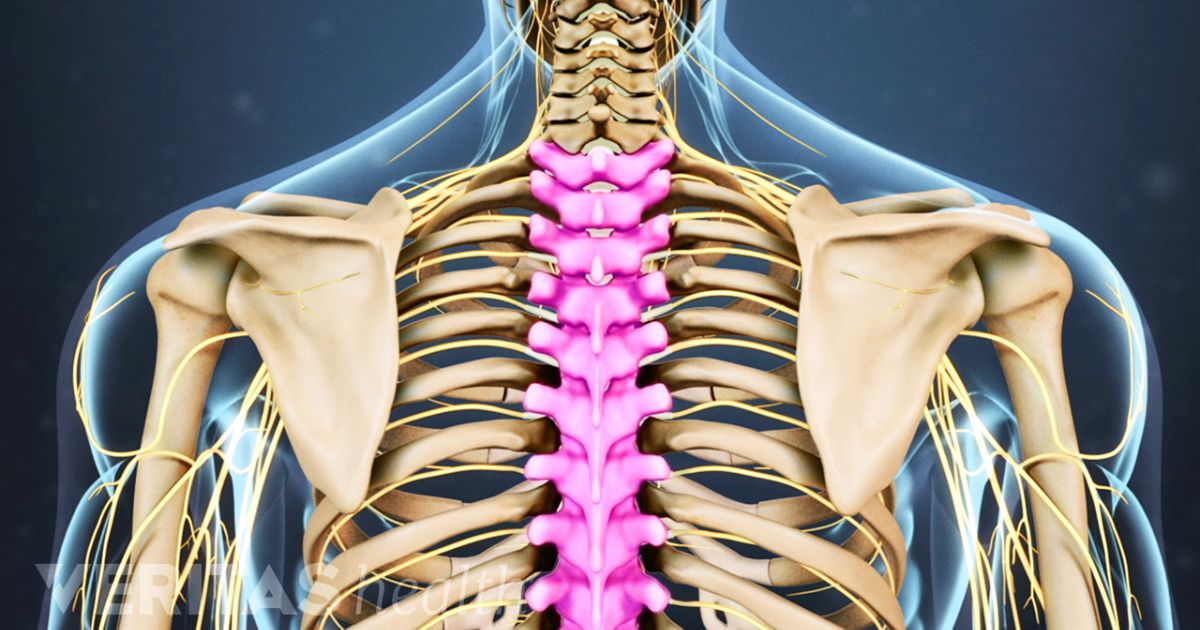
Which section of the vertebrae is highlighted?
cervical
lumbar
thoracic
coccyx
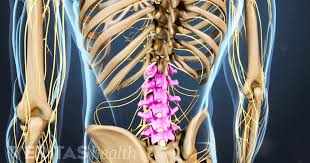
Which section of the vertebrae is highlighted?
cervical
lumbar
thoracic
sacral
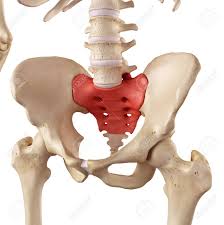
Which section of the vertebrae is highlighted?
lumbar
cervical
coccyx
sacrum
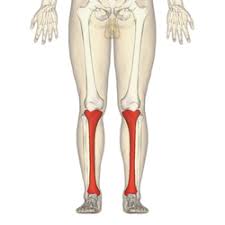
Which bone is highlighted
fibula
tibia
ulna
radius
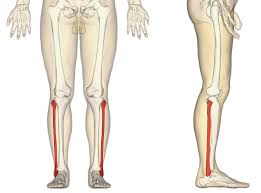
Which bone is highlighted
femur
radius
tibia
fibula
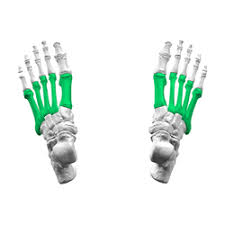
Which bones are highlighted
metatarsals
metacarpals
tarsals
carpals
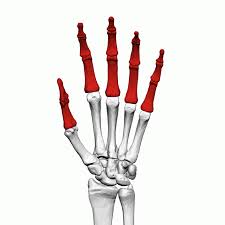
Which bones are highlighted
phalanges
carpals
metatarsals
metacarpals
Kyphosis is caused by which of the following...
gout
rheumatic arthritis
chronic respiratory disease
poor posture
Approximately 75% of the time, a first attack of gout affects the:
neck
long bones
wrist
big toe
What type of foods would a dietician recommend to someone who has osteoporosis?
red meat
dairy products
peanut butter
eggs
What is the term that means debridement?
removal of debris from a wound
surgical breaking of a bone
the turning in of a newborn's foot
curvature of the spine

