
 Worksheets
Ecology
Total questions: 27
Worksheet time: 25mins
Name
Class
Date
1.

What are the two parts of an ecosystem?
a)
water and sunlight
b)
all living and nonliving organisms
c)
producers and consumers
d)
soil and nutrients
2.

_______ is the study of relationships among living and nonliving parts of an environment.
a)
Ecosystem
b)
Niche
c)
Habitat
d)
Ecology
3.
What do consumers give off that producers need?
a)
oxygen
b)
carbon dioxide
c)
sugars
d)
heat
4.
What do plants produce when they carry out photosynthesis?
a)
sugar
b)
carbon dioxide
c)
water
d)
all of the above
5.

A food web
a)
shows how energy is released by an organism
b)
compares the amount of energy at each level
c)
shows how different food chains in a community are linked together
d)
is unique since each organism can only be part of one food web
6.

A food chain is a diagram of how
a)
communities are connected
b)
energy and nutrients pass among organisms in an ecosystem
c)
producers make food
d)
an ecosystem develops and changes
7.
Consumers cannot do which of the following
a)
give off carbon dioxide
b)
change sugars into energy
c)
give off oxygen
d)
carry out respiration
8.

What are plants called in a food chain?
a)
Producers
b)
Consumers
c)
Decomposers
d)
Scavengers
9.

Which of the following is a herbivore?
a)
cricket
b)
frog
c)
hawk
d)
shrew
10.
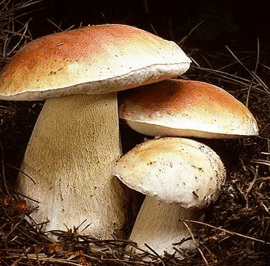
An organism that gets energy from breaking down dead organisms, non-living material or waste
a)
producer
b)
consumer
c)
decomposer
d)
autotroph
11.
A secondary consumer
a)
eats primary consumers
b)
eats producers
c)
eats plants
12.
Bacteria, fungi, and earthworms are examples of:
a)
scavengers
b)
predators
c)
prey
d)
decomposers
13.

In the food web shown, which is the tertiary consumer?
a)
large lizard
b)
snake
c)
scorpion
d)
desert fox
14.

In a food chain, the first link (where the energy begins) is always:
a)
a primary consumer
b)
a decomposer
c)
a producer
d)
an omnivore
15.
What are all biotic and abiotic things that interact in an area?
a)
Ecosystem
b)
Environment
c)
Plants
d)
Population
16.
All the living things in an environment
a)
Biotic factors
b)
Traits
c)
Animals
d)
Natural Selection
17.
All the nonliving things in an environment
a)
Ecosystem
b)
Dead Animals
c)
Genes
d)
Abiotic factors
18.
Temperature, light, air, water, and soil are all _____ parts of the environment
a)
alive
b)
biotic
c)
abiotic
d)
living
19.
What is an example of a biotic factor?
a)
skunk
b)
rocks
c)
soil
d)
water
20.

An animal that eats only plants.
a)
scavenger
b)
omnivore
c)
herbivore
d)
carnivore
21.

An animal that eats both plants and animals.
a)
carnivore
b)
omnivore
c)
herbivore
d)
scavenger
22.

An animal that eats only meat.
a)
herbivore
b)
omnivore
c)
carnivore
d)
scavenger
23.

All the green plants that provide the energy for consumers.
a)
consumers
b)
producers
c)
decomposers
d)
herbivores
24.
ALL energy flow for an ecosystem begins with ...
a)
plants
b)
the moon
c)
the sun
d)
algae
25.
Organisms that hunt other organisms for food are called __________.
a)
predators
b)
prey
c)
producers
d)
heterotrophs
26.

The snake is a predator to what prey in this food chain?
a)
frog
b)
grass
c)
grasshopper
d)
hawk
27.

An individual living thing is a(n)...
a)
organism
b)
ecosystem
c)
abiotic factor
d)
carrying capacity
100 %

