
NEW
Font size
 Worksheets
SCIENCE8-3RDUNIT-EXAM
Total questions: 55
Worksheet time: 37mins
What is the definition of CONVECTION?
When heat transfers through waves.
When heat transfers from objects that are touching.
a hot liquid or air that expands, becomes less dense, and rises or becomes more dense, and sinks.
Heat traveling from the sun
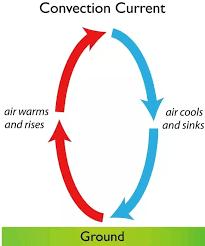
Which of the following is an example of convection?
A hair dryer is drying up your hair.
When the AC or heater changes the temperature.
When a car engine turns hot after being turned on.
When you are making soup and the water is rising and lowering.


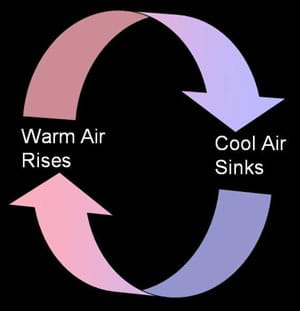
Near the ceiling of a room the air is warmer. The warm air rises because of _________?
conduction
convection
radiation

A huge rock at the state park gets so hot during the day because of _________?
conduction
convection
radiation

A chair is placed several feet from a fireplace. The fireplace has a glass screen. The side of the chair facing the fireplace gets warm because of _________?
conduction
convection
radiation

In heat transfer, heat always flows from the _______________ substance to the _______________ substance.
Hotter to colder
Colder to hotter
Hotter to hotter
Colder to colder

The handle of a metal spoon warms up when it is placed in a hot bowl of soup because of _________?
Convection
Conduction
Radiation
insulation.

When you use a microwave, what is the main way that heat is transferred?
Convection
Conduction
Radiation
insulation.

Which of the following is the best example of conduction?
A light bulb warming a lampshade
An egg cooking in a frying pan
Water boiling in a pot
Gases circulating in the atmosphere

An iron is placed on your clothes to smooth out the wrinkles. The iron transfers heat to your clothes through _________?
conduction
convection
radiation

A pot is placed directly on a stove. The pot gets hot due to _________?
conduction
convection
radiation

You get sunburned due to __________ from the sun.
conduction
convection
radiation

Near the ceiling of a room the air is warmer. The warm air rises because of _________?
conduction
convection
radiation

The heat from a lamp allows a lizard to remain warm. This is an example of which type of heat transfer?
radiation
conduction
convection
insulation
Which describes what can happen as a result of radiation?
A piece of wood burns in a fire.
A shirt is hot after having been ironed.
A can of soup is heated in a pot on a stove.
A car’s inside temperature rises to over 100 degrees on a sunny day.
John put a heat pack on his cold feet. What will most likely be the result?
The cold from John’s feet will be radiated into the heat pack.
The warmth of the heat pack will be radiated onto John’s feet.
The cold from John’s feet will be conducted into the heat pack.
The warmth of the heat pack will be conducted onto John’s feet.


Which best explains why a wooden spoon can be used to stir hot soup on the stove?
Wood is a good conductor of heat and transfers energy to the spoon.
Wood is a poor conductor of heat and transfers energy to the spoon.
Wood is a good conductor of heat and does not allow the transfer of energy to the spoon.
Wood is a poor conductor of heat and does not allow the transfer of energy to the spoon.
Which shows an example of convection?
Jose cooks an egg in a pot of boiling water.
Clara burns her hand by touching a light bulb.
Lucy wraps herself in an electric blanket to keep warm.
Ben holds the end of a metal rod in a fire to cook hot dogs.
Which is an example of radiated heat for cooking?
cooking a pot of soup
scrambling eggs on the stove
grilling hot dogs over a campfire
frying hamburgers in a frying pan
Which substance will conduct the least amount of heat?
glass
copper
plastic
aluminum
Which is an example of radiation?
boiling a pot of noodles for dinner
getting hot from lying in the sun
feeling warm while taking a shower
burning yourself after touching a hot plate
Why does an ice cube melt when dropped into hot liquid?
The liquid absorbs heat from the ice.
Heat from the liquid transfers to the ice.
Heat from the ice transfers to the liquid.
Cold from the ice transfers into the liquid.
Which is the best example of conduction?
boiling a pot of water
feeling heat from a fireplace
a hot air balloon rising and falling
touching a hot handle and getting burned
Which best describes the transfer of heat due to the movement of gases and liquids?
radiation
convection
evaporation
condensation
Which best explains why metal is a good material to make frying pans?
Metal is a good conductor of heat and transfers heat from the stove to the food.
Metal is a good conductor of heat and does not transfer heat from the stove to the food.
Metal is a poor conductor of heat and transfers heat from the stove to the food.
Metal is a poor conductor of heat and does not transfer heat from the stove to the food.
Ice cubes are placed in a glass of water that is at room temperature. Which statement best describes the temperature of the water after 10 minutes?
The temperature decreases because some of the water's heat is lost to the ice.
The temperature decreases because some of the ice's heat is lost to the water.
The temperature increases because some of the coolness of the water is absorbed by the ice.
The temperature increases because some of the coolness of the ice is absorbed by the water.

Boiling Water
Conduction
Convection
Radiation

Curling Iron
Conduction
Convection
Radiation

Weather Patterns
Conduction
Convection
Radiation

Sun Bathing
Conduction
Convection
Radiation

Mantle
Conduction
Convection
Radiation

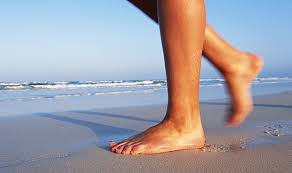
Feet on Hot Sand
Conduction
Convection
Radiation

Lava Lamp
Conduction
Convection
Radiation

Hot Air in a Toaster
Conduction
Convection
Radiation

Microwaving Food
Conduction
Convection
Radiation

Heat Lamps
Conduction
Convection
Radiation

