
NEW
Font size
 Worksheets
Unit 2 Comprehensive check
Total questions: 23
Worksheet time: 14mins

Which do BOTH prokaryotes and eukaryotes contain?
nucleus
mitochondria
ribosomes
cell wall
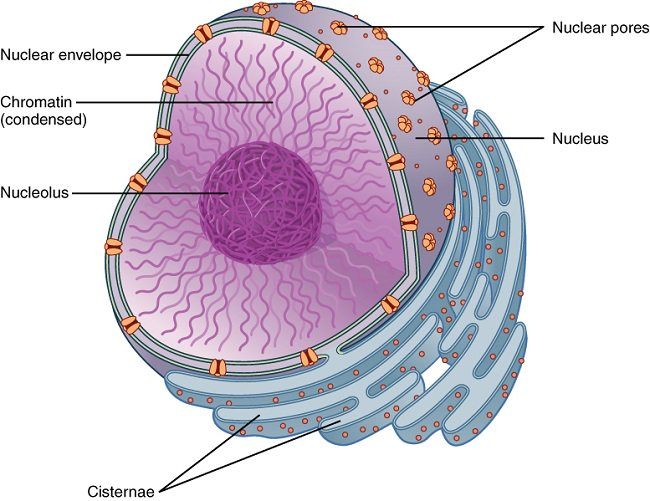
Helps assemble ribosomes, which are combinations made of protein and RNA (ribonucleic acid ).
nuclear membrane
nuclear pores
nucleoplasm
nucleolus

Directs all cell activities through the DNA located there.
Endomembrane System
Nucleus
Ribosomes
Mitochondria
Site of protein synthesis, and traveling of proteins occurs in...
Rough ER
Smooth ER
Lysosome
Plasma membrane
In the Golgi Apparatus, macromolecules such as lipids and proteins, are transported within the cell using____.
Vesicles
Ribosomes
Rough endoplasmic reticulum
DNA
What happens in the Golgi apparatus?
Proteins are created
Proteins are sorted, packaged, and tagged
Stores proteins and other substances
Deposits contents outside of the cell
Which sequence correctly traces the path of a protein in the cell?
ribosome, Golgi body, rough ER
ER, lysosome, Golgi body
ribosome, rough ER, chloroplast
ribosome, rough ER, Golgi body
vesicles that bud from the Golgi and contain digestive enzymes to break down large molecules
peroxisomes
nucleolus
lysosomes
ribosomes
What organelle would most be affected by the removal of the golgi apparatus?
Rough ER
How are vacuoles important in maintaining homeostasis?
Vacuoles create proteins for the nucleus
Vacuoles store excess water and waste let in by the membrane
Vacuoles store proteins made by the smooth er
Vacuoles store excess lipids created by the rough er
Cell walls are _______, while cell membranes are _______.
rigid, flexible
flexible, rigid
semi-permeable, solid
rigid, rigid
Which cell has a central large vacuole
plant cell
animal cell
bacterial cell
all eukaryotic cells

Exocytosis
Active Transport


If a red blood cell is put into distilled water (no salts or minerals) , what will most likely happen to the cell?
Nothing will happen
It will shrivel.
It will burst and then shrivel up
It will swell and burst
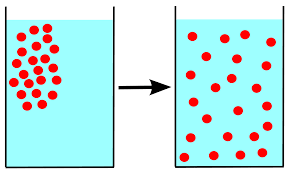

Which way will the water molecules move during osmosis? (The mickey mouse-looking symbols are water molecules)

