Worksheets
Natural Disasters Cumulative Review
Total questions: 233
Worksheet time: 5hrs 51mins

What is this natural disaster?
Huricane
Landslide
Earthquake
Avalanche

Name the natural disaster
Earthquake
Tsunami
Avalanche
Hurricane

Name the natural disaster
Tsunami
Hurricane
Landslide
Avalanche

Name the natural disaster
Hurricane
Tsunami
Wildfire
Landslide

Name the natural disaster
Landslide
Avalanche
Tsunami
hurricane

Name the natural disaster
earthquake
landslide
avalanche
hurricane

Name this natural disaster
Volcano
Wildfire
Landslide
Tsunami

What is the center of a hurricane called?
The Opening
The Eye
The Middle
What happens during a volcano?
magma explodes
dirt and soil slide down a hill
snow and ice slide down a hill
cold and warm air mix and form storm clouds
What happens during a hurricane?
magma explodes
rain makes the land soft and it slides down a mountain
an earthquake happens underwater and forms huge waves
warm and cold air mix and form storm clouds
What happens during a landslide
snow and ice slide down a mountain
lots of dirt slides down a mountain
magma explodes
an earthquake happens under water
Where do wildfires happen?
near the ocean
between the earth plates
in hot and dry forests
around the earth plates
Where do tsunamis happen?
in hot and dry forests
near the sea
at mountains or hills
between the earth plates
How can people stay safe when a tsunami happens?
go to high ground
find cover
cover mouth and eyes
watch out for rocks
True or False: Most wildfires happen because people are not careful.
False
True
A sudden shaking of the earth
earthquake
landslide
floods
a long period of dry weather and not enough water
drought
forest fire
famine
a lot of water that covers an area that is usually dry
flood
tsunami
tornado
a sudden fall of a lot of earth or rocks down a hill
landslide
earthquake
eruption
a volcanic eruption sends....
lava, ash and smoke
lava, ash and water
lava, ash and spinning wind
An extreme storm with spinning air
tornado
tsunami
heavy rain
Tsunami ...
is a very large wave
happens after an earthquake
is what surfers like
a storm with very strong fast winds that moves over water
hurricane
tsunami
tornado

What is this?
forest fire
volcanic eruption
drought
What makes forest fires worse?
wind
rain
snow
Can you predict a volcanic eruption?
Yes
No
Scientists can always predict an earthquake.
Yes
No

What is this natural disaster?
Earthquake
Flood
Tsunami
Hurricane

What is this natural disaster?
Storm
Landslide
Thunderstorm
I have no idea

What do the lines on this map represent?
volcanoes
easrthquakes
plate boundaries
travel routes

Which of these natural disasters happen on these plate boundaries?
earthquakes
volcanos
both of these
none of these

What do you call a tool used to measure the size of an earthquake?
earthquake monitor
Richter Scale
scale
seismograph
Mutations are SOMETIMES helpful to the organism.
True
False
A mutation is defined as:
A change in the cell's structure
Anything that changes in an embryo
Any change in the physical features of a human
A change in the DNA sequence
Mutations can benefit humans because they can:
Cause illness
Make an organism more suited to live in its environment.
Make organisms live shorter lives
Cause organisms to grow extra limbs.
In order for offspring to get a genetic mutation, the mutation must occur in what type of cell?
Cells with no nucleus.
Any body cell after birth.
Cells with no cell wall or cell membrane.
Cells like eggs or sperm cells that are undergoing reproduction.
Identify which of the following is a genetic mutation disease..
Common head cold
Cystic fibrosis
Heart attack
Chicken pox
When a beneficial mutation has occurred in an entire population of an organism, that species is said to have
gone extict
evolved
Which chromosome shows two bands of the same gene?


Which chromosome would show a mutation of a specific gene?


Mutations that are neither harmful nor helpful:
are neutral and have a negative effect on an organism
are neutral and have no effect on an organism
are neutral and have both a positive and negative effect on an organism
TRUE / FALSE: Mutations can change your phenotype (the way you look).
TRUE
FALSE
If a gene mutation codes for a smaller bird beak, and the bird lives on an island where the food source is composed of large seeds, would the mutation be beneficial, neutral, or negative?
beneficial
neutral
harmful
Mutations that increase an organism’s ability to survive and reproduce are:
harmful
helpful
not important

The picture shown is an example of
Vestigial structures
Homologous structures
Analogous structures
Fossils

Which process of evolution is demonstrated below?
Comparative anatomy
Homologous structures
Comparative embryology
Vestigial structures

Which evidence for evolution is shown below?
Comparative embryology
Homologous structures
Biochemical evidence
Vestigial structures
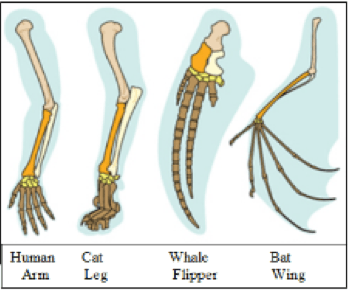
The bones in the figure above are-
Evidence of a common ancestor
Evidence that animals can walk
Evidence that fossils are old
Evidence of nothing
What conclusion can you draw from the fact that many modern whale species have vestigial pelvic and leg bones?
The ancestors of whales may have been land mammals
Whales could walk if they wanted to
Whales are preparing to evolve into land animals
Someday whales will be able to walk and will have legs

The picture shows similarities among the forelimbs of three animals. The similarities provide evidence for which of the following hypotheses?
Legs and wings may have evolved from flippers.
All mammals have evolved from an ancestor that was a bat.
A cat’s leg, a whales’sflipper, and a bat’s wing have identical functions
Cats, whales, and bats had the same ancestor millions of years ago.

Structures that are similar but their function may be different.
Homologous
Analogous
Vestigial
DNA
______________ structures are similar in function but not in structure
Vestigial
Homologous
Analogous
Embryonic


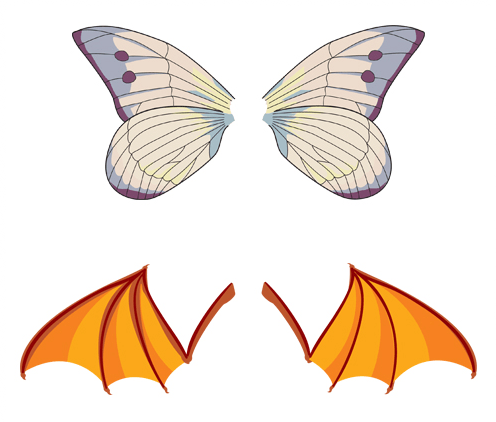
What is this an example of?
Homologous structure
Analogous structure
Vestigial organs
Functional adaption


The fossil record help scientists
better understand the kinds of organisms that lived in the past
better understand how the environment has changed over time
better understand how organisms have evolved over time
all of the above
What is common ancestry?
When a species no longer exists
When organisms are descended from a single ancestor

The cave fish and minnow are related to each other but the cave fish is blind and only has the remnants of an eye. What type of structure is this?
vestigial
analogous
What is an example of a vestigial structure in a human?
liver
appendix

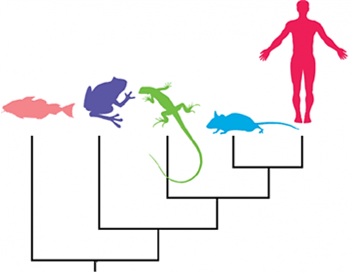
According to this phylogenetic tree, which creature is the least related out of all pictured?
Fish
Frog
Salamander
Human

Which of these animals does not have/produce an amniotic egg?
Turtle
Leopard
Lamprey
All three of these animals produce the amniotic egg

Which group of animals on this tree are most closely related to birds?
Saurischian dinosaurs
Ornithischian dinosaurs
Crocodiles
None of these are related to birds

If a plant has vascular tissue but no seeds, which of the four plant groups here would it fall into?
Ferns
Cone-bearing plants
Mosses
Flowering plants

According to this tree, which of these animal phyla are most closely related?
Arthropoda & Mollusca
Arthropoda & Chordata
Chordata & Mollusca
The process by which a cell divides into two genetically identical daughter cells is called-
cell division
interphase
meiosis
mitosis


Which of the following genotypes is dominant?
AA
Aa
aa
both AA and Aa
How would you write a homozygous dominant genotype?
AA
Aa
aa
either AA or Aa
Which of the following best describes the genotype "Rr"?
recessive
heterozygous
purebred
all of the above

If brown eyes are dominant and blue eyes are recessive, what color eyes do the parents in this Punnett Square have?
one has brown eyes and the other has blue eyes
they both have blue eyes
they both have brown eyes
there's no way to tell based on this information
What word describes a trait that helps an organism survive in its environment?
natural selection
mutation
camouflage
adaptation
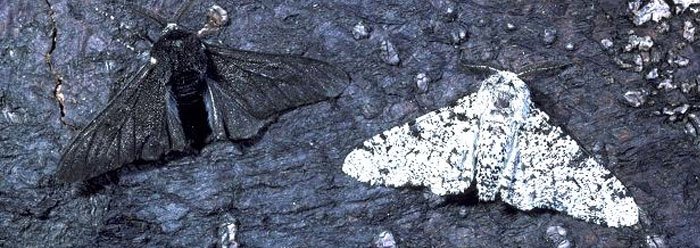
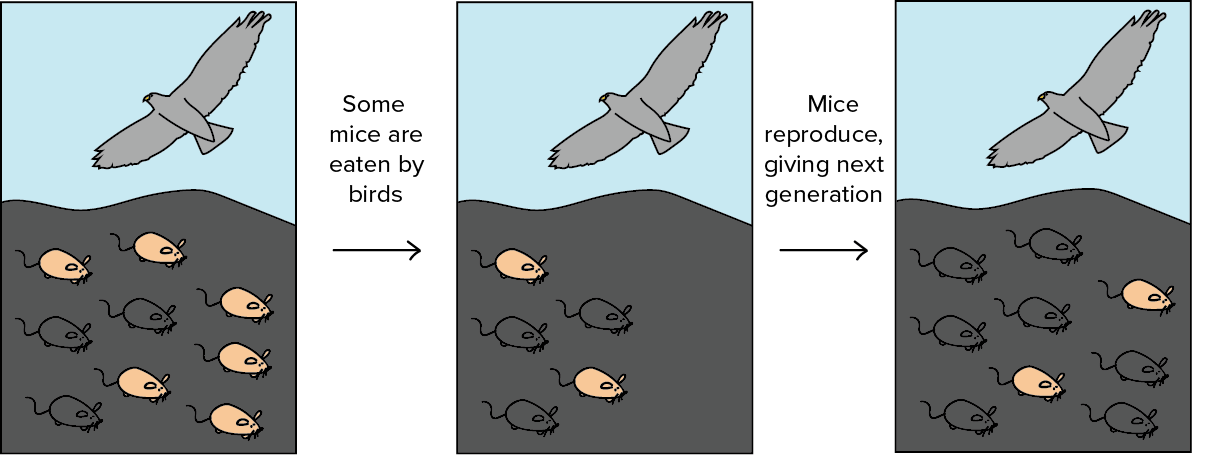
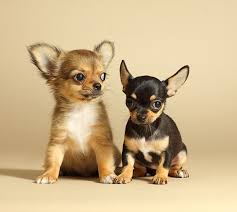
Based on the organism skulls, which organisms share the most recent common ancestor?
Select the two correct answers.


Based on the fossil layers shown, what can you infer about the past environment at this location?
The environment at this location has never changed
The organisms at this environment became simpler over time
The environment began as a dry land environment, then evolved into an ocean or water environment.
The environment began as an ocean or water environment, then evolved into a dry land environment.
When Charles Darwin observed finches on the Galápagos Islands, he noted differences in the shapes of the birds’ beaks. He observed that finches that ate insects had longer, narrower beaks than finches that crushed and ate seeds. Crushing seeds requires a larger, powerful beak. Based on this information, which finch shown below would most likely have an advantage for survival in an environment where seeds are the main source of food?


Using wind power to make electricity is an example of
Heat Energy
Solar Energy
Wind Energy
Light Energy
The clean, relatively low-cost energy source from the Sun is referred to as
solar energy.
magnetic energy.
energy efficient.
wind power.
The energy from moving water is called .
solar power.
hydroelectric power.
wind power.
fossil fuels .
Why is geothermal energy considered a renewable resource?
It doesn't matter if the water from underground evaporates.
The water evaporates.
The water cycle makes it rain.
The water can be put back and reused.
All the following is classified as a nonrenewable resource, BUT...
oil
natural gas
water
coal
A resource is renewable because...
it cannot be replaced as fast as people use it.
it can be recycled.
it can easily be replaced as it is used.
it is available in limited supplies.
A resource is nonrenewable because...
it cannot be replaced as fast as people use it.
it can be recycled.
it can easily be replaced as it is used.
it is available in limited supplies.

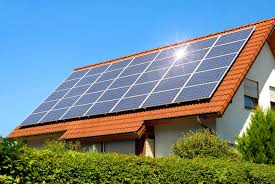
This natural resource pictured her is an example of a...
nonrenewable solar
renewable solar
nonrenewable wind
renewable water
The following are renewable sources of energy
wind and water
coal and natural gas
sunlight and petroleum
minerals and oil
The following are nonrenewable sources of energy
wind and water
coal and natural gas
sunlight and petroleum
minerals and oil
Forests are
Renewable resource
Nonrenewable resource
Our main reasons for using fossil fuels are
Cheap
Expensive
Convenient
Clean
Inconvenient
Our main reason to use renewable resources are
Cheap
Expensive
Convenient
Clean
Limitless supply

This natural resource is...
nonrenewable wind
renewable solar
renewable wind
renewable water
Which of the following is a major cause of air pollution?
burning fossil fuel
dumping waste in landfills
using wind and solar energy
releasing waste into rivers, lakes, streams...
What is the major use of natural gas?
Transportation
Heating homes
Power generation
Industry

What is biomass?
Anything that is or once was alive
A fossil fuel
a nonrenewable resource
A oil we find underground

What is Biomass good for?
gas
Heat and electricity
oil
to make plastic

What are the three main fuels for Biomass?
wood, water, fruit
wood,corn, acohol
beans, corn, alchohol
wood, alchohol, crops
Is Biomass
Nonrenewable
renewable

Which of the following are Non-Renewable energy resources? (Check all that apply.)
coal
wind
solar
nuclear

One advantage of solar and wind power over fossil fuels is that
wind and solar are presently much less expensive than fossil fuels.
wind and solar come from natural processes and fossil fuels do not.
wind and solar are nonrenewable resources and fossil fuel are renewable.
wind and solar are continuously renewable and fossil fuels take millions of years to be formed.

Renewable or Nonrenewable: Coal
Renewable
Nonrenewable

Renewable or Nonrenewable: Natural Gas
nonrenewable
renewable

Renewable or Nonrenewable: Oil
Nonrenewable
Renewable

Renewable or Nonrenewable: Sunlight
Renewable
Nonrenewable

Renewable or Nonrenewable: Water
Nonrenewable
Renewable

Renewable or Nonrenewable: Wind
Renewable
Nonrenewable

This energy is from moving air.
Wind Energy
Geothermal Energy
Fossil Fuel Energy
Biofuel

This is electrical energy that comes from the force of energy of moving water. It is the most widely used type of renewable energy.
Coal
Hydroelectric Power
Wind Energy
Geothermal Energy

This is a liquid fuel derived from plant materials.
wind energy
biofuel (from biomass)
geothermal energy
solar energy

This is the energy generated in the Earth's core and produces steam and hot water.
Solar Energy
Hydroelectric Power
Fossil Fuels
Geothermal

Solar energy is a completely renewable resource.
Advantage
Disadvantage

Fossil Fuels produce carbon dioxide that pollutes the atmosphere.
Advantage
Disadvantage

Biomass requires a lot of space.
Advantage
Disadvantage

Hydropower can have a negative impact on river wildlife.
Advantage
Disadvantage

Fossil Fuels are a nonrenewable resource.
Advantage
Disadvantage
What does heat do when convection currents are moving?
Sinks
Rises
Stays in place

Which picture shows material that is more dense?
The picture of the left
The picture on the right
When do particles move faster?
In hot water
In cold water
Why does ice float?
Due to convection currents
It is more dense than water.
It is less dense than water.
What is an example of a convection current?
Touching a hot spoon that was in a soup bowl.
Feeling the suns rays on a nice summer day.
Touching an iron skillet after cooking and feeling the heat.
Movement of gas in a hot air balloon.
Which type of material rises?
Material that is more dense
Material that is less dense
The density does not determine if particles will rise or fall
What is an example of convection currents
Feeling the heat from a bonfire with your friends
Touching a hot curling iron
The movement of air in a circular motion in the atmosphere
True or False
Convection currents is a type of heat transfer that can be felt though empty space.
True
False
Where do convection currents occur?
In the classroom
In the atmosphere
Inside the Earth in the mantle
Inside the Earth in the inner core
In a pot of cold water
Which is an example of convection?
Touching a hot pot
Gases rising and falling in the atmosphere
Cooking a burger
True or False
Convection currents can happen in a bunch of different examples around the world.
True
False

Where do convection cycles happen?
core
mantle
crust

Which material is more dense?
solid
liquid
gas
What is magma made of?
solid rock
melted rock
small pieces of sediment

Which state of matter is least dense?
Solid
Liquid
Gas

What layer of earth changes because of the convection cycle?
Crust
Core
Mantle

What type of heat transfer happens between the warm ground and the first few meters of air?
Radiation
Conduction
Convection
What type of heat transfer happens by the rising of warm air?
Radiation
Conduction
Convection

Which location would get more direct sunlight?
Red arrow
Green arrow
They would get the same
Cold air is ____________ than warm air and ___________.
more dense; sinks
less dense; rises
more dense; rises
less dense; sinks
Using wind power to make electricity is an example of
Heat Energy
Solar Energy
Wind Energy
Light Energy
The clean, relatively low-cost energy source from the Sun is referred to as
solar energy.
magnetic energy.
energy efficient.
wind power.
The energy from moving water is called .
solar power.
hydroelectric power.
wind power.
fossil fuels .
Why is geothermal energy considered a renewable resource?
It doesn't matter if the water from underground evaporates.
The water evaporates.
The water cycle makes it rain.
The water can be put back and reused.
All the following is classified as a nonrenewable resource, BUT...
oil
natural gas
water
coal
A resource is renewable because...
it cannot be replaced as fast as people use it.
it can be recycled.
it can easily be replaced as it is used.
it is available in limited supplies.
A resource is nonrenewable because...
it cannot be replaced as fast as people use it.
it can be recycled.
it can easily be replaced as it is used.
it is available in limited supplies.
This natural resource pictured her is an example of a...
nonrenewable solar
renewable solar
nonrenewable wind
renewable water
The following are renewable sources of energy
wind and water
coal and natural gas
sunlight and petroleum
minerals and oil
The following are nonrenewable sources of energy
wind and water
coal and natural gas
sunlight and petroleum
minerals and oil
Forests are
Renewable resource
Nonrenewable resource
Our main reasons for using fossil fuels are
Cheap
Expensive
Convenient
Clean
Inconvenient
Our main reason to use renewable resources are
Cheap
Expensive
Convenient
Clean
Limitless supply
This natural resource is...
nonrenewable wind
renewable solar
renewable wind
renewable water
Which of the following is a major cause of air pollution?
burning fossil fuel
dumping waste in landfills
using wind and solar energy
releasing waste into rivers, lakes, streams...
What is the major use of natural gas?
Transportation
Heating homes
Power generation
Industry
What is biomass?
Anything that is or once was alive
A fossil fuel
a nonrenewable resource
A oil we find underground
What is Biomass good for?
gas
Heat and electricity
oil
to make plastic
What are the three main fuels for Biomass?
wood, water, fruit
wood,corn, acohol
beans, corn, alchohol
wood, alchohol, crops
Is Biomass
Nonrenewable
renewable
Which of the following are Non-Renewable energy resources? (Check all that apply.)
coal
wind
solar
nuclear
One advantage of solar and wind power over fossil fuels is that
wind and solar are presently much less expensive than fossil fuels.
wind and solar come from natural processes and fossil fuels do not.
wind and solar are nonrenewable resources and fossil fuel are renewable.
wind and solar are continuously renewable and fossil fuels take millions of years to be formed.
Renewable or Nonrenewable: Coal
Renewable
Nonrenewable
Renewable or Nonrenewable: Natural Gas
nonrenewable
renewable
Renewable or Nonrenewable: Oil
Nonrenewable
Renewable
Renewable or Nonrenewable: Sunlight
Renewable
Nonrenewable
Renewable or Nonrenewable: Water
Nonrenewable
Renewable
Renewable or Nonrenewable: Wind
Renewable
Nonrenewable
This energy is from moving air.
Wind Energy
Geothermal Energy
Fossil Fuel Energy
Biofuel
This is electrical energy that comes from the force of energy of moving water. It is the most widely used type of renewable energy.
Coal
Hydroelectric Power
Wind Energy
Geothermal Energy
This is a liquid fuel derived from plant materials.
wind energy
biofuel (from biomass)
geothermal energy
solar energy
This is the energy generated in the Earth's core and produces steam and hot water.
Solar Energy
Hydroelectric Power
Fossil Fuels
Geothermal
Solar energy is a completely renewable resource.
Advantage
Disadvantage
Fossil Fuels produce carbon dioxide that pollutes the atmosphere.
Advantage
Disadvantage
Biomass requires a lot of space.
Advantage
Disadvantage
Hydropower can have a negative impact on river wildlife.
Advantage
Disadvantage
Fossil Fuels are a nonrenewable resource.
Advantage
Disadvantage
One benefit of geothermal energy is that ________________________________.
a plant can be built ANYWHERE
it doesn't cost a lot of money to build
it can provide power 24 hours a day
it harms ecosystems where it's built

Which of these is a true statement about nuclear power?
It's waste can destroy habitats and ecosystems.
It doesn't cost a lot of money to build.
It does not produce radioactive waste.
It produces very little amounts of energy.
Which statement is true about coal and natural gas?
Both are renewable resources
Both require wind in order to work
Both lead to greenhouse gases and climate change
Neither one causes global warming

What is a disadvantage to Hydroelectricity?
lots and lots of pollution
Kills wild bird population
Radioactive waste
Increases potential for flooding

Which of the following is an advantage of using coal as an energy resource?
There is not an abundant supply of coal.
Coal is less expensive than oil.
Burning coal contributes to global warming.
Coal can be used to produce electricity.

What are the advantages of Geothermal energy?
Is a nonrenewable resource
Can only be used in specific places in the world
It comes from the Earth
Takes months to build the machines to extract energy
Which of the following is a disadvantage of fossil fuels?
Not easily available
causes pollution when burned
only available at certain times
creates long lasting waste

Which of these is NOT a disadvantage of a nuclear power plant?
It's waste can destroy habitats and ecosystems.
It costs a lot of money to build.
It produces radioactive waste.
It produces large amounts of energy.
Another advantage of using hydropower is that
it's able to produce a steady flow of energy 24 hours a day
it's very cheap to build a dam
no ecosystems are destroyed by damming up a river
dams cause flooding
Why do most of the power plants in the US burn coal as an energy source?
They haven't developed the technology to use anything else.
Mining for coal does not harm any habitats or ecosystems.
Coal is a non-polluting source of energy.
Coal is a renewable energy source.