Worksheets
Heat Transfers Test Review
Total questions: 25
Worksheet time: 32mins

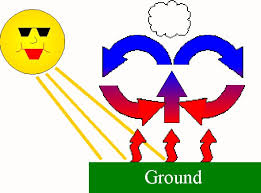
Which shows an example of convection?
Jose cooks an egg in a pot of boiling water.
Clara burns her hand by touching a light bulb.
Lucy wraps herself in an electric blanket to keep warm.
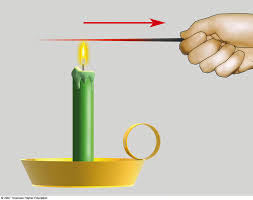
Ben holds the end of a metal rod in a fire to cook hot dogs.
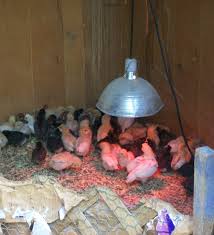
Which is an example of radiated heat for cooking?
cooking a pot of soup
scrambling eggs on the stove
grilling hot dogs over a campfire
frying hamburgers in a frying pan
Which is the best example of conduction?
boiling a pot of water
feeling heat from a fireplace
a hot air balloon rising and falling
touching a hot handle and getting burned
Sarah is stirring her hot chocolate with a metal spoon, and she notices that the spoon is getting hot. This is most likely caused by which type of heat?
conduction
convection
radiation
insulation

Which direction will the heat flow while this person holds a hot cup of tea?
from the cup to her hand
from her hand to the cup
no heat is transferred
Heat does not move
When heat is transferred from objects like rays of light or electromagnetically.
a hot liquid or air that expands, becomes less dense, and rises or becomes more dense, and sinks.
When heat transfers through matter by direct contact of its particles
When heat transfers through the heater or AC in your house.
When heat transfers through the heater or AC in your house.
When heat transfers from objects that are touching.
a hot liquid or air that expands, becomes less dense, and rises or becomes more dense, and sinks.
transfer of thermal energy by waves that can travel through empty space.

What is the movement of thermal energy called?
temperature
radiation
heat
conduction
Thermal Energy depends upon the energy of the particles as well as the number of particles.
Which would have more thermal energy, a small cube of Ice at zero Celsius or a large cube of ice at zero Celsius?
The large ice cube because it has more particles than the small ice cube
The small cube of ice because it will melt faster than the large ice cube
Neither, they are cold so they do not have thermal energy
both have the same thermal energy because they are both at zero Celsius.
The movement of thermal energy from a hotter object to a colder one is called
Motion
Kinetic energy
Temperature
Heat

If you brought sample A and B close together , in what direction would heat be transferred?
From sample A to sample B
From sample B to sample A
Heat would not be transferred.
sample A and sample B would both transfer heat to each other.
Temperature is the __________ _________ energy of moving particles
average potential
average kinetic
total potential
total kinetic
Thermal energy is the __________ _________ energy of moving particles
total potential
average potential
average kinetic
total kinetic