
 Worksheets
Module 11 Vocab Quiz
Total questions: 40
Worksheet time: 21mins
Leader of the Nez Perce who fled to Canada to avoid life on a reservation before being captured.
“I will fight no more forever.”
Geronimo
Sitting Bull
Chief Joseph
Which of the following was NOT part of the physical environment of the Great Plains?
land eroded by wind and water
forests
low rainfall
frequent dust storms
The Homestead Act was written to encourage people to
move to eastern cities
mine and raise cattle in the west
settle and farm western lands
avoid border conflicts with Mexico
Leader of the Sioux indians
Crazy Horse
Sitting Bull
Chief Joseph
Geronimo
Who was an adventurous explorer that explored the land west of the American settlements?
George Washington
Daniel Boone
Thomas Jefferson
John Adams

Which persident bought the Lousiana Territory
George Washington
James Madison
John Adams
Thomas Jefferson

How much did the USA pay for the Louisiana Territory
100 million
55 million
25 million
15 million

Which country sold Louisiana Territory to the USA
Canada
Britain
France
Spain

Which historic figure sold Louisina to the USA
Napoleon Bonaparte
King George III
Pope Alexander
King Louis 16

Lewis and Clark were famous because
They bought Louisiana for the USA
The explored the Louisiana Territory
They fought for Napoleon's army
The saved Washington from the British army

Who burned the White House in 1814
The French
The Americans
The Cherokee Nation
The British

Which persident was elected AFTER Thomas Jefferson
George Washington
James Madison
John Adams
Andrew Jackson
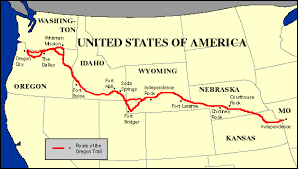
Between 1840 and 1860 what route did people choose to travel on?
Idaho Trail
West Route
Pioneer Road
Oregon Trail
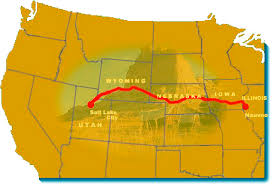

Transcontinental means
a railroad company
a train
crossing the country
steam engine
Indian Removal Act
US Policy of forcing the Native Americans to leave the lands they've known and move to an unsettled part of the West
Killing of Native Americans and their families
A law forcing everyone to call these people "Native Americans" instead of "Indians"
Changing states to Indian Territories
The cotton gin was a machine that _________.
removed seeds from cotton fiber
wove cotton into clothing
easily extracted cotton from the plant
allowed farmers to plant cotton and a quicker rate.
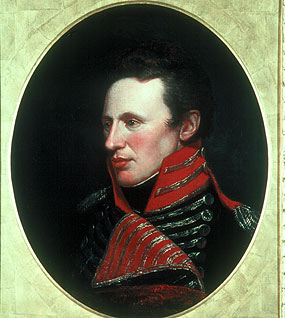


an area that is under developed
Boomtowns
Frontier
Cattle Drive
Standard Time
Pony Express
System developed by railroad companies dividing the US into 4 time zones
Boomtowns
Frontier
Cattle Drive
Standard Time
Pony Express
towns that serviced new mines and emptied when the mines closed
Boomtowns
Frontier
Cattle Drive
Standard Time
Pony Express
movement of cattle herds to market or new grazing lands
Boomtowns
Frontier
Cattle Drive
Standard Time
Pony Express
mail delivery system in which messengers transported mail on horseback across the country
Boomtowns
Frontier
Cattle Drive
Standard Time
Pony Express
In 1830, the _____ was passed - which relocated Natives to Indian Territory.
Fugitive Slave Laws
Industrial Revolution
Indian Removal Act
Missouri Compromise
African Americans who left the South and migrated to the west to find a better life were:
Exodusters
Indentured Servants
Freedmen
Settlers
Sodbuster refers to what main job / industry in the late 1800s and early 1900s
Logging
Textiles
Farming
Mining
Any political movement that represents the interests of the “common people” is known as
capitalism.
populism.
bimetallism
activism
In the late 1800s, the Populist movement arose out of the concerns of
the wealthy.
the middle class.
farm workers.
factory owners.
Which event in the history of the Populist movement happened first?
the Populist—or People’s—Party was formed
Bryan spoke at the Democratic convention
Weaver lost his bid for the presidency
the Omaha Platform was presented

