wayground logo

Free Printable Worksheets

Font size

S
M
L
XL
Worksheets

Spring County Benchmark Review

Total questions: 180

Worksheet time: 3hrs 35mins

Name
Class
Date
1.

___________ reproduction has the advantage of increasing genetic variation.

a)

Sexual

b)

Asexual

c)

Fission

d)

Budding

2.
When comparing the offspring of sexually and asexually reproducing organisms, we would expect the genetic material (DNA) of the sexually reproducing organism to -
a)
contain fewer mutations
b)
be lesser in quantity
c)
be simpler overall
d)
show more variation
3.
What is one disadvantage for asexual reproduction?
a)
Happens very quickly
b)
Only needs one parent
c)
Lack of genetic diversity
d)
All offspring are exact copies of parent
4.
What is an advantage of sexual reproduction?
a)
Higher chance of adapting or evolving over time
b)
Only needs one parent
c)
Happens very quickly and easily 
d)
Produces many offspring
5.

What is one advantage of asexual reproduction?

a)

offspring are different from parents

b)

diseases are not passed from parent to offspring

c)

it takes a longer time

d)

it takes less time

6.

What is an advantage of sexual reproduction?

a)

it is a faster process

b)

negative traits of parents may not always be passed to offspring

c)

it takes more energy and time

d)

finding a mate is necessary

7.

responsible for taking in oxygen and releasing carbon dioxide

a)

muscular

b)

digestive

c)

circulatory

d)

respiratory

8.

also known as the cardiovascular system; transports chemicals, gases, nutrients

a)

lymphatic

b)

circulatory

c)

nervous

d)

skeletal

9.
This system controls all other systems. 
a)
respiratory
b)
nervous
c)
endocrine
d)
integumentary
10.
What is the main function of the excretory system?
a)
to collect and remove wastes from the body
b)
to strengthen skeletal muscles
c)
to protect the nervous system
d)
to bring oxygen to body cells
11.
What is the main function of the respiratory system?
a)
to provide oxygen and remove carbon dioxide from the body
b)
to bring oxygen to the body
c)
to break down food and absorb nutrients
d)
to remove oxygen from the body and deliver carbon dioxide
12.

What gas makes up 21% of Earth's Atmosphere?

a)

Nitrogen

b)

Oxygen

c)

Ozone

d)

None of the Above

13.

This circle graph shows the percentage of different gases in Earth's atmosphere. Which gas is represented by Gas #1?

a)

Carbon dioxide

b)

Hydrogen

c)

Nitrogen

d)

Oxygen

14.

Which element makes up MOST of the air we breathe?

a)

Carbon

b)

Nitrogen

c)

Oxygen

d)

Argon

15.

Which element makes up the LEAST amount of the air breathe?

a)

Carbon

b)

Nitrogen

c)

Oxygen

d)

Argon

16.
Which of the following chemical formulas represents a compound? 
a)
C3
b)
O2
c)
CH3CHO
d)
H2
17.
This picture represents which of the following?
a)
element
b)
compound
c)
mixture
18.
Are these molecules also compounds?
a)
YES
b)
NO
19.
Are these molecules also compounds?
a)
YES
b)
NO
20.
What gas is released into the air during cellular respiration?
a)
oxygen
b)
carbon dioxide
c)
water 
d)
glucose
21.
What are the products in cellular respiration?
a)
water and carbon dioxide
b)
water and glucose
c)
carbon dioxide and oxygen
d)
glucose and oxygen
22.

Which of the following equation explains cellular respiration?

a)

sugar+water -> salt+sunlight

b)

sugar+oxygen -> water+carbon dioxide+energy

c)

water+carbon dioxide+sunlight -> sugar+oxygen

d)

Sugar+energy -> water+carbon dioxide+oxygen

23.

Where do animals get the oxygen and glucose they need for cellular respiration?

a)

Plants

b)

Mitochondria

c)

Sun

d)

other animals

24.
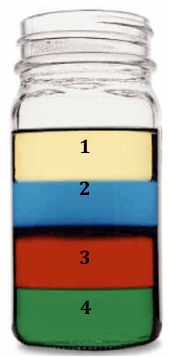
Put the liquids in order from most dense to least dense?
a)
4, 3, 2, 1
b)
1, 2, 3, 4
c)
3, 4, 2, 1, 
d)
4, 3, 1, 2
25.
Why do some substances float on water?
a)
they are warmer than water
b)
they are cooler than water
c)
they are more dense than water
d)
they are less dense than water
26.

A substance has a melting point of 25 oC and a boiling point of 235 oC. What state is it at 5oC?

a)

Solid

b)

Liquid

c)

Gas

27.
When a solid reaches the temperatures of its ___, it can become a liquid.
a)
melting point
b)
freezing point
c)
boiling point
d)
density
28.
What you see, or the physical appearance.
a)
Genotype
b)
Phenotype
c)
Homozygous
d)
Heterozygous
29.
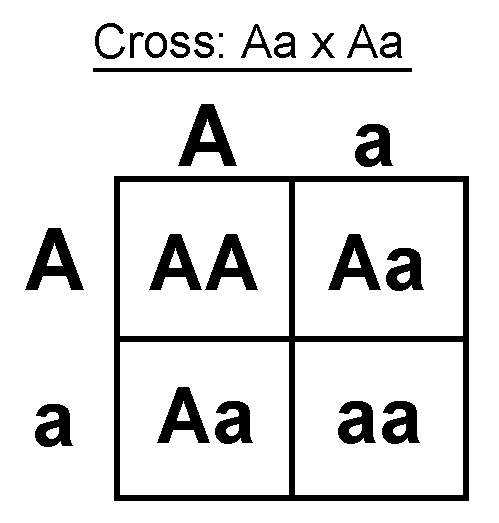
What allele combination should go in the missing box?
a)
AA
b)
Aa
c)
aa
d)
none of these
30.
Each one of the boxes on the Punnett Square represents what probability of an offsprings' genotype?
a)
25%
b)
1%
c)
10%
d)
0%
31.
What is the phenotype of the offspring? (A-Brown hair; a-blond hair) 
a)
50 % Brown Hair and 50% Blond Hair 
b)
25 % Brown Hair and 75% Blond Hair 
c)
75 % Brown Hair and 25% Blond Hair 
d)
0% Brown Hair and 100% Blond Hair 
32.
Which of the following genotypes is homozygous dominant?
a)
A
b)
Aa
c)
AA
d)
aa
33.
Which of the following genotypes is heterozygous?
a)
Bb
b)
BB
c)
bb
d)
B
34.
Which of the following is homozygous recessive?
a)
Tt
b)
tt
c)
TT
d)
T
35.
What three things do ALL cells have?
a)
Cytoskeleton, Cell membrane, vacuole
b)
DNA, ribosome, nucleus
c)
Cell wall, cytoskeleton, golgi apparatus
d)
Cell membrane, cytoplasm, DNA
36.
Protects plants cells and helps plants stand upright. Makes treebark rough and rigid.
a)
Cell wall
b)
Cell membrane
c)
Cytoskeleton
d)
Cytoplasm
37.
Uses energy from the sun to make sugars/food for the cell
a)
Mitochondria
b)
Chloroplast
c)
Vacuole
d)
Lysosome
38.
Controls what enters and exits the cell, like a fence
a)
Cell membrane
b)
Cytoplasm
c)
Nucleus
d)
Ribosome
39.
In the given scenario what will happen to the organism: salt is poured onto eggplant.
a)
Water will move out of the eggplant cells and the cells will shrink.
b)
Water will move out of the eggplant cells and the cells will swell.
c)
Water will move into the eggplant cells and the cells will swell.
40.
An animal cell placed in a hypertonic (salty) solution will
a)
Shrink
b)
Swell
c)
Stay the same
41.
A person should never drink salty water because their cells would
a)
shrink
b)
expand
42.

The graph shows changes in carbon dioxide

(CO2) concentrations and surface temperatures

on Earth from the years 1880 to 2000.

Why do carbon dioxide concentrations and

surface temperatures show the relationship seen

in the graph?

a)

because lower carbon dioxide levels mean more

heat is retained in Earth's atmosphere

b)

because higher carbon dioxide levels mean

more heat is retained in Earth's atmosphere

c)

because lower carbon dioxide levels mean less

heat is retained in Earth's atmosphere

d)

because higher carbon dioxide levels mean less

heat is retained in Earth's atmosphere

43.
Which of the following is the best conclusion that can be made from this graph?
a)
atmospheric carbon dioxide levels have been decreasing since 1960
b)
Hawaii has a lot of carbon dioxide
c)
humans have been working hard to decrease carbon dioxide levels
d)
atmospheric carbon dioxide levels have increased steadily since 1960
44.

All of these graphs reveal scientific evidence for climate change. Which graph has the most significant increase of change in a short period of time?

a)
b)
c)
d)
45.

In Graph A, Atmosphereic CO2 Concentrations, what is the highest historical CO2 level recorded before 1950

a)

180 ppm

b)

220 ppm

c)

300 pmm

d)

380 ppm

46.
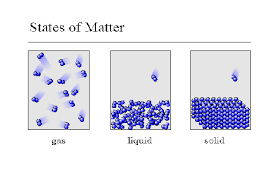
Which state of matter has particles that are tightly packed?
a)
liquid
b)
gas
c)
solid
47.
Using the picture, match the state of matter in glass A with its correct name.
a)
Lava
b)
Plasma
c)
Liquid
d)
Gas
48.
Using the picture, match the state of matter in glass C with its correct name.
a)
Gas 
b)
Air
c)
Solid
d)
Goo
49.
Using the picture, match the state of matter in glass B with its correct name.
a)
Gas
b)
Liquid
c)
Solid
d)
Plasma
50.

What does this image show?

a)

Solid

b)

Liquid

c)

Gas

51.

What does this image show?

a)

Solid

b)

Liquid

c)

Gas

52.

What does this image show?

a)

Solid

b)

Liquid

c)

Gas

53.
Uses energy from the sun to make sugars/food for the cell
a)
Mitochondria
b)
Chloroplast
c)
Vacuole
d)
Lysosome
54.
Controls all cell activities and contains DNA
a)
Ribosome
b)
Chloroplast
c)
Endoplasmic reticulum
d)
Nucleus
55.
“Powerhouse” of the cell, breaks food down into energy for the cell
a)
Vacuole
b)
Chloroplast
c)
Nucleus
d)
Mitochondria
56.
What organelle is considered to be the “gatekeeper” for plant and animal cells?  It only allows certain things to come in and out of the cell.

a)
Cell Wall
b)
Cytoplasm
c)
Nucleous
d)
Cell Membrane
57.
Known as the “Power Houses” of the cell. These organelles convert energy stored in food to energy that the cell can use to live and function
a)
Mitochondria
b)
Golgi Apparatus
c)
Cell membrane
d)
Endoplasmic Reticulum
58.
Only found in Plants, these organelles are filled with a green pigment called chlorophyll. They capture sunlight and turn it into energy
a)
Cell wall
b)
Chloroplasts
c)
Vacuole
d)
Lysosomes
59.
Most of the cell consists of a thick, clear, gel like fluid that the cell's organelles are suspended in. 
a)
Nucleus
b)
Cell Wall
c)
Ribosomes
d)
Cytoplasm
60.
How many valence electrons are found in atoms of group 14?
a)
4
b)
3
c)
14
d)
16
61.
How many valence electrons are found in atoms of group 15?
a)
4
b)
5
c)
2
d)
3
62.
How many valence electrons are found in atoms of group 1?
a)
7
b)
6
c)
4
d)
1
63.

What are valence electrons?

a)

The total number of electrons in an atom

b)

The number of electrons in the outermost shell

c)

The number of electrons in the second shell

d)

The number of protons in the outermost shell

64.

UP and DOWN columns on the periodic table are

a)

groups

b)

periods

65.

SIDE TO SIDE rows on the periodic table are

a)

groups

b)

periods

66.

The group number tells you the number of

a)

protons

b)

valence electrons

c)

energy levels

67.

groups on the periodic table tell you

a)

the number of energy levels (rings)

b)

the number of protons

c)

the elements identity

d)

the number of valence electrons

68.

groups on the periodic table go in what direction

a)

side to side

b)

up and down

c)

both up and down and side to side

d)

diagonal on a staircase

69.

periods on the periodic table go what direction

a)

side to side

b)

up and down

c)

on a diagonal staircase

d)

both up and down and side to side

70.

Which chemical formula accurately represents the provided model?

pink-Na. green-Cl. yellow-S. blue-H

a)

H2S + 2NaCl ---------->Na2S + 2NaCl

b)

Na2S + 2NaCl ---------> Na2S + 2NaCl

c)

2NaCl + H2S -----------> Na2S + 2NaCl

71.

Which of the models best represents CaCO3?

a)
b)
c)
d)
72.

What combination of beads should the use to model the formula? Blue represents carbon, green represent oxygen and red represent hydrogen.

a)

6 blue, 6 red and 6 green

b)

12 green, 6 red and 6 blue

c)

12 red, 6 blue and 6 green

d)

12 blue, 6 green and 6 red

73.

What key words, when present in a question about chemical reactions, might indicate a chemical change is occuring? Check all that apply.

a)

Bubbling

b)

Fizzing

c)

Dissolving

d)

Evaporating

74.
Fizzing, foaming, and burning are all examples of
a)
Chemical change
b)
Physical change
75.

Which of the following could indicate that a chemical change took place?

a)

Change in color

b)

Production of Energy

c)

Formation of Gas

d)

All are correct

76.

When a new substance is formed with different properties than the original substance it is called a...

a)

Chemical change

b)

Physical change

c)

Change in State

d)

Change in appearance only.

77.
The ability of a metal to allow heat or electricity to pass through it.
a)
conductivity
b)
insulator
c)
mass
d)
density
78.

If the particles in a conductor are more tightly packed it will have a smaller conductivity

a)

TRUE

b)

FALSE

79.

Which solution will have a higher conductivity?

a)

Left one, since it is concentrated

b)

Right one, since it is concentrated

c)

Left one, since it is diluted

d)

Right one since it diluted.

80.
Water exists as a _____________ at 700 mmHg and 50 °C.
a)
solid
b)
liquid
c)
gas
d)
supercritical fluid
81.
What phase change(s) may occur at pressures below 4.58 mmHg?
a)
sublimation/deposition
b)
melting/freezing
c)
all phase changes are possible at these pressures
d)
vaporization/condensation
82.
At 10 atm, dry ice is heated from -100 °C to 30 °C.  What changes occur?
a)
freezing, then condensation
b)
melting only
c)
sublimation only
d)
melting, then boiling
83.
Water exists as a _____________ at 3 mmHg and 50 °C.
a)
solid
b)
liquid
c)
gas
d)
supercritical fluid
84.
Which statement is true for carbon dioxide at -60 °C?
a)
All three phases are possible.
b)
It can exist as a solid or a gas, depending on pressure.
c)
It is a solid.
d)
With enough pressure it can be melted.
85.
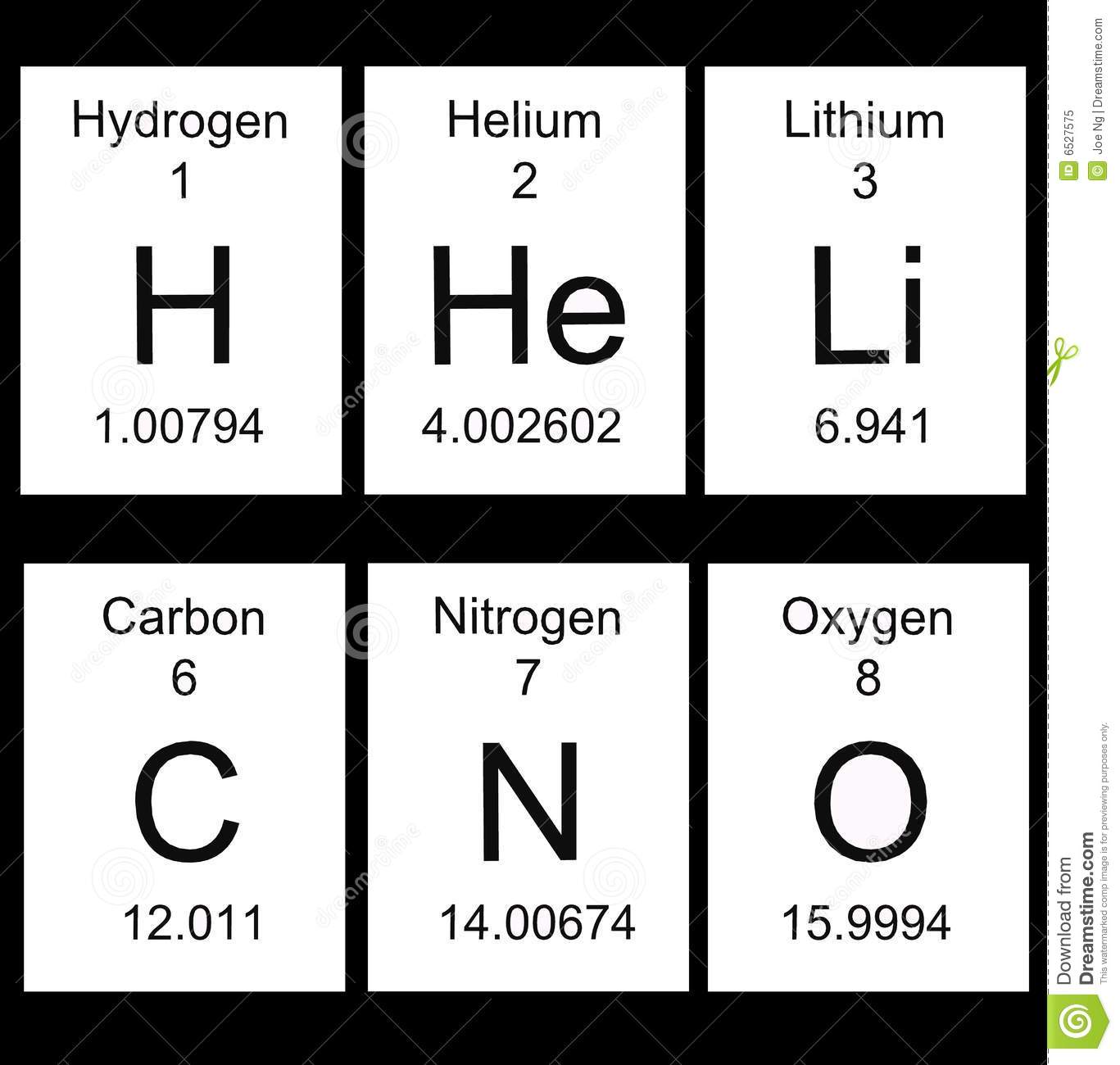
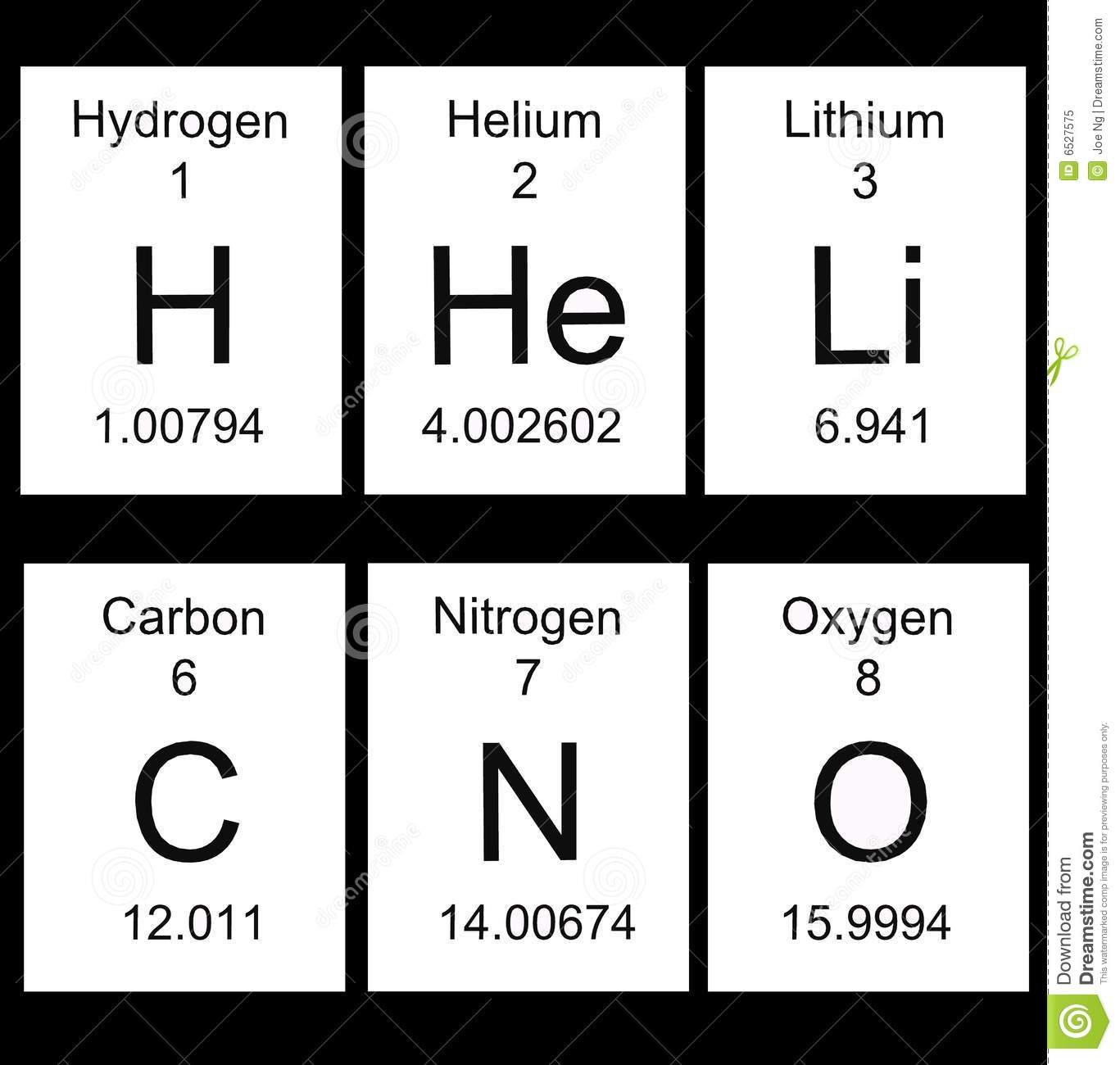
The number at the bottom of each square on the periodic table is the ...
a)
atomic number
b)
atomic mass
c)
chemical symbol
d)
element name
86.
The number at the top of each square on the periodic table is the ...
a)
atomic number
b)
atomic mass
c)
Chemical Symbol
d)
Element Name
87.
a)
energy levels
b)
valence electrons
c)
protons
d)
neutrons
88.
a)
energy levels
b)
valence electrons
c)
protons
d)
neutrons
89.
a)
Group 1
b)
Group 17
c)
Group 2
d)
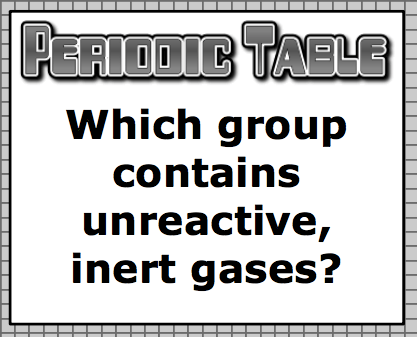
Group 18
90.
a)
Group 1
b)
Group 17
c)
Group 18
d)
Group 2
91.
a)
Metals
b)
Nonmetals
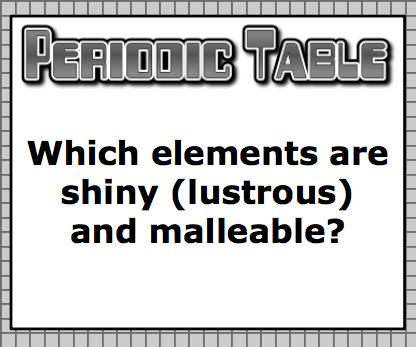
c)
Metalloids
92.
a)
Metals
b)
Nonmetals
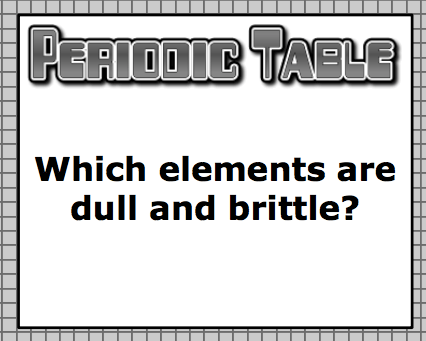
c)
Metalloids
93.
a)
Metals
b)
Nonmetals
c)
Metalloids
94.

Mutations can be...

a)

Harmful

b)

Beneficial

c)

Neutral

d)

All of the Above

95.

Many mutations...

a)

Occur randomly

b)

Occur because of bad eating habits

c)

Occur because of lack of exercise

96.

Your enzymes can repair some mutations

a)

True

b)

False

97.

Mutations are...

a)

Changes in the sequence of DNA

b)

Broken chromosomes

c)

Bad genes

98.

When your body's enzymes repair a mutation, it has...

a)

No effect

b)

A harmful effect

c)

A positive effect

99.
Which human activity contributes the MOST carbon dioxide to the atmosphere?
a)
Fishing
b)
Breathing
c)
Burning Fossil Fuels
d)
Farming
100.
Why does cutting down trees increase global warming?
a)
trees soak up carbon dioxide
b)
trees provide shade which counteracts global warming
c)
trees absorbs the sun's energy without radiating back into the atmosphere
d)
trees drain greenhouse gases like methane from soil
101.
Which process removes carbon from the atmosphere?
a)
Decomposition
b)
Condensation
c)
Photosynthesis
d)
Respiration
102.

When humans breathe out, carbon moves from the biosphere to the atmosphere. This is basically the opposite of which process?

a)

burning fossil fuels

b)

photosynthesis

c)

respiration

d)

deforestation

103.

What is a group of cells that are alike and work together?

a)

a cell team

b)

a tissue

c)

a cell family

104.

A group of tissues that work together is a(n) ______________________.

a)

cell

b)

organ

c)

organ system

105.

What is the correct order of organization?

a)

cells->tissue->organs->organ systems-> organism

b)

tissue->cells->organs->organ systems-> organism

c)

organs->organ systems-> organism->cells->tissue

106.

What is the term for cells grouped together to perform a specific function?

a)

cell

b)

tissue

c)

organ

d)

organ system

107.

a grouping of two or more types of tissue that performs a specific function that contributes to the larger purpose

a)

Organ

b)

Organ System

c)

Organelle

d)

Organ in an attic that is super sweet

108.

The heart is part of the ________________ system.

a)

circulatory

b)

excretory

c)

respiratory

d)

digestive

109.
Which organ belongs to the digestive system?
a)
heart
b)
stomach
c)
femur
d)
brain
110.
Which organ system does the hair belong to?
a)
Lymphatic
b)
Integumentary
c)
Circulatory
d)
Skeletal
111.
Which organ system do the kidneys belong to?
a)
reproductive
b)

excretory

c)
respiratory
d)
digestive
112.
a)
element
b)
compound
c)
mixture of elements
d)
mixture of compounds
113.

What is a mixture?

a)

an atom

b)

2 or more substances that are together in the same place, but their atoms are not chemically bonded

c)

a substance that cannot be broken down into any other substances by physical or chemical means

d)

A substance made of 2 or more elements that are chemically

combined in a set ratio

114.

What type of matter is this?

a)

compound

b)

element

c)

mixture

115.

What type of matter is this?

a)

compound

b)

element

c)

mixture

116.

What type of matter is this?

a)

compound

b)

element

c)

mixture

117.

It is fairly easy to separate a mixture.

a)

Yes

b)

No

118.

Abiotic factors are ___________.

a)

non-living parts of an ecosystem

b)

living parts of an ecosystem

c)

things that once were alive, but now are dead

d)

not important parts of ecosystems.

119.

Biotic factors are ___________.

a)

non-living parts of an ecosystem

b)

living parts of an ecosystem

c)

things that once were alive, but now are dead

d)

not important parts of ecosystems.

120.
This kingdom includes non-green, non-moving eukaryotic organisms that break down substances outside their bodies and absorb the nutrients.
a)
Archaea
b)
Plantae
c)
Bacteria
d)
Fungi
121.
All organisms that do not fit into plant, fungi, and animal kingdoms but have a nucleus are:
a)
archaebacteria
b)
eubacteria
c)
protists
122.
Is fungi autotrophic or heterotrophic?
a)
Autotrophic, they make their own food
b)
Hetertrophic, they get food from other organisms
123.
Organisms that are classified as autotrophic are able to-
a)
be seen with the human eye
b)
move
c)
reproduce
d)
make their own food
124.
Animals need to eat other organisms for food this classifies them as:
a)
Heterotroph
b)
Autotroph
c)
Eukaryotic
d)
Prokaryotic
125.
Animals _________ plant pollination and seed dispersal.
a)
hurt
b)
make no difference to
c)
destroy
d)
help
126.

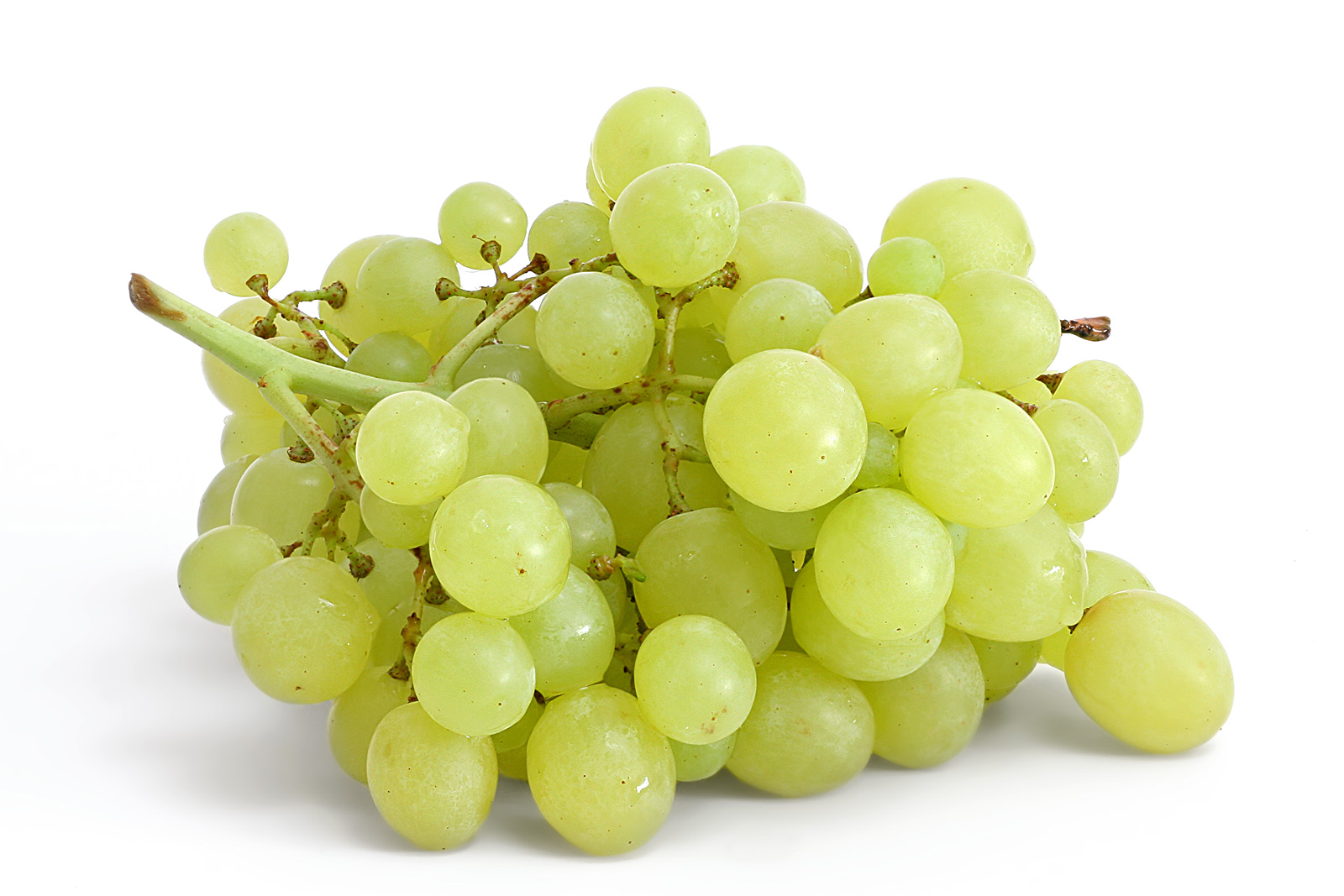
Why are grape seeds able to be dispersed by animals?

a)

It is light and has wing-like structure

b)

It is juicy and edible

c)

It has a fibrous husk that makes it float

d)

It has dry pods that split open

127.

What adaptation is represented by the image?

a)

Dormancy

b)

Camouflage

c)

Hibernation

d)

Seed Dispersal

128.

Storage area of a cell

a)

Endoplasmic Reticulum

b)

Cell Membrane

c)

Cytoplasm

d)

Mitochondria

e)

Vacuole

129.

This organelle is LARGER in plant cells than animal cells. It stores food, water and waste.

a)

nucleus

b)

cell membrane

c)

cell wall

d)

vacuole

130.
Plant cells store larger amounts of water than animal cells in order to provide more structure and support to the plant by pushing the plant cell outward. Which organelle is responsible for storing water, food, and waste in a plant cell?
a)
mitochondria
b)
nucleus
c)
vacuole
d)
cell wall
131.

What is the purpose of Mitosis?

a)

Growth of an organism and Repair of damaged tissue

b)

To help the body get rid of extra cells

c)

To increase the amount of classwork you have to do

d)

To get rid of the nucleus

132.

A jelly-like fluid that lls all the empty space in the cell, giving it shape and keeping everything in place.

a)

chromatin

b)

cytoplasm

c)

nucleus

d)

nucleoplasm

133.

In PLANT cells, which part is the rigid outer layer that supports and protects the cell?

a)

cell membrane

b)

cell wall

c)

chloroplast

d)

nucleus

134.

Some advantages of sexual reproduction include: (select all that apply)

a)

genetic variation

b)

improves chances of adapting to the environment

c)

helps species survive catastrophes

d)

it doesn't take as much energy as asexual reproduction

135.

What are some disadvantages to sexual reproduction? (select all that apply)

a)

it takes a lot of energy to find a mate

b)

you don't need another mate

c)

it requires a male and a female

d)

more genetic errors can occur

136.

What are some advantages of asexual reproduction are: (select all that apply)

a)

it only requires one organism

b)

it takes less energy than sexual reproduction

c)

offspring are already well-adapted for the environment

d)

there is a lot of genetic variety

137.
In mitosis, the two resulting cells are
a)
different from the starting cell and identical to each other.
b)
different from the starting cell and different from each other.
c)
identical to the starting cell and different from each other.
d)
identical to the starting cell and identical to each other.
138.
Why do we need meiosis?
a)
To double the number of chromosomes going into sex cells
b)
To halve the number of chromosomes going into sex cells
c)
To triple the number of chromosomes going into sex cells
d)
To not change the number of chromosomes going into sex cells
139.

Meiosis turns a single parent cell into _______ new daughter cells

a)

0

b)

1

c)

2

d)

4

140.

Mitosis turns a single parent cell into ____ new cells

a)

0

b)

1

c)

2

d)

4

141.

The primary function of meiosis is _______

a)

growth and repair

b)

to create genetic variety

142.

The primary function of mitosis is _______

a)

to create genetic variety

b)

growth and repair of cells

143.

Mitosis creates daughter cells which are genetically identical to the parent cell

a)

True

b)

False

144.

Meiosis creates daughter cells which are genetically identical to the parent

a)

True

b)

False

145.
Mark is heterozygous. If B is for brown hair, and b is for blonde hair, what is Mark's genotype?
a)
BB
b)
bb
c)
Bb
d)
bB
146.
Mark is heterozygous. If B is for brown hair, and b is for blonde hair, what is Mark's phenotype?
a)
Brown Hair
b)
Blonde Hair
c)
Brown and Blonde Hair
d)
Black Hair
147.

The trait that will be expressed only if two copies of the allele are present.

a)

recessive

b)

dominant

c)

co-dominant

148.

The trait that will always be expressed if one copy of an allele is present.

a)

recessive

b)

dominant

c)

co-dominant

149.
Look at the picture. The probability that a child will inherit the recessive trait is
a)
25%
b)
50%
c)
75%
d)
100%
150.
Look at the picture. This punnett square contains a hybrid organism.
a)
True
b)
False
151.

B = brown fur b = white fur

In the punnett square, what is the probability for white fur?

a)

0%

b)

25%

c)

50%

d)

75%

152.

In plants, tall (T) is dominant to short (t). Perform the following cross: Tt x Tt. What is the probability of producing a short plant?

a)

0%

b)

25%

c)

50%

d)

75%

153.
Two heterozygous white(brown fur is recessive) rabbits are crossed. What is the phenotype of the offspring?
a)
75% white; 25% brown
b)
25% white; 75 % brown
154.
Two heterozygous red flowers (white flowers are recessive) are crossed. What is the genotype of the offspring?
a)
75% homozygous dominant; 25% heterozygous
b)
50% homozygous dominant; 50% heterozygous
c)
25% homozygous dominant; 25% homozygous recessive; 50% heterozygous
155.
Two heterozygous red flowers (white flowers are recessive) are crossed. What is the phenotype of the offspring?
a)
50% red; 50% white
b)
75% white; 25% red
c)
25% red; 25% pink; 50% white
d)
75% red; 25% white
156.

An inherited trait that helps those organisms that have it to survive

a)

niche

b)

structure

c)

characteristic

d)

adaptation

157.
Which feature helps an animal hide from other animals?
a)
looking like a dangerous animal
b)
being the same color as the place it lives (camoflauge)
c)
having sharp claws or a strong shel
d)
having only a few young and caring for them
158.
The ears of this fox are an example of...
a)
A behavioral adaptation
b)
Poor breeding
c)
A physical adaptation
d)
Plastic surgery gone horribly wrong
159.
Why Do aniamals Adapt?
a)
To make their life better
b)
To Survive in their envorment.
c)
To make people happy
d)
ALL of the above
160.

A wolf cub comes too close to a skunk and gets a strong chemical sprayed in its face. Why does the skunk spray the wolf?

a)

The skunk is trying to attract a mate

b)

the skunk is using an inherited defense behavior

c)

The skunk is doing what it learned from its parents

d)

The skunk is learning to spray by trial and error

161.

When the temperature increases, the pressure ____.

a)

Decreases

b)

Stays the Same

c)

Increases

d)

Need more information

162.
At higher temperatures
a)
particles in an object have less energy
b)
particles in an object move faster
c)
a gas contracts
163.
What will happen to the volume of a gas under constant temperature if the pressure increases?
a)
Increase
b)
Decrease
c)
Nothing
d)
Explosion!
164.
When the temperature of a gas at a constant volume is increased, the pressure of the gas
a)
increases
b)
decreases 
c)
stays the same
d)
it will vary
165.

What can affect state of matter?

a)

both temperature and pressure

b)

only temperature, not pressure

c)

only pressure, not temperature

166.

Mercury is a liquid at room temperature. If I wanted to turn Mercury into a SOLID, without changing temperature....what could I do

a)

ask it nicely

b)

increase pressure

c)

decrease pressure

167.
When the temperature of matter increases the particles...
a)
speed up and move closer
b)
speed up and move farther apart
c)
slow down and move closer together
d)
slow down and move farther apart
168.
Where does cellular respiration take place?
a)
Mitochondria
b)
Chloroplast
c)
Stomata
d)
Leaf
169.
Where within the cell does photosynthesis take place?
a)
the cytoplasm
b)
the chloroplasts
c)
the mitochondria
d)
the nucleus
170.

Which type of cell uses cellular respiration?

a)

Plant cells

b)

Animal cells

c)

Both Animals and Plants

171.

Cellular respiration occurs in the __________ of Eukaryotic cells.

a)

chloroplast

b)

nucleus

c)

ribosomes

d)

mitochondria

172.

The process by which plants and some other organisms capture the energy in sunlight and use it to make food is called __________.

a)

Photosynthesis

b)

Cellular Respiration

c)

ATP Synthesis

d)

Photorespiration

173.

The reactants of photosynthesis are the __________ of cellular respiration.

a)

raw materials

b)

products

c)

energy

d)

Inputs

174.
In Meiosis if the parent cells has 40 chromosomes, then how many will the daughter cells have 
a)
40
b)
10
c)
20
d)
18
175.
A cat has a total of 38 chromosomes in its body cells.  How many in its gametes?
a)
38
b)
19
c)
76
d)
10
176.

If an organism has 24 chromosomes in a body cell, how many will each daughter cell have at the end of meiosis?

a)

6

b)

12

c)

23

d)

24

177.

If an organism has 30 chromosomes in each body cell, how many will each daughter cell have after going through meiosis?

a)

10

b)

15

c)

30

d)

40

178.
If a body cell in a butterfly contains 24 chromosomes, a butterfly egg would contain
a)
3
b)
6
c)
12
d)
24
179.

Which process does the picture show and what type of cells are produced?

a)

mitosis, gametes

b)

mitosis, body cells

c)

meiosis, gametes

d)

meiosis, body cells

180.
Fruit fly body cells have 8 chromosomes. After mitosis, you would expect a resulting fruit fly daughter cell to have ...
a)
16 chromosomes.
b)
46 chromosomes.
c)
8 chromosomes.
d)
4 chromosomes.