
 Worksheets
Kinetic and Potential Energy
Total questions: 17
Worksheet time: 14mins
What is potential energy?
The energy an object has due to its atomic structure.
The energy an object has due to its chemical composition.
The energy an object has due to its motion.
The energy an object has due to its position or condition.
What is kinetic energy?
The energy an object has due to its position or condition
The energy an object has due to its motion
The energy an object has due to its chemical composition
The energy an object has due to its atomic structure
When does an object have no kinetic energy?
When it's at rest.
When it's moving very slowly.
When the only force that's acting on it is gravity.
When it has no electrical charge.
When does a yo-yo have the most potential energy?
When it's at its highest point.
When it's at its lowest point.
When it's moving between its highest and lowest points.
When it's moving at its top speed.
When is potential energy transformed into kinetic energy?
When an object at rest is lifted to a higher elevation.
When an object at rest remains at rest.
When an object at rest is put into motion.
When an object in motion is stopped and put at rest.
Which is the best synonym for potential energy?
Stored energy
Energy of motion
Energy due to gravity
Mechanical energy
Why do objects at high elevations have more potential energy than objects at low elevations?
Because the thinner air at higher elevations means objects have a greater potential to move very fast
Because objects at high elevations are closer to the sun, which is the source of all energy on earth
Because objects at high elevations tend to move slower than objects at low elevations
Because gravity gives objects at high elevations the potential to fall much further
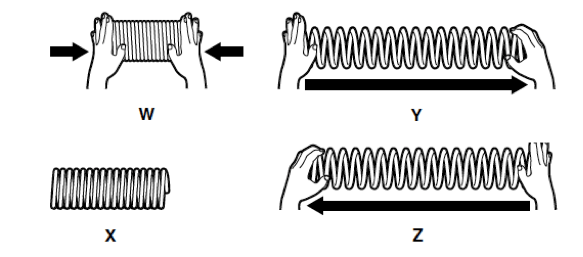
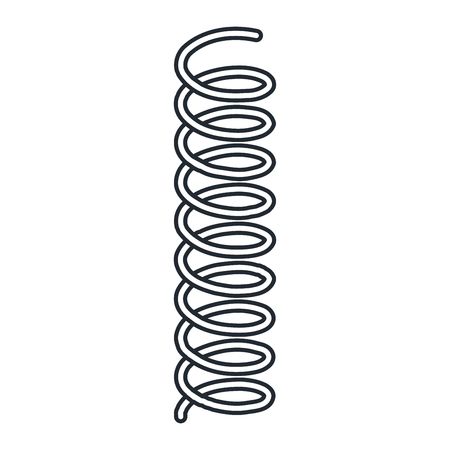
Elastic potential energy is energy stored in an object, such as a spring, due to the object being stretched or compressed. In which position is it most likely that the spring has lost its elastic potential energy?
W
Y
X
Z
Energy stored because of gravity is called:
Gravitational Potential Energy
Kinetic Energy
Mechanical Advantage
Chemical Energy
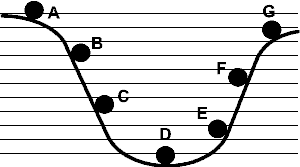
At which point does the ball has the greatest gravitational potential energy (GPE)?
A
G
D
C
G
Which would have the LEAST gravitational potential energy (GPE)?
A ball sitting on the ground
Moon viewed from the Earth
An airplane flying 30,000 feet above the ground
A rock sitting on top of Mt. Everest
How could you increase the gravitational potential energy of an object without changing its mass and gravity?
Make the object larger
Lower the object towards the ground
Raise the object farther off the ground
Allow the object to roll on the ground
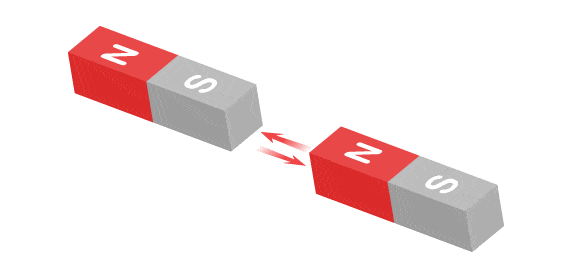
Which picture is NOT an example of Chemical PE?
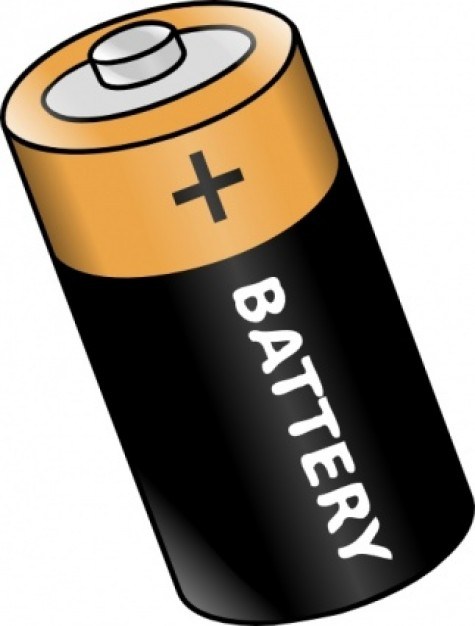


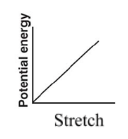
What potential energy is this graph representing?
Electric
Elastic
Magnetic
Gravitational
Which piece of evidence BEST represents Chemical PE being released?
a rubber band flung a far distance
an apple falling from a tree
2 magnets repelling
water temperature increasing

