wayground logo

Free Printable Worksheets

NEW

Font size

S
M
L
XL
Worksheets

SUPER 2022 Biodiversity Midterm Quizizz

Total questions: 40

Worksheet time: 27mins

Name
Class
Date
1.
Cattle egrets forage (feed) in fields among cattle. The egret gets easy access to flying insects stirred up by the cattle, and the cattle don't care if they are there or not.
a)
mutualism
b)
commensalism
c)
competition
d)
parasitism
2.
A relationship between two organisms in which one organism benefits and the other is unharmed...
a)
Mutualism 
b)
Competition
c)
Parasitsm 
d)
Commensalism 
3.

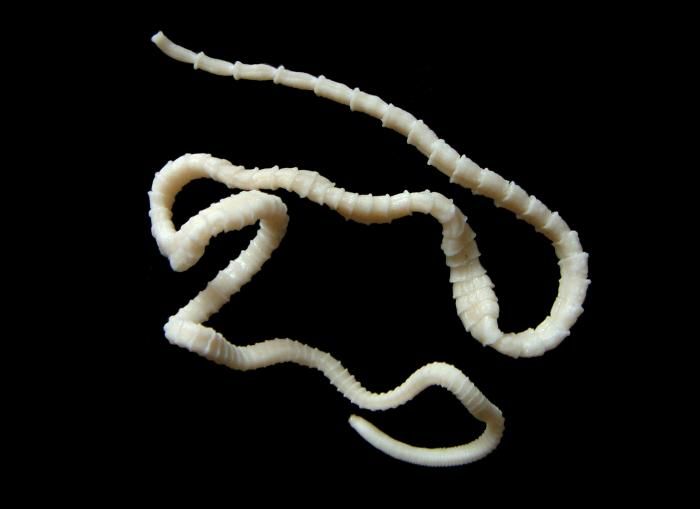
A tapeworm lives in the intestine of a cat absorbing nutrients through its skin. A tapeworm and a cat have this type of relationship.

a)

mutualism

b)

parasitism

c)

commensalism

d)

competition

4.
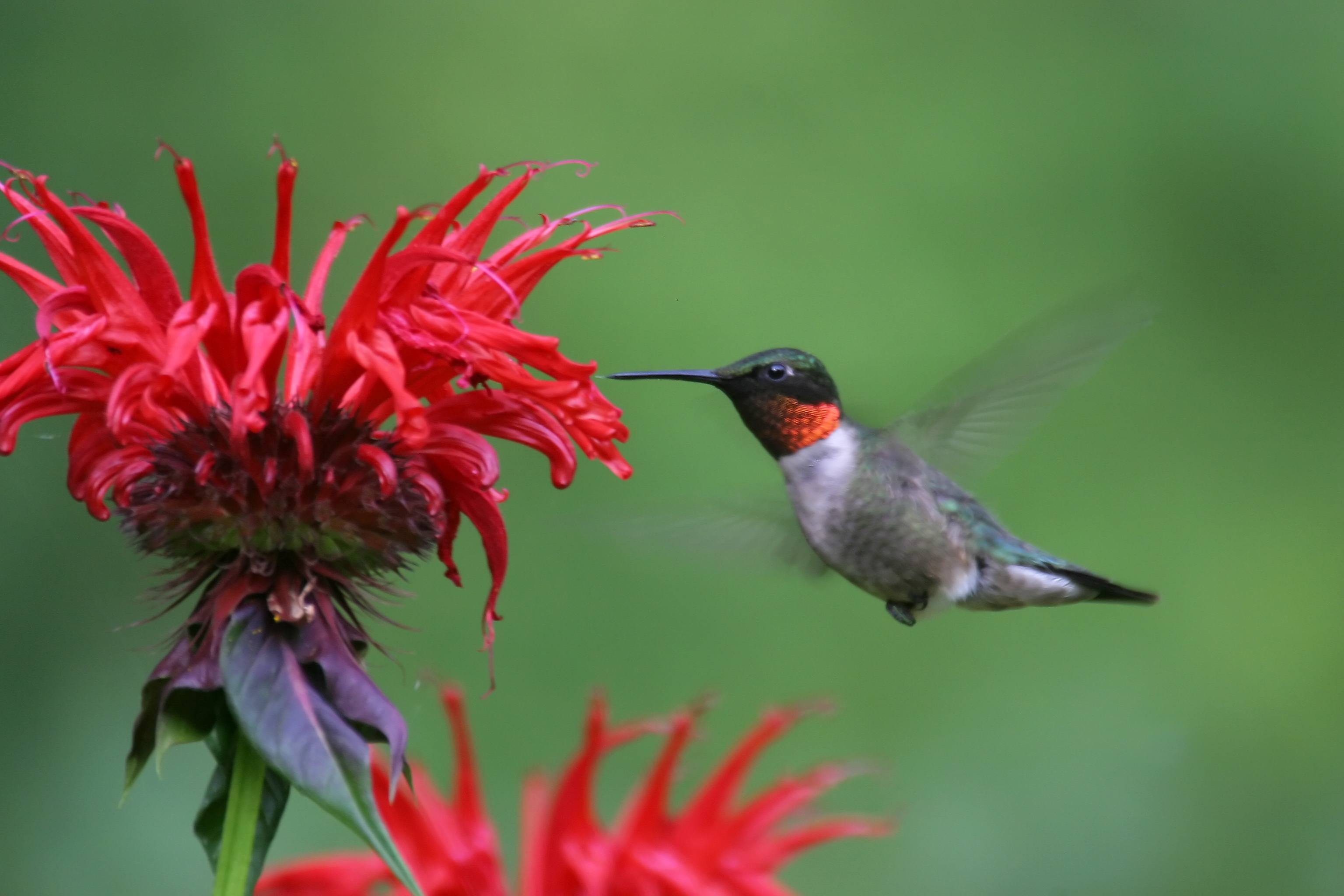
What type of symbiosis?  Hummingbirds feed on nectar from flowers.  The flowers are pollinated by hummingbirds as they move from flower to flower.
a)
commensalism
b)
mutualism
c)
parasitism
d)
predation
5.
A relationship between two organisms in which both organisms benefit. 
a)
Mutualism 
b)
Competition
c)
Parasitsm 
d)
Commensalism 
6.
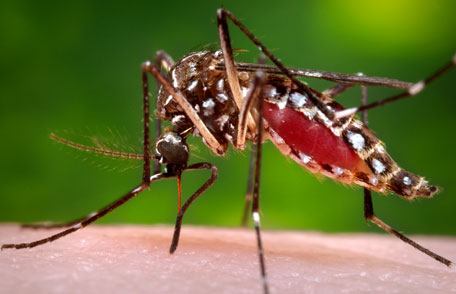
When a mosquito bites you, you are the __________ and the mosquito is the  ____________.
a)
host, hostess
b)
parasite, host
c)
host, parasite
d)
prey, predator
7.

Producers are:

a)

animals

b)

rocks

c)

plants

8.

Plants are called producers because they can produce their own:

a)

music

b)

food

c)

air

9.

Animals that eat only plants are called:

a)

herbivores

b)

omnivores

c)

carnivores

10.

Animals that eat only meat are called:

a)

herbivores

b)

carnivores

c)

omnivores

11.

Animals that eat both plants and animals are called:

a)

herbivores

b)

carnivores

c)

omnivores

12.

A food chain is:

a)

an animal that eats only plants.

b)

a diagram that shows how energy moves from one organism to another. (Grass>Mouse>Owl)

c)

An animal that is hunted and eaten by another animal.

13.

A living thing that breaks down dead plants and animals - such as, fungi, worms, bacteria, is:

a)

decomposer

b)

food web

c)

omnivore

14.

A system of many food chains that interact with each other:

a)

predator

b)

consumer

c)

food web

15.

An animal that hunts and eats other animals:

a)

producer

b)

plants

c)

predator

16.

A living thing that needs to eat other living things for food:

a)

consumer

b)

producer

c)

desk chair

17.

A living thing:

a)

organism

b)

rock

c)

weather

18.

An animal that is hunted and eaten by another animal:

a)

predator

b)

prey

c)

scavenger

19.
Multiple organisms of the same species describes a
a)
organism
b)
population
c)
community
d)
ecosystem
20.
What do ecosystems have that the other three levels of organization do not have?
a)
living things
b)
biotic factors
c)
abiotic factors
d)
organisms
21.
Which level of organization is more complex than a population and less complex than an ecosystem?
a)
organism
b)
population
c)
community
d)
ecosystem
22.
which is the correct order of the levels of organization from simple to complex?
a)
organism, population, community, ecosystem
b)
ecosystem, community, population, organism
23.
which is another word for an organism?
a)
abiotic factor
b)
biotic factor
c)
nonliving thing
24.

Is wind a biotic or abiotic factor?

a)

biotic

b)

abiotic

25.

Is soil a biotic or abiotic factor?

a)

biotic

b)

abiotic

26.

Is water a biotic or abiotic factor?

a)

biotic

b)

abiotic

27.

Is competition within a species a biotic or abiotic factor?

a)

biotic

b)

abiotic

28.

Is symbiosis a biotic or abiotic factor?

a)

biotic

b)

abiotic

29.

Are producers biotic or abiotic factors?

a)

biotic

b)

abiotic

30.
What is this biome?
a)
Arctic Tundra
b)
Desert
31.
What is this biome?
a)
Desert
b)
Arctic Tundra
c)
Tropical Rainforest
32.
What is this biome?
a)
Desert
b)
Arctic Tundra
33.

This biome has very little rainfall, also extremely cold temperatures for most of the year, and frozen soil makes ponds form.

a)

Deciduous forest

b)

Tundra

c)

rain forest

d)

Grassland

34.

To change an ecosystem

a)

Ecosystem

b)

Habitat

c)

Disrupt

d)

Adapt

35.
What is a consumer?
a)
An organism that makes it's own food
b)
An organisms that eats other organisms for energy
c)
An organism that breaks down dead organisms
36.

What is this a picture of?

a)

food chain

b)

food web

c)

ecosystem

d)

a pond

37.
Barn owls hunt shrews. In this example what is a barn owl?
a)
Herbivore/Predator
b)
Carnivore/Prey
c)
Carnivore/Predator
38.
Use the diagram answer the question.
What is a fitting description for this diagram?
a)
A Food Chain
b)
An Ecosystem
c)
A Food Web
d)
Biotic and Abiotic Factors
39.

Can Disruptions to the physical or biological components can impact organism population? ​

a)

Yes it can

b)

No it cant

40.

The removal of forests to make land available for other uses

a)

deforestation

b)

population shift

c)

extinction

d)

ecosystem