
 Worksheets
ĐỀ 9/16-ÔN VÀO 10 -LIN
Total questions: 44
Worksheet time: 22mins
He should go to the ________ because he has a toothache.
A. dentist
B. nurse
C. teacher
D. doctor
We want to have a good time ____ Hanoi.
A. at
B. on
C. for
D. in
The children like ____ karate in the school club.
doing
playing
working
My friends usually play chess _____ their free time.
on
in
at
Mark the letter A, B, C, or D on your answer sheet to indicate the word whose underlined part differs from the other three in pronunciation in each of the following questions.
Question 1. A. better B. elegant C. speciality D.congested
A. better
B. elegant
C. speciality
D.congested
Mark the letter A, B, C, or D on your answer sheet to indicate the word whose underlined part differs from the other three in pronunciation in each of the following questions.
Question 2.
A. ahead B. hospital C. hour D. home
A. ahead
B. hospita
C. hour
D. home
Mark the letter A, B, C, or D on your answer sheet to indicate the word that differs from the other three in the position of primary stress in each of the following questions.
Question 3. A. address B. allow C. answer D. invite
A. address
B. allow
C. answer
D. invite
Mark the letter A, B, C, or D on your answer sheet to indicate the word that differs from the other three in the position of primary stress in each of the following questions.
Question 4. A. wonderful B. permanent C. attractive D. important
A. connection
B. permanent
C. attractive
D. important
Mark the letter A, B, C, or D on your answer sheet to indicate the correct answer to each of the following questions
Question 5. Whenever I visit a new place, I use _____ to get directions.
A. trip itinerary B. guided tour C. package holiday D. Google Maps
A. trip itinerary
B. guided tour
C. package holiday
D. Google Maps
Question 6. The _____ new restaurant had a unique atmosphere, with dim lighting and trendy decor, making it the perfect spot for a romantic dinner.
A. stylish B. style C. styling D. stylistic
A. stylish
B. style
C. styling
D. stylistic
Question 7. She _____ Italian when she was living in Rome.
A. picked out B. picked on C. picked up D. picked off
A. picked out
B. picked on
C. picked up
D. picked off
Question 8. Ecotourism helps people learn how to _____ the environment while traveling.
A. protect B. forget C. damage D. make
A. protect
B. forget
C. damage
D. make
Question 9. His sister _____ a pink dress on her 18th birthday yesterday.
A. wears B. wear C. wearing D. wore
A. wears
B. wear
C. wearing
D. wore
Question 10: If she visits the new community center tomorrow, she _____ more about the upcoming events.
A. learned B. learning C. learns D. will learn
A. learned
B. learning
C. learns
D. will learn
Question 11. Sophia wishes her dream house _____ a library that is filled with her favorite books.
A. have had B. is having C. had D. can have
A. have had
B. is having
C. had
D. can have
Question 12. Running every day is _____ than running once a week for keeping fit.
A. better B. good C. best D. as good
A. better
B. good
C. best
D. as good
Question 13. You _____ swim in this river. It looks dangerous, the water is deep and the currents are strong, too.
A. can B. should C. can’t D. may
A. can
B. should
C. can’t
D. may
Question 14. Barry loves running, _____ he is also a member of our school's running club.
A. or B. and C. but D. if
A. or
B. and
C. but
D. if
Question 15. We are you studying _____ English because we want to pass the exam.
A. a B. the C. an D. Ø
A. a
B. the
C. an
D. Ø
Question 16. I enjoy observing the animals in the national park from a distance to avoid _____ them.
A. disturb B. disturbing C. collecting D. collect
A. disturb
B. disturbing
C. collecting
D. collect
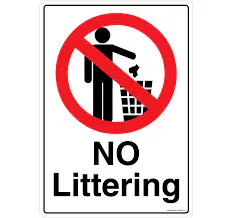
Question 17. What does the sign tell us to do?
A. You should throw trash anywhere.
B. Littering is encouraged.
C. It’s okay to leave trash behind.
D. Do not throw trash on the ground
A. You should throw trash anywhere.
B. Littering is encouraged.
C. It’s okay to leave trash behind.
D. Do not throw trash on the ground

What does this notice say?
A. Don’t queue here if you paid for your ticket already.
B. Don’t pay for your ticket because it is free.
C. Go to the desk in the corner to pay for your ticket.
D. Pay for your ticket at the desk in the corner.
Question 19. Amy and Lisa are talking about their holiday.
- Amy: "Shall we visit the zoo tomorrow, Lisa?"
- Lisa:"_______"
A. Yes, we do. B. Good job!
C. That sounds exciting! D. I don't think so.
A. Yes, we do.
B. Good job!
C. That sounds exciting!
D. I don't think so.
Question 20.
a. Are you planning to visit any other cities?
b. How long will you stay there?
c. Yes, I'll be in Kyoto next week.
d. I'll stay for a few days.
A. a-c-b-d B. b-d-c-a C. a-b-c-d D. d-a-c-b
A. a-c-b-d
B. b-d-c-a
C. a-b-c-d
D. d-a-c-b
Some people find it really difficult to learn English, and here are some of the reasons. Firstly, English has one of the biggest vocabularies (21) __________ all languages. Therefore, it is very hard for English learners to remember all the words and phrases as well as use them correctly in different contexts. Secondly, English grammar is quite complex. For example, there are twelve basic (22) __________ in English. This makes learners confused when they have to use the tenses correctly in different sentences. Other grammatical points, such as prepositions, reported speech, and the passive voice are not any less challenging. Thirdly, (23) __________ learners find English pronunciation very confusing. Words (24) __________ have the same combination of letters may be pronounced differently. For instance, the 'ou' in 'rough' is not pronounced the same as that in 'through’, ‘enough’ and so on. Another problem is sentence stress. Stress we put on different words may lead to the difference in meaning. In general, English vocabulary, grammar, (25) __________ pronunciation may make learning it not an easy task.
Question 21: A. of B. on C. in D. at
A. of
B. on
C. in
D. at
Some people find it really difficult to learn English, and here are some of the reasons. Firstly, English has one of the biggest vocabularies (21) __________ all languages. Therefore, it is very hard for English learners to remember all the words and phrases as well as use them correctly in different contexts. Secondly, English grammar is quite complex. For example, there are twelve basic (22) __________ in English. This makes learners confused when they have to use the tenses correctly in different sentences. Other grammatical points, such as prepositions, reported speech, and the passive voice are not any less challenging. Thirdly, (23) __________ learners find English pronunciation very confusing. Words (24) __________ have the same combination of letters may be pronounced differently. For instance, the 'ou' in 'rough' is not pronounced the same as that in 'through’, ‘enough’ and so on. Another problem is sentence stress. Stress we put on different words may lead to the difference in meaning. In general, English vocabulary, grammar, (25) __________ pronunciation may make learning it not an easy task.
Question 22: A. phrases B. words C. stresses D. tenses
A. phrases
B. words
C. stresses
D. tenses
Some people find it really difficult to learn English, and here are some of the reasons. Firstly, English has one of the biggest vocabularies (21) __________ all languages. Therefore, it is very hard for English learners to remember all the words and phrases as well as use them correctly in different contexts. Secondly, English grammar is quite complex. For example, there are twelve basic (22) __________ in English. This makes learners confused when they have to use the tenses correctly in different sentences. Other grammatical points, such as prepositions, reported speech, and the passive voice are not any less challenging. Thirdly, (23) __________ learners find English pronunciation very confusing. Words (24) __________ have the same combination of letters may be pronounced differently. For instance, the 'ou' in 'rough' is not pronounced the same as that in 'through’, ‘enough’ and so on. Another problem is sentence stress. Stress we put on different words may lead to the difference in meaning. In general, English vocabulary, grammar, (25) __________ pronunciation may make learning it not an easy task.
Question 23: A. less B. a lot of C. little D. a little
A. less
B. a lot of
C. little
D. a little
Some people find it really difficult to learn English, and here are some of the reasons. Firstly, English has one of the biggest vocabularies (21) __________ all languages. Therefore, it is very hard for English learners to remember all the words and phrases as well as use them correctly in different contexts. Secondly, English grammar is quite complex. For example, there are twelve basic (22) __________ in English. This makes learners confused when they have to use the tenses correctly in different sentences. Other grammatical points, such as prepositions, reported speech, and the passive voice are not any less challenging. Thirdly, (23) __________ learners find English pronunciation very confusing. Words (24) __________ have the same combination of letters may be pronounced differently. For instance, the 'ou' in 'rough' is not pronounced the same as that in 'through’, ‘enough’ and so on. Another problem is sentence stress. Stress we put on different words may lead to the difference in meaning. In general, English vocabulary, grammar, (25) __________ pronunciation may make learning it not an easy task.
Question 24: A. which B. who C. where D. when
A. which
B. who
C. where
D. when
Some people find it really difficult to learn English, and here are some of the reasons. Firstly, English has one of the biggest vocabularies (21) __________ all languages. Therefore, it is very hard for English learners to remember all the words and phrases as well as use them correctly in different contexts. Secondly, English grammar is quite complex. For example, there are twelve basic (22) __________ in English. This makes learners confused when they have to use the tenses correctly in different sentences. Other grammatical points, such as prepositions, reported speech, and the passive voice are not any less challenging. Thirdly, (23) __________ learners find English pronunciation very confusing. Words (24) __________ have the same combination of letters may be pronounced differently. For instance, the 'ou' in 'rough' is not pronounced the same as that in 'through’, ‘enough’ and so on. Another problem is sentence stress. Stress we put on different words may lead to the difference in meaning. In general, English vocabulary, grammar, (25) __________ pronunciation may make learning it not an easy task.
Question 25: A. but B. so C. and D. or
A. but
B. so
C. and
D. or
Mount Everest (Mt. Everest) is the highest mountain in the world, standing at an impressive 8,848 metres high. It is located in the Himalayas on the border between Nepal and Tibet. Mt. Everest was first climbed successfully in 1953 by Edmund Hillary and Tenzing Norgay. Every year, a lot of people attempt to climb Mt. Everest.
It is very dangerous to climb Mt. Everest due to its extreme weather conditions. The air is very thin and cold. Most people carry bottles of oxygen because they could die due to the lack of it at high altitudes. When the oxygen bottles are empty, people throw them on the ground. When strong winds rip their tents, people leave them behind as well. They do not have the energy to take the rubbish away, they only have enough energy to go down the mountain safely.
Rubbish is a terrible problem on Mount Everest. Since people first began to climb Mt. Everest, they left tons and tons of rubbish on the mountain. Several groups have climbed the mountain just to pick up the rubbish. If people plan to climb the mountain, they have to plan to take away their rubbish to protect Everest for future generations.
(Global Success 9 - Workbook, Unit 9)
Question 26. What does the word "they"(line 9) in paragraph 2 refer to?
A. The climbers B. The bottles of oxygen
C. The strong winds D. The tents
A. The climbers
B. The bottles of oxygen
C. The strong winds
D. The tents
Mount Everest (Mt. Everest) is the highest mountain in the world, standing at an impressive 8,848 metres high. It is located in the Himalayas on the border between Nepal and Tibet. Mt. Everest was first climbed successfully in 1953 by Edmund Hillary and Tenzing Norgay. Every year, a lot of people attempt to climb Mt. Everest.
It is very dangerous to climb Mt. Everest due to its extreme weather conditions. The air is very thin and cold. Most people carry bottles of oxygen because they could die due to the lack of it at high altitudes. When the oxygen bottles are empty, people throw them on the ground. When strong winds rip their tents, people leave them behind as well. They do not have the energy to take the rubbish away, they only have enough energy to go down the mountain safely.
Rubbish is a terrible problem on Mount Everest. Since people first began to climb Mt. Everest, they left tons and tons of rubbish on the mountain. Several groups have climbed the mountain just to pick up the rubbish. If people plan to climb the mountain, they have to plan to take away their rubbish to protect Everest for future generations.
Question 27. Who were the first people to successfully climb Mount Everest?
A. Sir George Everest and Tenzing Norgay
B. Edmund Hillary and Tenzing Norgay
C. A group of environmentalists
D. Some unknown explorers
Mount Everest (Mt. Everest) is the highest mountain in the world, standing at an impressive 8,848 metres high. It is located in the Himalayas on the border between Nepal and Tibet. Mt. Everest was first climbed successfully in 1953 by Edmund Hillary and Tenzing Norgay. Every year, a lot of people attempt to climb Mt. Everest.
It is very dangerous to climb Mt. Everest due to its extreme weather conditions. The air is very thin and cold. Most people carry bottles of oxygen because they could die due to the lack of it at high altitudes. When the oxygen bottles are empty, people throw them on the ground. When strong winds rip their tents, people leave them behind as well. They do not have the energy to take the rubbish away, they only have enough energy to go down the mountain safely.
Rubbish is a terrible problem on Mount Everest. Since people first began to climb Mt. Everest, they left tons and tons of rubbish on the mountain. Several groups have climbed the mountain just to pick up the rubbish. If people plan to climb the mountain, they have to plan to take away their rubbish to protect Everest for future generations.
Question 28. Why do climbers carry bottles of oxygen?
A. Because it helps them climb faster
B. Because they could die without it
C. Because it is part of the climbing equipment
D. Because it makes them stronger
Mount Everest (Mt. Everest) is the highest mountain in the world, standing at an impressive 8,848 metres high. It is located in the Himalayas on the border between Nepal and Tibet. Mt. Everest was first climbed successfully in 1953 by Edmund Hillary and Tenzing Norgay. Every year, a lot of people attempt to climb Mt. Everest.
It is very dangerous to climb Mt. Everest due to its extreme weather conditions. The air is very thin and cold. Most people carry bottles of oxygen because they could die due to the lack of it at high altitudes. When the oxygen bottles are empty, people throw them on the ground. When strong winds rip their tents, people leave them behind as well. They do not have the energy to take the rubbish away, they only have enough energy to go down the mountain safely.
Rubbish is a terrible problem on Mount Everest. Since people first began to climb Mt. Everest, they left tons and tons of rubbish on the mountain. Several groups have climbed the mountain just to pick up the rubbish. If people plan to climb the mountain, they have to plan to take away their rubbish to protect Everest for future generations.
Question 29. What is the synonym of “climbed” in the passage?
A. Jumped B. Hiked C. Walked D. Ran
A. Jumped
B. Hiked
C. Walked
D. Ran
Mount Everest (Mt. Everest) is the highest mountain in the world, standing at an impressive 8,848 metres high. It is located in the Himalayas on the border between Nepal and Tibet. Mt. Everest was first climbed successfully in 1953 by Edmund Hillary and Tenzing Norgay. Every year, a lot of people attempt to climb Mt. Everest.
It is very dangerous to climb Mt. Everest due to its extreme weather conditions. The air is very thin and cold. Most people carry bottles of oxygen because they could die due to the lack of it at high altitudes. When the oxygen bottles are empty, people throw them on the ground. When strong winds rip their tents, people leave them behind as well. They do not have the energy to take the rubbish away, they only have enough energy to go down the mountain safely.
Rubbish is a terrible problem on Mount Everest. Since people first began to climb Mt. Everest, they left tons and tons of rubbish on the mountain. Several groups have climbed the mountain just to pick up the rubbish. If people plan to climb the mountain, they have to plan to take away their rubbish to protect Everest for future generations.
Question 30. Which of the following is NOT mentioned in the passage?
A. The exact number of people who have climbed Mount Everest
B. The dangers of climbing Mount Everest
C. The problem of rubbish on the mountain
D. The need for oxygen at high altitudes
A. The exact number of people who have climbed Mount Everest
B. The dangers of climbing Mount Everest
C. The problem of rubbish on the mountain
D. The need for oxygen at high altitudes
Mount Everest (Mt. Everest) is the highest mountain in the world, standing at an impressive 8,848 metres high. It is located in the Himalayas on the border between Nepal and Tibet. Mt. Everest was first climbed successfully in 1953 by Edmund Hillary and Tenzing Norgay. Every year, a lot of people attempt to climb Mt. Everest.
It is very dangerous to climb Mt. Everest due to its extreme weather conditions. The air is very thin and cold. Most people carry bottles of oxygen because they could die due to the lack of it at high altitudes. When the oxygen bottles are empty, people throw them on the ground. When strong winds rip their tents, people leave them behind as well. They do not have the energy to take the rubbish away, they only have enough energy to go down the mountain safely.
Rubbish is a terrible problem on Mount Everest. Since people first began to climb Mt. Everest, they left tons and tons of rubbish on the mountain. Several groups have climbed the mountain just to pick up the rubbish. If people plan to climb the mountain, they have to plan to take away their rubbish to protect Everest for future generations.
Question 31. What is the opposite of “empty” (line 7) in the passage?
A. Open B. Light C. Heavy D. Full
A. Open
B. Light
C. Heavy
D. Full
Mount Everest (Mt. Everest) is the highest mountain in the world, standing at an impressive 8,848 metres high. It is located in the Himalayas on the border between Nepal and Tibet. Mt. Everest was first climbed successfully in 1953 by Edmund Hillary and Tenzing Norgay. Every year, a lot of people attempt to climb Mt. Everest.
It is very dangerous to climb Mt. Everest due to its extreme weather conditions. The air is very thin and cold. Most people carry bottles of oxygen because they could die due to the lack of it at high altitudes. When the oxygen bottles are empty, people throw them on the ground. When strong winds rip their tents, people leave them behind as well. They do not have the energy to take the rubbish away, they only have enough energy to go down the mountain safely.
Rubbish is a terrible problem on Mount Everest. Since people first began to climb Mt. Everest, they left tons and tons of rubbish on the mountain. Several groups have climbed the mountain just to pick up the rubbish. If people plan to climb the mountain, they have to plan to take away their rubbish to protect Everest for future generations.
Question 32. What is the main purpose of the passage?
A. To describe the beauty of Mount Everest
B. To explain the dangers and environmental issues of climbing Mount Everest
C. To encourage people to climb Mount Everest
D. To tell the history of mountain climbing and environmental issues of Mount Everest
Mark the letter A, B, C, or D on your answer sheet to indicate the best sentence that can be arranged from the words given in the following questions.
Question33. - a/Stonehenge /attraction/Our/visit/itinerary/tourist/a/to/includes/famous/.
A. Our itinerary includes a visit to Stonehenge – a tourist famous attraction.
B. A visit to Stonehenge – Our itinerary includes a famous tourist attraction.
C. Our itinerary includes a visit to Stonehenge – a famous tourist attraction.
D. Our itinerary includes a famous tourist visit to Stonehenge – attraction .
A. Our itinerary includes a visit to Stonehenge – a tourist famous attraction.
B. A visit to Stonehenge – Our itinerary includes a famous tourist attraction.
C. Our itinerary includes a visit to Stonehenge – a famous tourist attraction.
D. Our itinerary includes a famous tourist visit to Stonehenge – attraction .
Mark the letter A, B, C, or D on your answer sheet to indicate the best sentence that can be arranged from the words given in the following questions.
Question34. my/playing/cakes/stadium/While/the/were/making,/sons/ were/soccer/my/ kitchen/ the/daughters/in/. /
A. While my daughters were making cakes in the stadium, my sons were playing soccer in the kitchen.
B. While my daughters were making cakes in the kitchen, my sons were playing soccer in the stadium .
C. While my daughters were playing cakes in the stadium, my sons were making soccer in the stadium.
D. My daughters were making cakes in the kitchen, While the my sons were playing soccer in stadium.
A. While my daughters were making cakes in the stadium, my sons were playing soccer in the kitchen.
B. While my daughters were making cakes in the kitchen, my sons were playing soccer in the stadium .
C. While my daughters were playing cakes in the stadium, my sons were making soccer in the stadium.
D. My daughters were making cakes in the kitchen, While the my sons were playing soccer in stadium.
Question 35. Mark the letter A, B, C, or D on your answer sheet to indicate the best arrangement of sentencesto make a meaningful text in the following question.
a. He was walking home from school when he saw a lost puppy on the street.
b. Tom decided to take the puppy home and take care of it.
c. The puppy looked scared and hungry.
d. After a few days, the puppy became healthy and playful.
A. b – c – d – a
B. a – c – d – b
C. d – a – b – c
D. a – c – b – d
Mark the letter A, B, C, or D on your answer sheet to indicate the sentence that is CLOSEST in meaning to each of the following questions.
Question 36. "Are you sure about the quality of the English courses ?"
A. I asked them did they were sure about the quality of those English courses.
B. I asked them if they were sure about the quality of those English courses.
C. I said them if they were sure about the quality of those English courses.
D I asked them if they were sure about of those English courses the quality.
A. I asked them did they were sure about the quality of those English courses.
B. I asked them if they were sure about the quality of those English courses.
C. I said them if they were sure about the quality of those English courses.
D I asked them if they were sure about of those English courses the quality.
Question 37. I know an English restaurant. The restaurant serves excellent fish and chips.
A. I know an English restaurant whose serves excellent fish and chips.
B. I know an English restaurant who serves excellent fish and chips.
C. Restaurant, which serves excellent fish and chips, I know an English restaurant
D. I know an English restaurant which serves excellent fish and chips.
A. I know an English restaurant whose serves excellent fish and chips.
B. I know an English restaurant who serves excellent fish and chips.
C. Restaurant, which serves excellent fish and chips, I know an English restaurant
D. I know an English restaurant which serves excellent fish and chips.
Question 38. Despite the heavy rain, they went to school on time.
A. Although they went to school on time, it was raining heavily.
B. Because it was raining heavily, they went to school on time."
C. Although it was raining heavily, they went to school on time.
D. When it was raining heavily,they went to school on time.
A. Although they went to school on time, it was raining heavily.
B. Because it was raining heavily, they went to school on time."
C. Although it was raining heavily, they went to school on time.
D. When it was raining heavily,they went to school on time.
Mark the letter A, B, C, or D on your answer sheet to indicate the sentence that is made from the given cues in each of the following questions.
Question 39. I / suggest / my daughter / drink / orange juice / every day.
A. I suggested that my daughter should drinks much orange juice every day.
B. I suggested that my daughter should drink more orange juice every day.
C. I suggested that my daughter could drink a lot of orange juice every day.
D. I suggested that my daughter should drink many orange juice every day.
A. I suggested that my daughter should drinks much orange juice every day.
B. I suggested that my daughter should drink more orange juice every day.
C. I suggested that my daughter could drink a lot of orange juice every day.
D. I suggested that my daughter should drink many orange juice every day.
Question 40. She / feel / top / world / when / she / win / competition.
A. She felt on top of the world when she won the competition.
B. She felt out of the top of the world when she won the competition.
C. She felt above top of world when she won the competition.
D. She felt in top of the world when she won the competition.
A. She felt on top of the world when she won the competition.
B. She felt out of the top of the world when she won the competition.
C. She felt above top of world when she won the competition.
D. She felt in top of the world when she won the competition.

